
The Hidden Costs That Make 'Cheap' Books Expensive
Shipping fees, poor condition, and wrong editions can erase your savings. Here's what to watch for when buying discounted books.
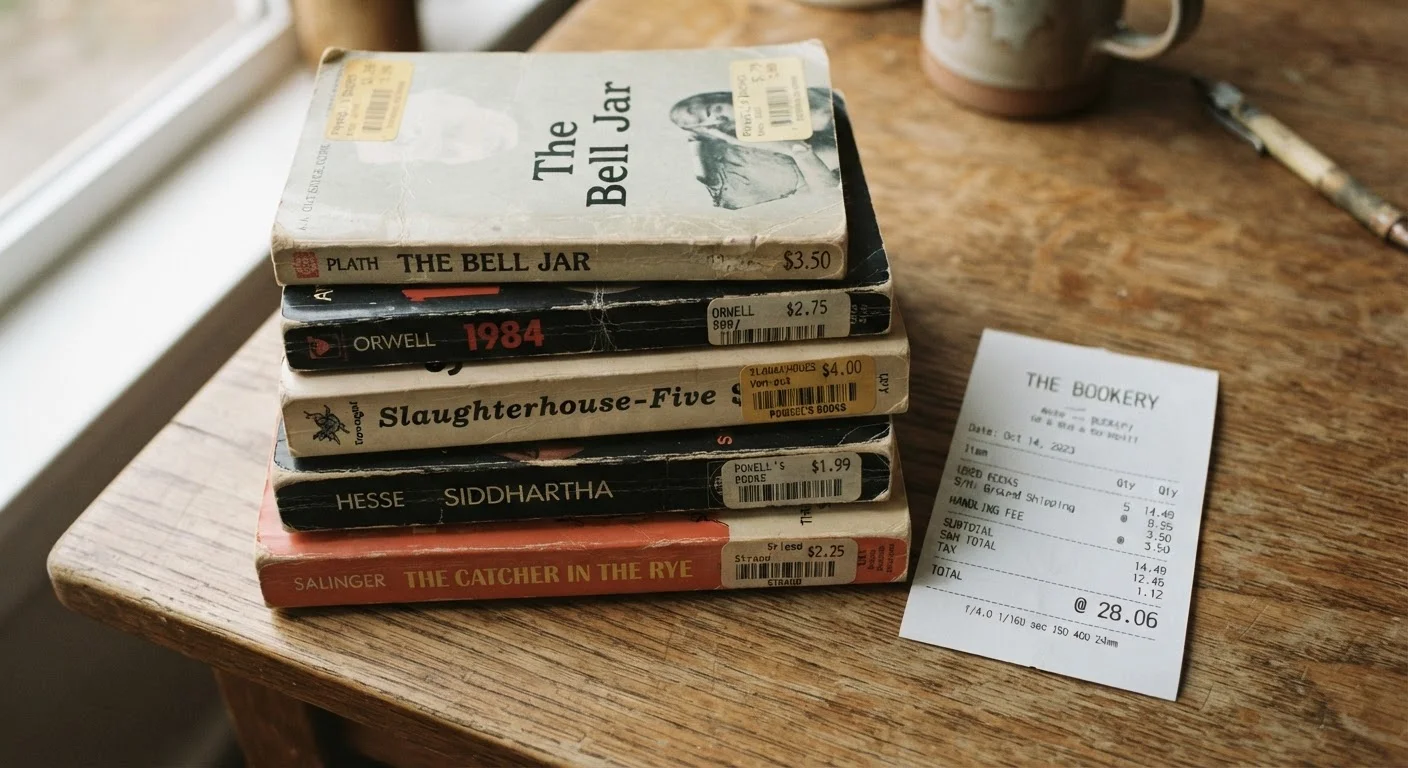
Photo: SaverSteals.com | Explore More. Shop Smarter. editorial
—— In This Article
Key Takeaways
- Shipping costs on used books can exceed the book's listed price, erasing any savings.
- Condition descriptions vary widely by seller — 'good' doesn't always mean readable.
- Wrong editions of textbooks and study guides can make a cheap copy nearly worthless.
- Platform fees and return policies vary significantly and affect your real cost.
- Buying locally or in bundles often produces better savings than single online purchases.
Why 'Cheap' Doesn't Always Mean Affordable
Finding a book listed at $1.99 feels like a win — until you add $4.99 shipping and realize you've paid more than the library's used book sale would have charged. This gap between sticker price and total cost is where most book-buying mistakes happen, and it affects shoppers across every channel, from online marketplaces to discount bins.
The good news is that these costs are predictable once you know what to look for. Paying full price for books is often avoidable, but so is the trap of thinking any discounted price is automatically a deal. The mistakes below account for the most common ways readers end up spending more than they expected — or getting less than they paid for.
Ignoring shipping costs when comparing book prices across sellers.
Why it happens: Marketplace listings display the item price prominently and bury shipping in a secondary line, making a $2 book feel cheaper than a $6 book with free shipping.
Trusting vague condition labels like 'good' or 'acceptable' without reading the seller's full description.
Why it happens: Condition grading is not standardized across sellers. One seller's 'good' may include heavy underlining, a cracked spine, or water damage that another seller would call 'poor.'
Buying the wrong edition of a textbook or revised reference work.
Why it happens: Publishers frequently release new editions with chapter reordering, updated problem sets, or revised content. An older edition listed at a fraction of the price looks identical on the surface.
Overlooking platform fees or non-refundable handling charges that inflate the real price.
Why it happens: Some marketplaces charge handling fees on top of listed shipping, or build seller fees into the item price in ways that aren't obvious at checkout.
Buying remainder or ex-library copies without understanding what that means for the book's condition.
Why it happens: Remainder books and ex-library copies are often sold at steep discounts, but they carry physical marks — remainder stamps, library labels, or spine stickers — that some buyers find unacceptable.
How to Actually Come Out Ahead
Avoiding these mistakes doesn't require elaborate research. A few consistent habits will protect most of your savings most of the time.
First, always calculate the total landed cost — item price plus shipping, minus any return risk — before committing. Second, for anything edition-sensitive (textbooks, study guides, books with updated content), verify the exact edition number against your requirement before purchasing. If you're buying used, cross-reference the seller's condition description with their return policy; a seller who doesn't accept returns on a book described as 'acceptable' is asking you to absorb all the risk.
$3–$6
Typical used book shipping cost per item
Standard media mail rates in the US generally fall in this range, meaning shipping can easily double the cost of a low-priced listing.
3–5x
Edition price difference for textbooks
Older editions of popular textbooks often sell for a fraction of the current edition's price, but using the wrong edition can have real academic consequences.
Buying locally sidesteps shipping entirely. Less obvious places to find deeply discounted books — including library sales, community swap events, and university surplus — often charge flat, low prices with no shipping involved. For online purchases, bundling multiple books from a single seller to share one shipping charge is one of the most straightforward ways to reduce per-book cost. And for format flexibility, it's worth comparing print and digital: ebook vs. print costs vary significantly depending on how frequently you read and whether you reread books. The format that looks cheaper upfront isn't always cheaper over time.
A channel-by-channel reference for finding cheap books can help you match your reading habits to the right source — and avoid paying hidden costs that the headline price never mentioned.

Books Editorial Team
Books Editorial Team is the collective byline for our editorial team and contributor network. Articles published under this byline or an editorial pen name are researched, written, and reviewed according to our editorial standards for clarity, consistency, and independence before publication.
View author profile