
New vs. Used Books: What You Actually Give Up at Each Price Point
Used books are cheaper, but condition varies widely. See how new and used copies compare on quality, availability, and total value.
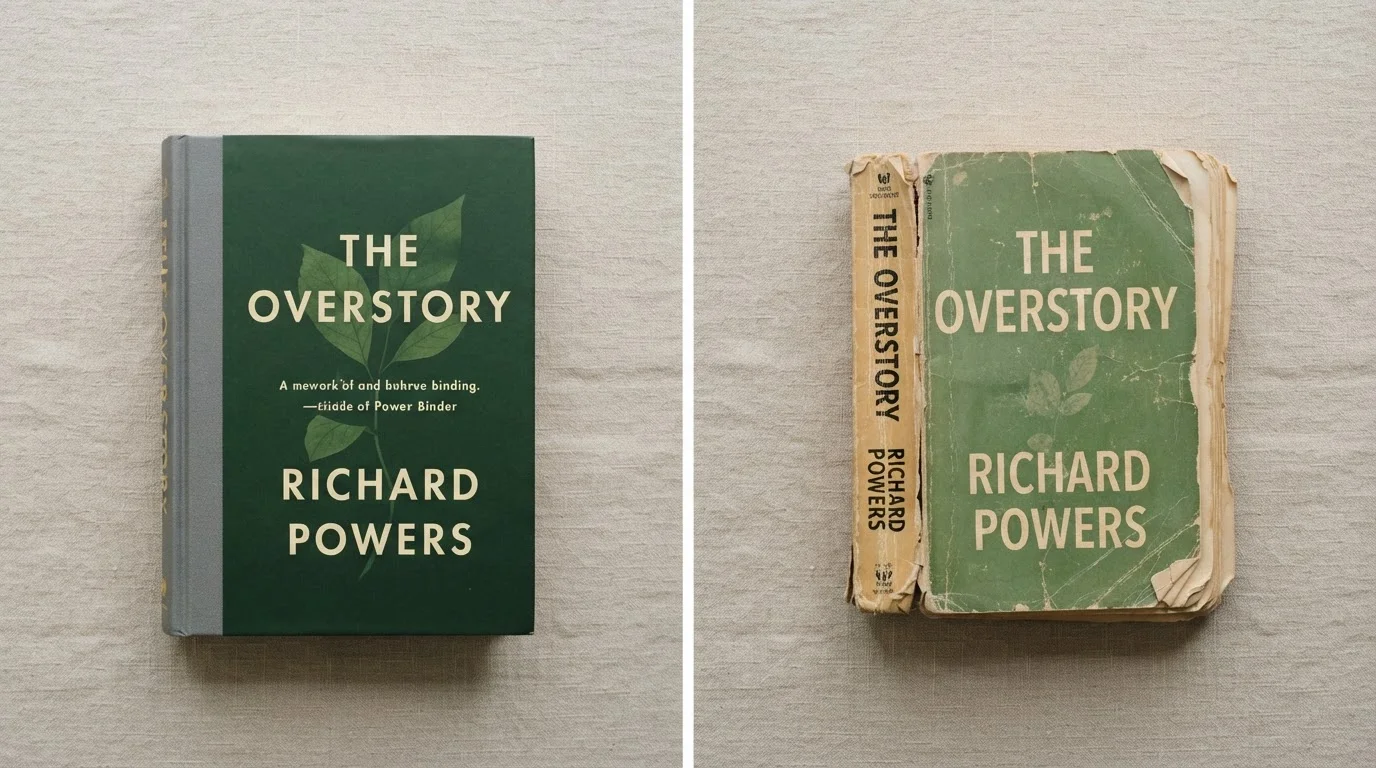
Photo: SaverSteals.com | Explore More. Shop Smarter. editorial
—— In This Article
Key Takeaways
- Used books can cost 50–90% less than new, but condition varies significantly by seller and listing.
- New books guarantee a specific edition and pristine condition, which matters for textbooks and gift purchases.
- Hidden costs like shipping and wrong editions can quietly erode used-book savings.
- Availability favors new books for recent releases; used copies grow more plentiful as titles age.
- Evaluating seller ratings and edition details before buying used reduces most of the real risk.
The Real Price Gap Between New and Used
The sticker-price difference between new and used books is real and often significant. A new trade paperback that retails for $18–$22 can frequently be found used for $4–$8, sometimes less. For hardcovers, the gap widens further. That math alone makes the used market appealing — but the full picture includes condition variance, edition mismatches, and shipping costs that don't always show up in the listing price.
If you're just starting to shop for cheap reads, the used market is one of the most reliable ways to stretch a book budget. The catch is that "used" covers an enormous range — from near-mint copies read once to heavily annotated texts with water damage. Unlike buying refurbished electronics (where grading standards are more consistent), book condition grading is largely self-reported by individual sellers.
| Criterion | New Books | Used Books |
|---|---|---|
| Typical price range | Full retail price | 50–90% below retail |
| Condition reliability | Consistent, pristine | Highly variable |
| Edition accuracy | Current edition guaranteed | Must verify ISBN carefully |
| Availability for new releases | Immediate | Limited, often pricier |
| Availability for older titles | May go out of print | Large supply, low prices |
| Suitable as a gift | Yes | Depends on condition |
| Shipping cost risk | Lower with major retailers | Can erode savings quickly |
For a closer look at what costs can quietly add up when buying discounted books, see The Hidden Costs That Make 'Cheap' Books Expensive.
What You Actually Give Up: Condition, Edition, and Availability
Condition is the most obvious trade-off. New books arrive in predictable shape. Used copies may have underlining, dog-eared pages, broken spines, or faded covers. For casual reading this often doesn't matter. For reference books, academic texts, or gifts, it frequently does. Requesting photos from sellers and checking their ratings carefully is the most effective way to manage this risk — something our used book condition checklist walks through in detail.
Edition accuracy is the hidden landmine, particularly for textbooks and technical guides. Publishers revise chapter structures, update problem sets, and repaginate frequently. A used copy of an older edition might cost $12 versus $90 new — but if it's the wrong edition for a course, that savings disappears along with your grade. Always verify the ISBN, not just the title.
Availability tilts toward new books for recent releases. In the first six to twelve months after publication, used copies are scarce and often priced only marginally below new. As a title ages, the used supply deepens and prices drop further. If you can wait, the economics of used buying improve substantially over time.
~85%
Potential savings on used vs. new textbooks
According to the Student Public Interest Research Groups, students can save substantially by sourcing used or older-edition textbooks rather than new copies.
6–12 months
Typical wait for healthy used-copy supply
Used book availability and pricing typically improves significantly in the months after a title's initial release as early buyers resell their copies.
One category worth understanding separately is remainder books — publisher overstock sold at steep markdowns. These are technically new copies, often with a small mark on the page edges, at prices that can rival the used market. See what remainder books are and why they're so cheap for a full explanation.
Where Format Changes the Equation
The new-vs-used comparison applies specifically to physical books. If your goal is simply the lowest cost per title, the format question — print versus digital — belongs in the same conversation. Library ebook lending through platforms like Libby, for instance, effectively costs nothing beyond a library card, making it a strong alternative to either new or used print purchases for many titles. See Ebook vs. Print: Which Format Saves More Over Time? for a side-by-side breakdown of long-term costs by reading habit.
For readers committed to physical books, the verdict comes down to how much condition uncertainty you're willing to accept and whether you need a guaranteed edition. Used wins clearly on price for flexible readers. New wins on reliability when precision matters. Neither is always the right answer — but knowing exactly what you're trading away at each price point makes the decision much more straightforward.

Books Editorial Team
Books Editorial Team is the collective byline for our editorial team and contributor network. Articles published under this byline or an editorial pen name are researched, written, and reviewed according to our editorial standards for clarity, consistency, and independence before publication.
View author profile