
Your First Long-Distance Drive: What to Expect and How to Prepare
Never driven more than a few hours at a stretch? This beginner-friendly guide walks you through planning, packing, and staying safe on your first big drive.
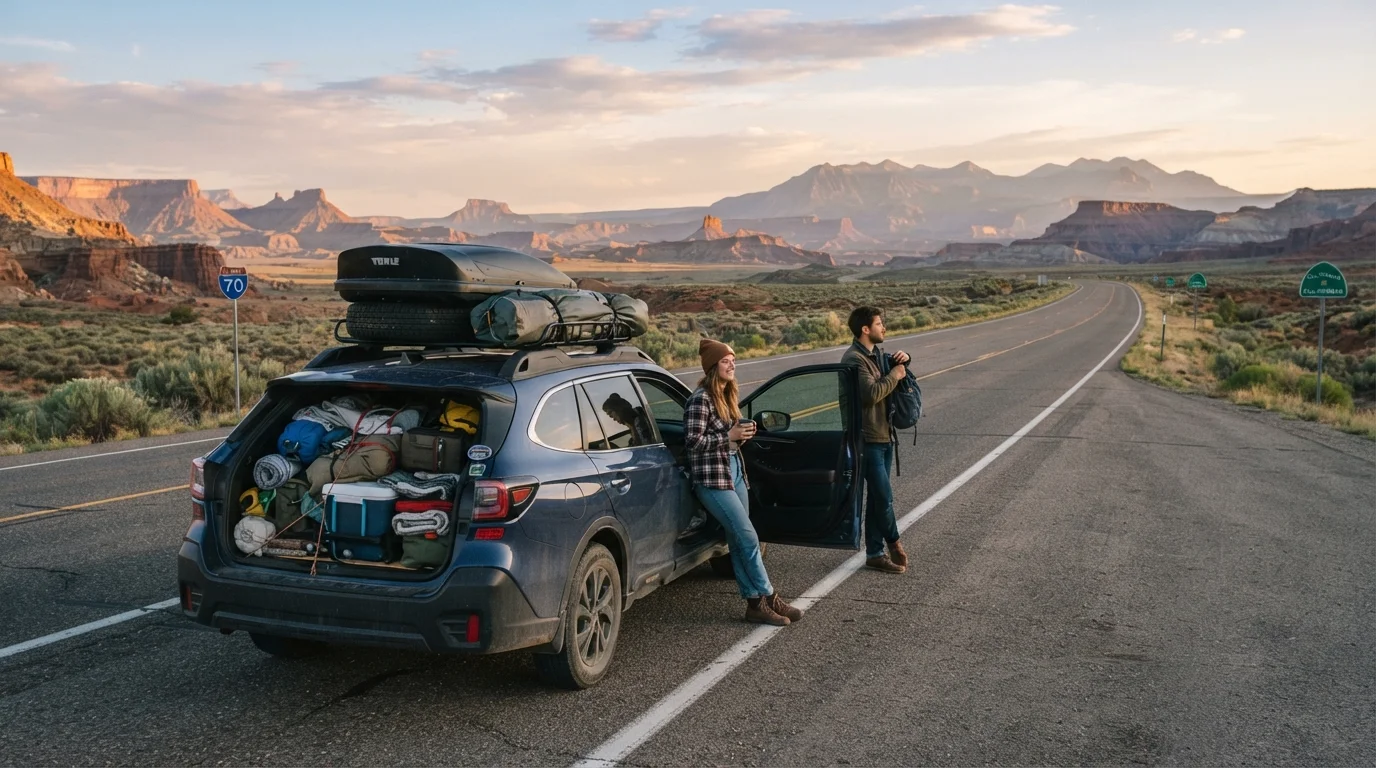
Photo: SaverSteals.com editorial
—— In This Article
Key Takeaways
- Plan rest stops every two hours or 100 miles to manage fatigue effectively.
- A basic vehicle check before departure can prevent many common roadside breakdowns.
- Downloading offline maps protects you when cellular coverage becomes unreliable.
- Pack an emergency kit, snacks, and water regardless of how short the drive seems.
- First-time long-distance drivers often underestimate total drive time — always build in buffer.
What Counts as a Long-Distance Drive
There's no universal threshold, but most drivers and safety organizations treat any drive of four or more hours — or roughly 200 to 300 miles — as long-distance territory. For someone who's only ever done short commutes or quick hour-long trips, even a three-hour stretch can introduce challenges you haven't faced before: fuel planning, fatigue management, navigating unfamiliar highways, and extended time with no easy exit.
The good news is that experience is the main barrier. The preparation is learnable, and most first-timers find the drive itself far less stressful than they anticipated — provided they planned ahead. Whether you're crossing a single state or driving coast to coast, the same core principles apply.
Dead reckoning
Estimating your position and route based on known starting point, speed, and direction — useful context if GPS fails in a remote area.
Driver fatigue
Mental and physical tiredness caused by extended driving, which slows reaction time and impairs judgment even when the driver doesn't feel sleepy.
Offline map
A map downloaded to your phone before a trip so it works without an internet connection — essential in rural areas with poor cell coverage.
Emergency roadside kit
A collection of basic supplies kept in your car — such as jumper cables, a flashlight, and reflective triangles — to handle common breakdown situations safely.
Following distance
The space maintained between your car and the vehicle ahead. A greater following distance gives you more time to react to sudden stops or hazards.
Planning Your Route Before You Leave
Route planning is the single highest-leverage thing you can do before a first long drive. Don't rely solely on real-time navigation — download an offline map through your preferred mapping app before you leave, so you're covered when cell service drops in rural stretches.
Mark rest stops, gas stations, and food options roughly every 100 miles along your intended route. On less-traveled highways, services can be sparse, so knowing in advance where you'll fuel up prevents stressful low-tank moments. Build in 15–20% extra time above the estimated drive time shown by your map app — traffic, construction, weather, and real-world stops all add up.
For a full walkthrough of route logic and overnight planning, see road trip planning from scratch. If you want a comprehensive end-to-end planning resource, road trip planning from start to finish covers budgeting, packing, and safety together.
Use a Two-Map Strategy
Load your route in a navigation app with live traffic, but also download the same route as an offline map before you leave. If cell service drops, the offline version takes over seamlessly. Some drivers also keep a physical road atlas in the back seat as a final backup on remote routes.
Getting Your Car Road-Ready
A breakdown far from home is stressful and avoidable in many cases. Before any long drive, go through a basic vehicle check: tire pressure and tread, engine oil, coolant, brake fluid, battery terminals, and all lights. Don't forget the spare tire — confirm it's properly inflated and that you know where the jack is stored.
If your car is overdue for an oil change or has a warning light you've been ignoring, address it before the trip, not during. A qualified mechanic can spot issues you might miss. For a structured checklist to work through, see our guide on pre-trip vehicle checks. You can also browse general car ownership basics for ongoing maintenance guidance.
Don't Ignore Dashboard Warning Lights
If a check engine, oil pressure, or tire pressure warning light is active before your trip, have it assessed by a qualified mechanic before you leave. Some warnings are minor; others signal issues that can escalate quickly at highway speeds or in remote areas. Clearing a light without addressing the underlying cause is not a safe solution.
What to Pack and What to Skip
Overpacking is a common first-timer mistake. Focus on three categories: safety essentials, comfort items, and navigation backup.
- Safety essentials: First-aid kit, jumper cables or a portable jump starter, reflective triangles or road flares, flashlight, and a phone car charger. Keep these accessible, not buried under luggage.
- Comfort and sustenance: Water (more than you think you'll need), snacks that won't melt or spoil, a small cooler if you're driving in heat, and a neck pillow for passengers.
- Navigation backup: Downloaded offline maps, a paper road atlas as a last resort, and your insurance card and vehicle registration within easy reach.
Skip anything that clutters your sightlines or makes it hard to access your emergency gear quickly. If you're traveling with children, the planning calculus changes — driving with kids requires its own preparation layer.
Staying Alert and Safe on the Road
Driver fatigue is one of the leading contributors to highway accidents. The standard guidance is to stop every two hours or 100 miles, stretch for at least five to ten minutes, and hydrate consistently. If you feel genuinely drowsy, pulling over and resting is the only safe option — caffeine helps in the short term but doesn't replace sleep.
Keep your eyes moving rather than locked on the vehicle ahead. Scan mirrors regularly, maintain a safe following distance, and stay aware of weather changes, especially if you're driving through unfamiliar terrain. Avoid heavy meals at rest stops — they accelerate fatigue. For a deeper look at habits that make a difference on long drives, see road trip safety habits.
If you're driving solo, inform someone of your route and approximate arrival time. Check in when you stop. It's a simple habit that costs nothing and provides real reassurance.
This article is for general informational purposes only. Always verify road conditions, vehicle requirements, and safety regulations with official sources before traveling.
Frequently Asked Questions

Travel Editorial Team
Travel Editorial Team is the collective byline for our editorial team and contributor network. Articles published under this byline or an editorial pen name are researched, written, and reviewed according to our editorial standards for clarity, consistency, and independence before publication.
View author profile