
Keeping Kids Comfortable on Long Drives Without Losing Your Mind
Long drives with children require different planning. Practical strategies for managing schedules, entertainment, and rest stops as a family.
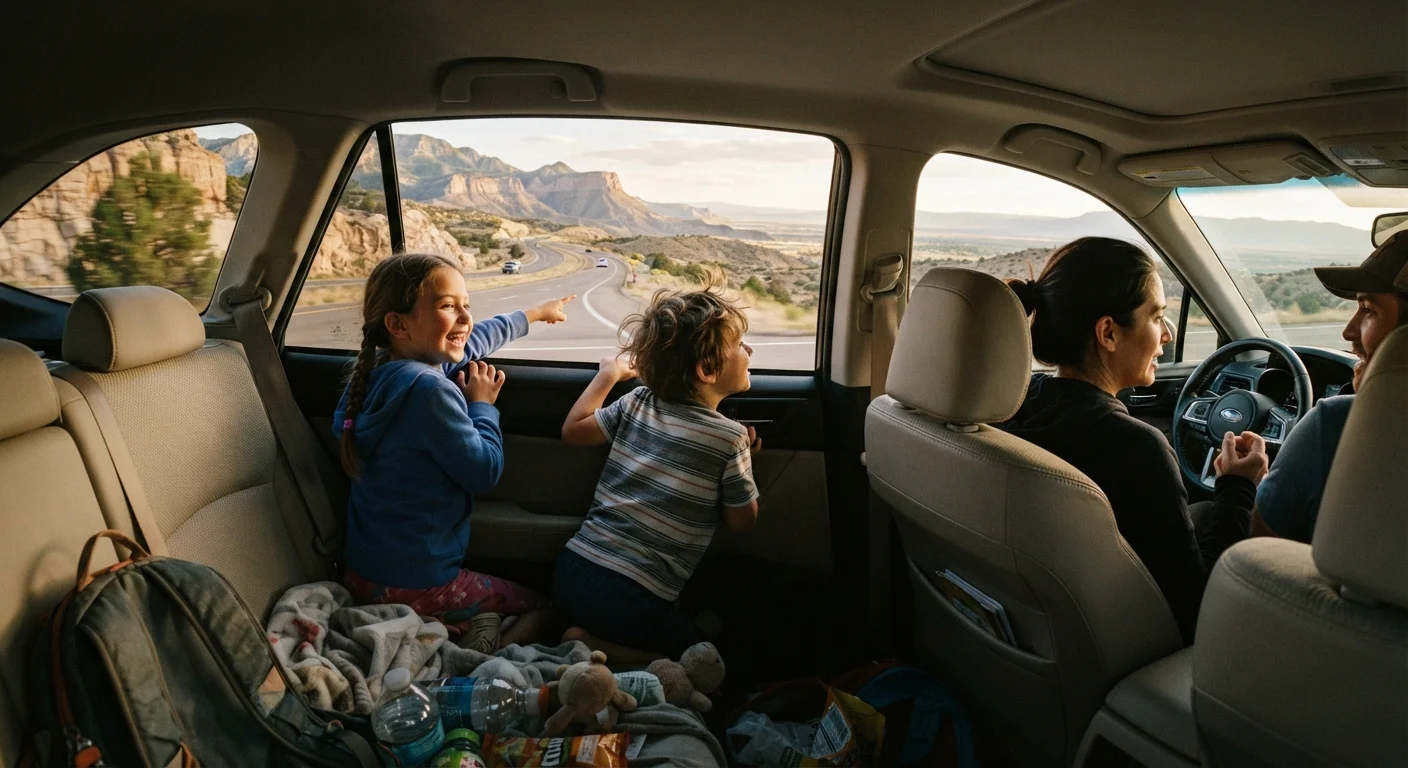
Photo: SaverSteals.com editorial
—— In This Article
Key Takeaways
- Scheduling drives around children's natural sleep cycles reduces active fussing time significantly.
- Planned rest stops every 90–120 minutes help kids burn energy and reset their moods.
- Layered entertainment—audio, tactile, and screen-based—keeps multiple age groups engaged longer.
- Snack and hydration prep done before departure prevents desperate gas-station detours.
- Organizing the car so kids can reach their own supplies reduces driver distraction.
Why Long Drives Hit Different With Kids in the Car
A six-hour drive that feels manageable for adults can feel endless to a seven-year-old who has already exhausted three activities and needs a bathroom. The core challenge isn't distance — it's that children experience time and physical discomfort very differently than adults, and they have far fewer internal strategies for coping with either.
Effective family road-trip planning means working with those realities rather than against them. That starts before you load a single bag. Review your vehicle readiness checklist well ahead of departure — a mechanical issue mid-trip is stressful enough without young passengers in the mix. For broader safety framing, road trip safety habits covers driver fatigue and pre-trip preparation in practical detail.
The steps below focus specifically on what happens inside the car: scheduling, comfort, entertainment, and keeping your own stress manageable so you can drive safely.
What you will need
Step-by-Step: Setting Up a Family-Friendly Long Drive
Follow these steps during your planning and packing phase. Most can be completed the evening before departure.
Time your departure around sleep schedules
Identify when your youngest child typically naps or sleeps, then schedule your departure so the first one to two hours of driving coincides with that window. Early-morning departures (before 6 a.m.) or evening departures after bedtime consistently reduce active restlessness. You cover real miles while children are unconscious, which is the most peaceful driving you'll get.
Build mandatory rest stops into your route every 90–120 minutes
Rather than treating stops as interruptions, schedule them as fixed waypoints. Look for locations with open space — rest areas with grass, parks, or playgrounds along the route. Each stop should last at least 15 minutes. Children need to move, not just stand beside the car. Identify stops in advance using your mapping app so you aren't making last-minute decisions under pressure.
Prepare a layered entertainment kit — not just screens
Screen-based entertainment works, but batteries die, signal drops, and some children get carsick watching video. Layer your entertainment options:
- Audio: Audiobooks, podcasts designed for kids, or music playlists the child helped choose. These work with eyes closed.
- Tactile: Small activity books, sticker sets, or magnetic drawing boards for children who stay comfortably engaged with hands-on tasks.
- Screen-based: Downloaded content (not streaming) on a fully charged device with headphones.
Introduce options sequentially throughout the trip rather than all at once — saving a new item for the halfway point gives it novelty value when energy is lowest.
Pack snacks and water for rear-seat self-service
Hunger and thirst complaints are among the most common sources of backseat friction and driver distraction. Pack a small cooler or tote that children can reach themselves without asking the driver to hand something back. Focus on foods that are low-mess and slow-eating — cut vegetables, cheese portions, crackers, and fruit. Avoid high-sugar snacks that produce energy spikes and crashes. Bring more water than you think you need; rest stops add up in mileage between chances to refill.
Organize the car so essentials are within reach
A well-organized vehicle reduces how often the driver has to physically assist passengers, which directly improves safety. Each child who is old enough should have their own small bag or seatback organizer with their entertainment, a water bottle, and a small comfort item. Keep a dedicated bag near the rear door with wipes, a change of clothes, and a plastic bag for motion sickness or spills. For broader strategies on car organization for long hauls, see our car packing guide.
Involve Kids in the Planning
Children who have some agency over the trip — choosing a playlist, picking a rest-stop snack, or tracking progress on a printed map — tend to engage more cooperatively than those who are simply passengers. Even small choices reduce the sense of helplessness that fuels backseat restlessness. Keep the choices simple and bounded so they don't slow down your planning.
Handling the Unexpected Without Derailing the Trip
Even well-prepared families hit rough patches — a child gets carsick, a planned rest stop is closed, or a toddler nap that was supposed to cover 90 miles lasts 20 minutes. A few backup strategies help:
- Motion sickness: Seat children who are prone to nausea in the middle row with a forward view when possible. Avoid letting them read or look down at screens during winding sections. Consult your child's pediatrician before using any over-the-counter remedies.
- Sudden meltdowns: Pull over safely if the situation is distracting the driver. A five-minute break costs less time than an accident.
- Closed or crowded rest areas: Use a mapping app to identify the next two options ahead of your current position so you always have a fallback.
For tips on where to stop overnight if your drive spans multiple days, see our breakdown of overnight stop options. And if you're new to long-distance driving in general, what to expect on your first long drive covers the fundamentals that apply whether children are along or not.
Don't Let Backseat Issues Distract the Driver
Reaching back, turning around to mediate arguments, or handing items to children while moving are all forms of distracted driving. If a situation genuinely requires your attention, find a safe place to pull off the road before addressing it. No in-car conflict is worth a crash.

Travel Editorial Team
Travel Editorial Team is the collective byline for our editorial team and contributor network. Articles published under this byline or an editorial pen name are researched, written, and reviewed according to our editorial standards for clarity, consistency, and independence before publication.
View author profile