
Buying Used Sports Equipment: Advantages and Trade-Offs
A balanced look at the genuine benefits and real drawbacks of shopping secondhand for sports gear, so you can decide what suits your situation.
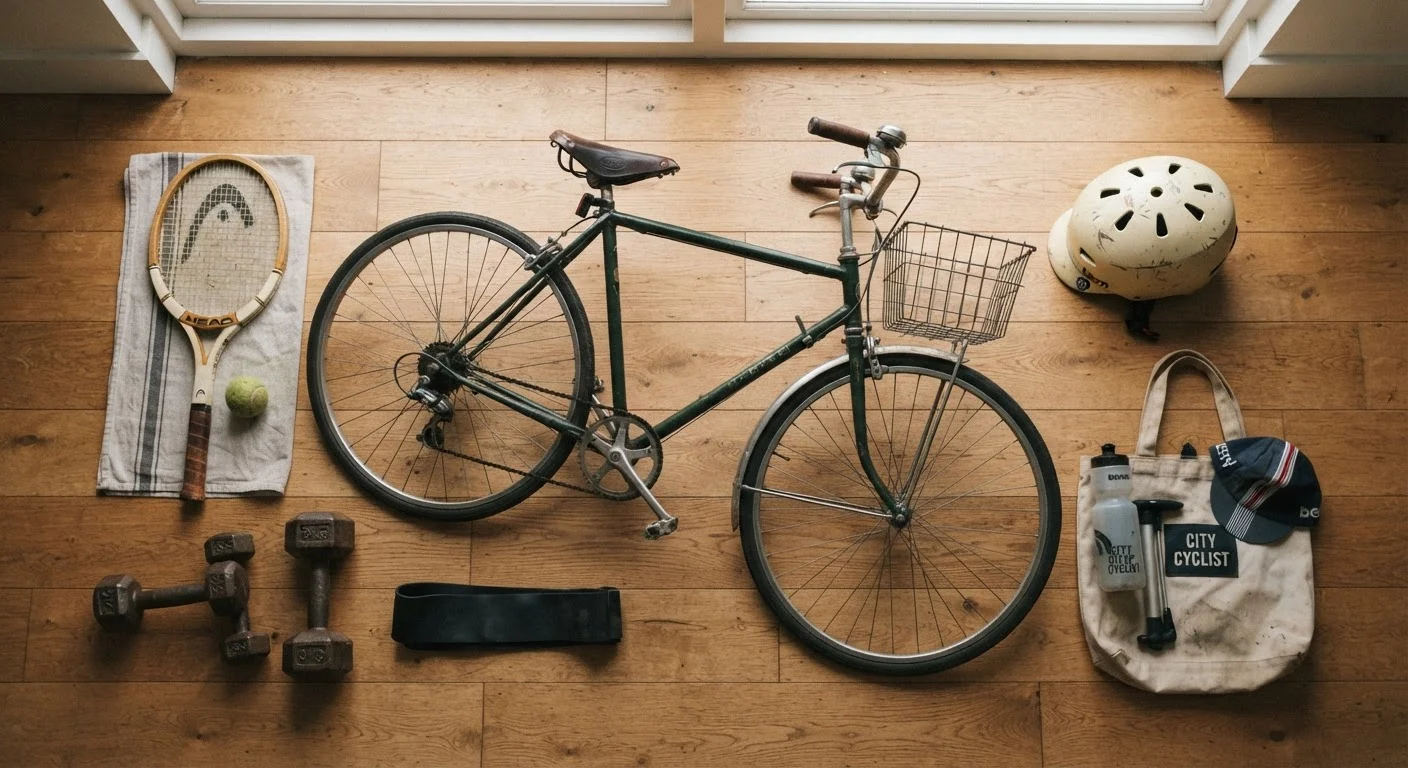
Photo: SaverSteals.com | Explore More. Shop Smarter. editorial
—— In This Article
Key Takeaways
- Used sports equipment typically costs 30–60% less than the same item new.
- Safety-critical gear like helmets should be purchased new, not secondhand.
- Hidden costs — shipping, servicing, replacement parts — can erode your savings.
- Inspection before purchase is essential; buying sight-unseen carries significant risk.
- Timing your search around seasonal sport cycles can improve selection and price.
Significantly lower purchase price than new
Used sports equipment commonly sells for 30–60% less than retail. For high-quality gear that holds up over time, this gap represents meaningful savings without a proportional drop in performance.
Lower financial risk when trying a new sport
Committing to a new activity with secondhand gear limits your exposure if the sport doesn't stick. Equipment can often be resold at a similar price if you decide to move on.
Access to discontinued or premium models
The secondhand market sometimes surfaces older models with better build quality than current entry-level options, or gear that's no longer manufactured but still performs well.
Reduced environmental footprint
Extending the usable life of sports equipment reduces the demand for new production and keeps functional items out of landfill — a straightforward environmental benefit.
Strong supply in popular categories
Categories like cycling, golf, skiing, and youth sports generate consistent secondhand supply, often including barely-used items sold by people who lost interest or outgrew the gear.
Safety-critical items carry real risk
Helmets, climbing harnesses, and avalanche safety equipment can appear undamaged while having compromised protective capacity from prior impacts or UV degradation. These items should generally be purchased new.
Hidden repair and servicing costs
Used equipment often needs servicing before it's ready to use safely or effectively. These costs can significantly reduce the savings you expected, especially for mechanical gear like bikes.
No warranty or return protection
Private sellers typically offer no recourse if a problem emerges after purchase. Unlike buying new, you bear the full risk of latent defects that weren't visible at inspection.
Condition is difficult to verify remotely
Online listings rely on seller-provided photos and descriptions, which may omit key defects. Buying without in-person inspection substantially increases the chance of a disappointing purchase.
Fit and sizing can be harder to resolve
Some equipment — particularly footwear, inline skates, and protective padding — must fit precisely to function correctly. Secondhand sellers rarely allow the kind of fit testing available in a store.
Time investment is higher than buying new
Finding a good used item requires research, comparison, and often travel for inspection. For buyers with limited time, this overhead may outweigh the financial benefit.
The Real Appeal of Secondhand Sports Gear
The secondhand sports equipment market is substantial and well-established. Platforms dedicated to resale, local sporting goods consignment shops, and community marketplaces all carry a steady flow of gear that's seen limited use. For budget-conscious shoppers, this creates a practical opportunity — but the advantages are specific, not universal.
Significantly lower purchase price than new
Used sports equipment commonly sells for 30–60% less than retail. For high-quality gear that holds up over time, this gap represents meaningful savings without a proportional drop in performance.
Lower financial risk when trying a new sport
Committing to a new activity with secondhand gear limits your exposure if the sport doesn't stick. Equipment can often be resold at a similar price if you decide to move on.
Access to discontinued or premium models
The secondhand market sometimes surfaces older models with better build quality than current entry-level options, or gear that's no longer manufactured but still performs well.
Reduced environmental footprint
Extending the usable life of sports equipment reduces the demand for new production and keeps functional items out of landfill — a straightforward environmental benefit.
Strong supply in popular categories
Categories like cycling, golf, skiing, and youth sports generate consistent secondhand supply, often including barely-used items sold by people who lost interest or outgrew the gear.
The price gap between used and new is often most dramatic for high-quality equipment. A mid-range road bike that retails for $900 new may appear on resale platforms for $350–$500 in good condition. The same pattern holds for golf clubs, ski equipment, kayaks, and weight-training gear — categories where quality correlates with durability and where items frequently outlast the owner's interest in the sport.
For anyone exploring a new activity, secondhand gear reduces the financial risk of discovering the sport isn't for them. If you decide cycling isn't your thing after two months, reselling a used bike is far less costly than taking a loss on a new one. See our first-timer's complete walkthrough for a structured approach to getting started.
The Trade-Offs You Should Weigh Honestly
The disadvantages of buying used are real and worth understanding before you commit. They don't automatically outweigh the benefits, but they do require preparation.
Safety-critical items carry real risk
Helmets, climbing harnesses, and avalanche safety equipment can appear undamaged while having compromised protective capacity from prior impacts or UV degradation. These items should generally be purchased new.
Hidden repair and servicing costs
Used equipment often needs servicing before it's ready to use safely or effectively. These costs can significantly reduce the savings you expected, especially for mechanical gear like bikes.
No warranty or return protection
Private sellers typically offer no recourse if a problem emerges after purchase. Unlike buying new, you bear the full risk of latent defects that weren't visible at inspection.
Condition is difficult to verify remotely
Online listings rely on seller-provided photos and descriptions, which may omit key defects. Buying without in-person inspection substantially increases the chance of a disappointing purchase.
Fit and sizing can be harder to resolve
Some equipment — particularly footwear, inline skates, and protective padding — must fit precisely to function correctly. Secondhand sellers rarely allow the kind of fit testing available in a store.
Time investment is higher than buying new
Finding a good used item requires research, comparison, and often travel for inspection. For buyers with limited time, this overhead may outweigh the financial benefit.
The most significant concern is safety. Some equipment — helmets in particular — should never be purchased secondhand. Helmets are designed to absorb impact once; a previously crashed helmet may show no visible damage while offering substantially reduced protection. Learn which categories are safe to buy used and which aren't before making any purchase decision.
Beyond safety, the hidden costs of secondhand purchases deserve attention. A bike listed at $300 may need new brake pads, cables, and a service tune before it's ride-ready — adding $80–$150 in shop fees. Hidden costs buyers overlook in secondhand sports purchases covers this in detail. Factor servicing, replacement parts, and any shipping expenses into your actual cost before comparing to new.
Where and How to Buy: Reducing the Risk
Where you buy matters as much as what you buy. Local purchase — where you can inspect the item in person — eliminates the uncertainty of buying from photos alone and avoids shipping costs and damage risk. Community resale groups, local consignment shops, and school or club equipment sales are all worth exploring.
Buying Online: Inspection Challenges
When you can't physically handle an item before purchase, you're relying entirely on the seller's honesty and photographic skill. Structural cracks, worn bearings, and stretched components rarely show up clearly in listing photos. If you're buying remotely, ask for video of moving parts, close-up shots of wear areas, and a clear statement of the return policy before committing funds.
Online marketplaces offer broader selection, but carry higher risk when buying items that require physical inspection. If you do buy online, prioritize sellers with detailed photos, honest condition descriptions, and a return policy. Online marketplaces vs. local sporting goods resellers breaks down the trade-offs between each channel.
Timing also affects what's available and at what price. Sellers often list gear at the end of a sport's season — after ski season ends, for instance, or when youth leagues wrap up — and prices tend to soften when supply spikes. How seasonal timing affects used sports gear availability and price explains how to use these cycles to your advantage.
Regardless of where you shop, inspect every item systematically before agreeing to buy. What to check before you commit to used sports equipment provides a practical checklist covering the most common gear categories. If a seller won't allow inspection or rushes you toward a decision, that's a reliable signal to walk away.
Making the Decision: A Practical Framework
The decision to buy used or new should be driven by three factors: the item category, your intended use, and the quality of the specific item available.
Buy used when: the equipment is durable by design (metal, carbon fiber, quality plastics), the sport is new to you, the item is low-risk if it fails (a tennis racket vs. a climbing harness), and you can inspect it before purchase.
Buy new when: the item is safety-critical and its history is unknowable, it requires precise fit that's hard to assess secondhand (inline skates, cleats), or you're competing seriously and performance margins matter.
30–60%
Typical price reduction vs. retail
Secondhand sports equipment in good condition commonly sells at 30–60% below its original retail price, with larger discounts common in categories like cycling and golf.
~$100–$150
Average bike tune-up cost at a shop
A standard bicycle service at a local bike shop can run $100–$150 or more depending on work needed — a figure worth factoring into any used bike purchase.
If you're ready to move forward with a secondhand purchase, negotiating a fair price on secondhand sports equipment covers how to research market value and make reasonable offers without overpaying. And if you want the full picture from search to purchase, the full lifecycle of secondhand sports equipment walks through every stage of the process.

Sports Editorial Team
Sports Editorial Team is the collective byline for our editorial team and contributor network. Articles published under this byline or an editorial pen name are researched, written, and reviewed according to our editorial standards for clarity, consistency, and independence before publication.
View author profile