
Secondhand Sports Gear: What's Safe to Buy Used and What Isn't
Used athletic equipment can be an excellent value — or a safety risk. Learn which categories are fine pre-owned and which should always be purchased new.
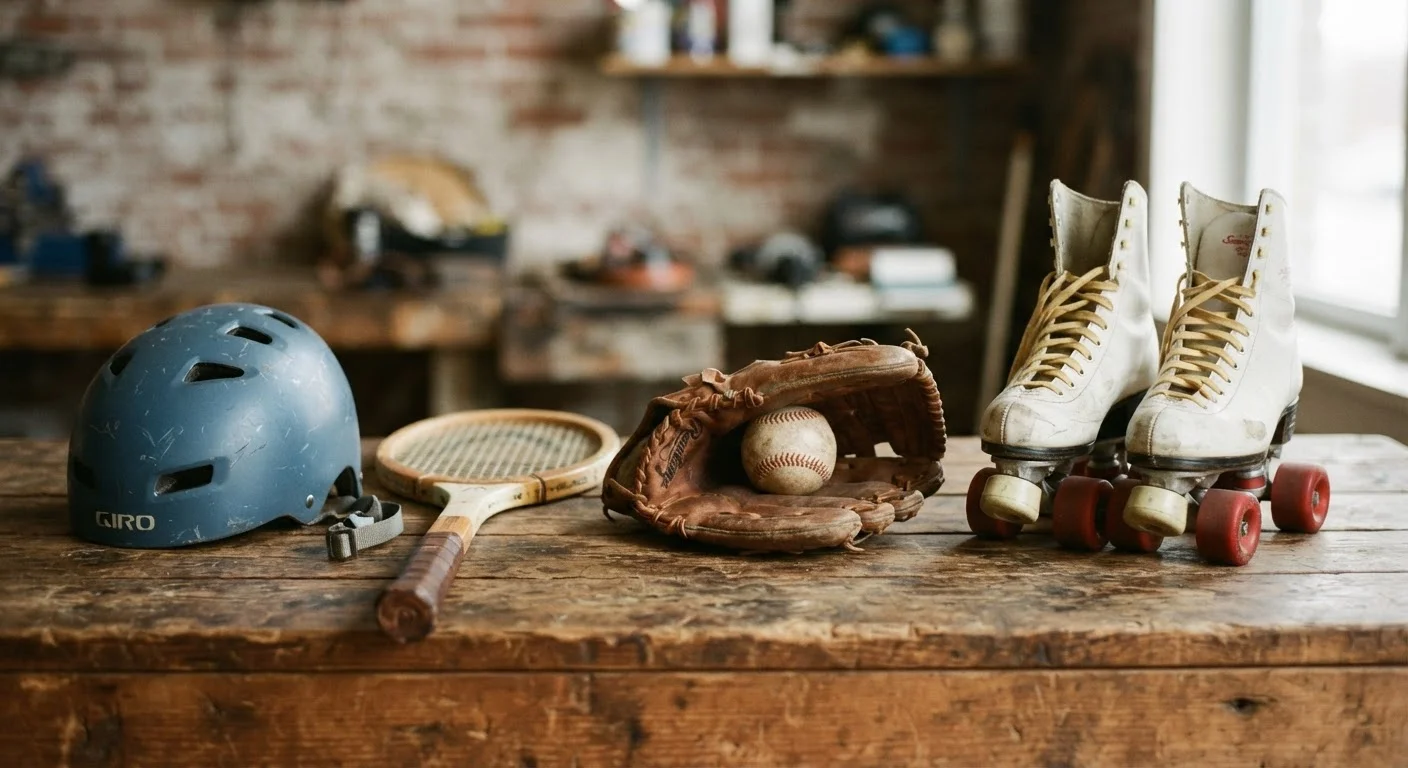
Photo: SaverSteals.com | Explore More. Shop Smarter. editorial
—— In This Article
Key Takeaways
- Helmets and other impact-absorbing safety gear should almost always be purchased new.
- Rackets, bats, gloves, and most hard goods are generally safe to buy used with a proper inspection.
- Protective padding and helmets can degrade invisibly after a single significant impact.
- Off-season timing and resale platforms can yield substantial savings on low-risk categories.
- When in doubt, consult the manufacturer's replacement guidelines before committing to a used item.
The Core Question: Does This Item Absorb Impacts?
The clearest rule of thumb in secondhand sports gear is this: if the item's primary job is to absorb or deflect force to protect your body, treat it as a consumable. Once it has done that job — or once enough time has passed that its materials have degraded — it may offer no meaningful protection at all, often with no visible warning sign.
Everything else — items that transfer force, provide grip, or structure your movement — tends to age in ways you can actually see and evaluate. That distinction drives every recommendation below. For a deeper orientation on the secondhand market overall, see this complete walkthrough for first-time used gear buyers.
| Category | Safe Used? | Key Risk | What to Inspect | |
|---|---|---|---|---|
| Helmets (bike, ski, contact sports) | No — buy new | Hidden foam compression | No reliable inspection possible | |
| Rackets, bats, sticks | Yes | Cracks, delamination | Frame, shaft, grip condition | |
| Golf clubs | Yes | Bent shaft, worn grip | Hosel, shaft, grip rubber | |
| Weights & resistance equipment | Yes | Rust, collar damage | Surface condition, collar function | |
| Running / court shoes (used) | Caution | Midsole compression | Mileage history unavailable | |
| Climbing harnesses & ropes | No — buy new | Invisible textile degradation | No consumer-level test exists | |
| Bicycles (frame & drivetrain) | Yes, with inspection | Frame cracks, brake wear | Welds, brakes, chain wear | |
| Football / hockey protective pads | No — buy new | Silent foam hardening | Exterior shows no degradation |
Gear That Is Generally Safe to Buy Used
Rackets, bats, and sticks. Tennis rackets, baseball bats, hockey sticks, and similar implements wear visibly. Check frames for cracks, look at grip condition, and flex the shaft slightly to detect brittleness. Cosmetic wear rarely affects function. These categories are a natural fit for the secondhand market.
Golf clubs. Club heads and shafts degrade slowly through normal use. Inspect for hosel cracks, bent shafts, and worn grip rubber. The used sports equipment market has a particularly deep and liquid supply of golf clubs, making price comparisons straightforward.
Weights and resistance equipment. Dumbbells, barbells, and weight plates are essentially inert metal or rubber. Rust and collar damage are the main things to check. Fixed-weight dumbbells in particular hold up for decades under normal conditions.
Bicycles (frame and drivetrain). A used bike can represent significant savings, but requires a thorough mechanical inspection — check frame welds, brake function, and chain wear. Note that bike helmets are a separate, safety-critical category covered below.
Ask for Provenance Before You Pay
When buying used gear from a private seller, ask directly: how old is it, where was it used, and has it ever taken a hard impact? Sellers who can answer those questions specifically — and consistently — give you far more confidence than those who can't. For items like ski boots or inline skates, knowing the number of seasons of use matters as much as visual condition. If that information isn't available, price the uncertainty into your offer.
Gear You Should Buy New
Helmets. This is the single most important category to buy new. Bicycle, skiing, skateboarding, and contact sport helmets use foam liners engineered to compress on impact — a one-time mechanism. A helmet that has absorbed a significant hit may look intact while offering substantially reduced protection. Manufacturers typically recommend replacement every three to five years regardless of visible damage, and after any significant impact. There is no reliable way for a consumer to verify a used helmet's impact history. See the full inspection checklist for what to examine on other items.
Protective pads (contact sports). Football shoulder pads, hockey pants, lacrosse chest protectors, and similar items use the same energy-absorbing foam technology as helmets. Foam compresses and hardens over time, quietly losing its protective capacity. Exterior shells rarely show this degradation.
Athletic footwear with significant mileage. Running shoes and court shoes have midsole foam that compresses with use. A pair that looks fine may have several hundred miles of compression already logged. Previous-season new shoes are often a better value than used current-season models for this reason.
Climbing harnesses and ropes. Load-bearing textile gear degrades from UV exposure, sweat, and friction in ways that are invisible to the naked eye. Manufacturers publish specific retirement timelines. The consequences of failure are severe enough that new, documented gear is the standard recommendation in the climbing community.
The Gray Zone: Inspect Carefully Before Deciding
Some categories fall between the clear-cut cases. Inline skates and ski boots can be fine used if the shell shows no stress cracks and the liner retains its shape; compression-molded liners that have been heavily used may no longer provide adequate ankle support or fit. Baseball and softball catcher's gear — masks, chest protectors, shin guards — combines hard shells with foam, creating the same inspection challenge as hockey pads.
For these borderline items, the trade-offs of buying used are most visible. If you can't verify the item's age and usage history, and the cost of failure is a physical injury, the savings may not justify the uncertainty. When a seller can provide a clear ownership history and the gear is relatively recent, the calculus shifts.
The reputation of secondhand gear is often worse than it deserves — but only for the categories where degradation is visible and verifiable. Safety-critical gear earned its reputation honestly.

Sports Editorial Team
Sports Editorial Team is the collective byline for our editorial team and contributor network. Articles published under this byline or an editorial pen name are researched, written, and reviewed according to our editorial standards for clarity, consistency, and independence before publication.
View author profile