
How Seasonal Timing Affects Used Sports Gear Availability and Price
Supply and demand shift throughout the year in the secondhand sports market. Here's how timing your search can work in your favour.
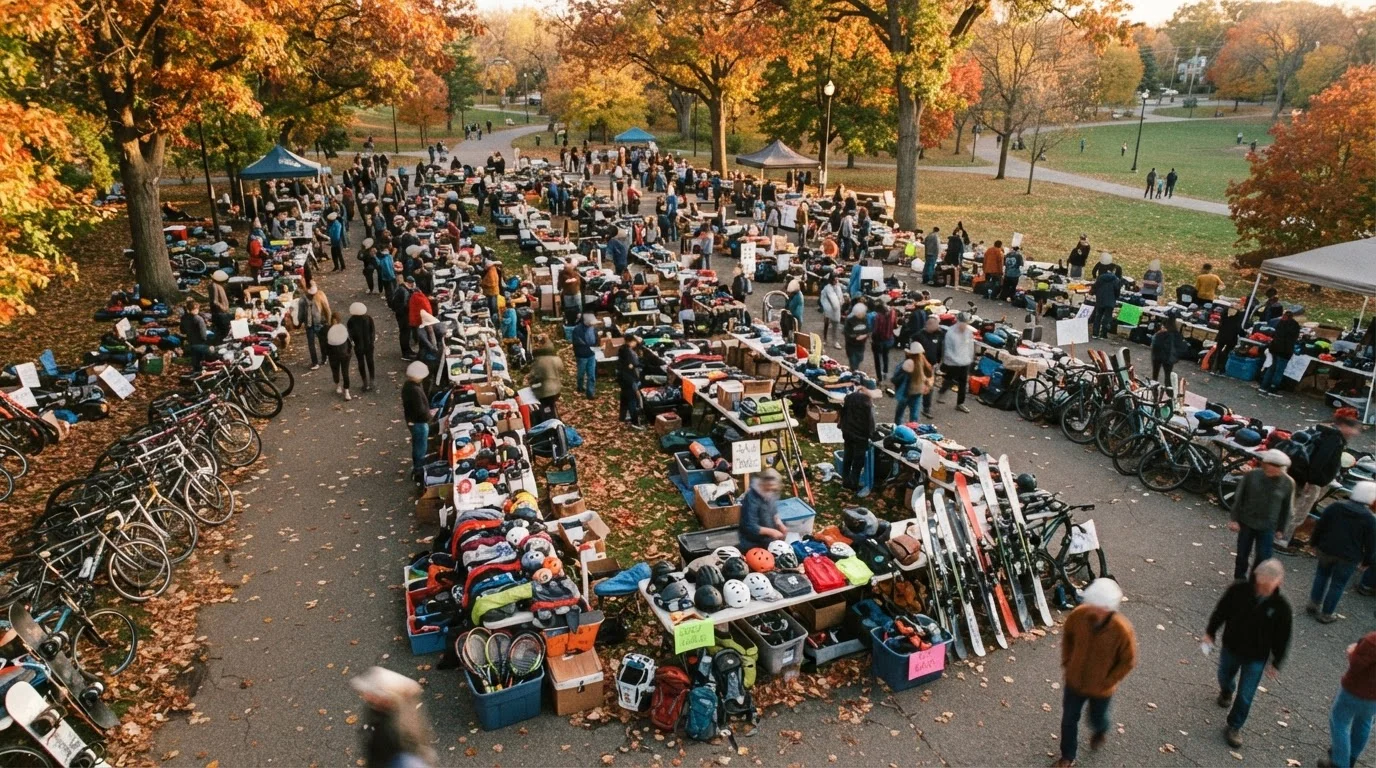
Photo: SaverSteals.com | Explore More. Shop Smarter. editorial
—— In This Article
Key Takeaways
- Used gear prices tend to drop sharply at the end of each sport's season as sellers clear storage.
- Availability peaks just before and just after a season, creating two distinct windows with different price dynamics.
- Off-season searches typically yield more listings and less competition from other buyers.
- High-demand windows — back-to-school, pre-winter, and pre-spring — tend to produce higher asking prices.
- Planning purchases 6–10 weeks ahead of when you need gear gives you leverage and selection.
How Supply and Demand Shift Through the Year
The secondhand sports market doesn't operate on a flat, steady supply. Listings appear in waves that mirror the sports calendar. Understanding those waves is the foundation of timing your search effectively. For a deeper look at the broader forces shaping this market, see The Secondhand Sports Gear Market Explained.
Two distinct surges in listing volume happen each year for most seasonal sports:
- Pre-season surge: Sellers who haven't used their gear in months post listings as the upcoming season prompts a clear-out. Buyers are also waking up and searching, which keeps prices competitive.
- Post-season sell-off: After the season closes, a larger wave of listings appears. Motivation is high — sellers don't want to store equipment for another year — and buyer competition drops. This is when asking prices are typically most negotiable.
The post-season window is where patient buyers find the most favorable conditions. Sellers are realistic; buyers are scarce.
30–50%
Typical post-season price drop for seasonal gear
Resale market observers consistently note that asking prices for ski and snowboard equipment decline markedly in the months following the winter season, though exact figures vary by item and region.
6–10 weeks
Recommended lead time before you need the gear
Starting your search this far ahead of your intended use date positions you to catch post-season listings while leaving time for inspection and any servicing.
2x
Listing volume increase at season's end vs. mid-season
Secondhand marketplace activity for seasonal sports categories regularly doubles in the weeks immediately following a season's close, based on observed listing patterns on major resale platforms.
Sport-Specific Seasonal Patterns Worth Knowing
Different sports produce different timing dynamics. Grouping gear by seasonal category helps you plan searches more strategically.
Winter sports (skis, snowboards, ice skates)
Listings spike in October and November as pre-season excitement drives both sales and purchases. The post-season window — roughly March through May — tends to produce noticeably lower asking prices. Off-season shopping for ski gear follows a well-documented pricing cycle.
Summer and water sports (paddleboards, kayaks, bikes)
Availability climbs sharply in September and October as sellers wrap up the warm-weather season. Paddleboards and kayaks in particular are bulky — sellers are motivated to move them before winter storage becomes an issue.
Team and youth sports (soccer, baseball, football)
Youth league schedules drive heavy listing activity at the end of each school-sports season. Spring and fall produce two distinct post-season windows. Equipment outgrown by kids is typically lightly used, making this a particularly reliable category for value.
Set Price Alerts Before the Post-Season Window Opens
Most resale platforms and marketplace apps allow you to save searches and receive notifications when new listings match your criteria. Configure these 4–6 weeks before a sport's season ends so you're notified the moment motivated sellers start posting. Acting within the first day or two of a new listing often puts you ahead of competing buyers.
The Windows to Avoid — and Why
Just as post-season creates buyer-friendly conditions, certain windows consistently work against you. Back-to-school (late July through September) is one of the highest-demand periods across multiple sports categories simultaneously. Youth gear, fitness equipment, and fall-sport items all see increased buyer competition, which holds asking prices up.
Early winter — October through December — is similarly competitive for snow sports. Sellers know demand is rising and price accordingly. If you're searching during these windows, you're often paying a pre-season premium on a secondhand item.
The practical implication: if you missed the post-season window, waiting for the next post-season is often more cost-effective than buying during peak demand — provided you have somewhere to store the gear.
Putting Seasonal Timing Into Practice
Knowing the cycle is useful only if you act on it. A few practical approaches:
- Set saved searches early. Most resale platforms allow you to save search terms and receive alerts. Setting these up 8–10 weeks before the post-season window puts you in position before prices soften.
- Track asking prices over time. If you're not in a rush, watching the same type of item across a few weeks reveals whether prices are rising or falling — useful context for negotiating a fair offer.
- Account for hidden costs in your timing math. A post-season ski boot bought cheaply in April may need a boot fitting or minor repair before use. Factor in those expenses — hidden costs that erode expected savings are worth reviewing before committing.
- Consider the full picture. Timing is one variable. Condition inspection, authenticity verification, and understanding what trade-offs you're accepting are equally important. Buying used sports equipment: advantages and trade-offs covers the broader evaluation process.
Seasonal timing won't make a bad deal good, but it meaningfully shifts the odds in your favor when combined with careful inspection and realistic expectations. For a complete framework — from finding listings through post-purchase maintenance — see The Full Lifecycle of Secondhand Sports Equipment.
Frequently Asked Questions

Sports Editorial Team
Sports Editorial Team is the collective byline for our editorial team and contributor network. Articles published under this byline or an editorial pen name are researched, written, and reviewed according to our editorial standards for clarity, consistency, and independence before publication.
View author profile