
Used Sports Equipment: A First-Timer's Complete Walkthrough
New to buying secondhand gear? Learn what to look for, where to shop, and how to avoid rookie mistakes when purchasing used sports equipment.
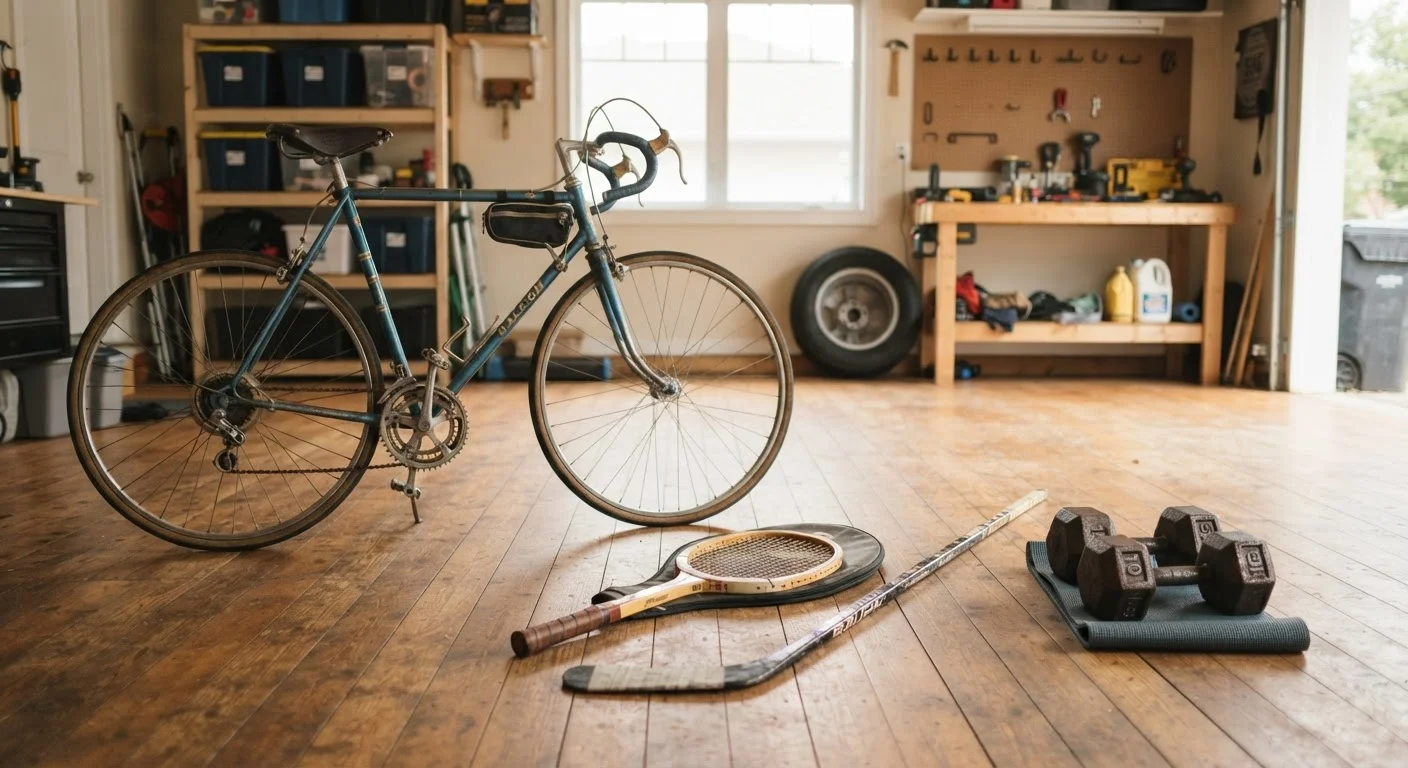
Photo: SaverSteals.com | Explore More. Shop Smarter. editorial
—— In This Article
Key Takeaways
- Not all sports equipment is equally safe to buy used — helmets and impact-protection gear carry specific risks.
- Reputable resale platforms, local sporting goods consignment shops, and community marketplaces are solid starting points.
- Always inspect in person when possible, and research the original retail price before negotiating.
- Off-season timing often produces more listings and more motivated sellers.
- A methodical inspection checklist reduces the chance of buying damaged or unsafe gear.
What Makes Used Gear Worth Considering
Buying secondhand sports equipment isn't a compromise — for many items, it's simply the smarter move. Gear depreciates fast, especially for casual participants who outgrow a sport or upgrade after one season. That depreciation works in a buyer's favor.
The case for used gear is straightforward: you pay a fraction of the retail price for equipment that may have seen minimal use. A beginner doesn't need brand-new gear to find out whether they enjoy a sport. Buying used keeps the financial risk low while you're still deciding. For a balanced view of the genuine trade-offs involved, see the advantages and trade-offs of buying used.
Consignment shop
A store that sells items on behalf of the original owner, typically inspecting them first and splitting the sale price. Offers more accountability than a direct private sale.
Depreciation
The loss in value a product experiences over time and use. Sports equipment often depreciates quickly after purchase, which benefits secondhand buyers.
Impact-rated gear
Equipment specifically engineered and certified to absorb or deflect physical impacts — such as helmets or climbing harnesses — that can be compromised by prior incidents even without visible damage.
Buyer protection
A policy offered by some resale platforms that provides recourse — such as a refund — if the item received doesn't match the listing description.
Manufacture date
The date an item was produced, often stamped or printed on safety-critical gear. Important for determining whether a helmet or harness has exceeded its recommended service life.
Where to Find Secondhand Sports Equipment
You have more options than most first-timers realize. Each channel has different strengths:
- Sporting goods consignment shops — Staff typically inspect items before accepting them, which adds a basic layer of quality filtering. Return policies are usually more structured than private sales.
- Online marketplaces — Platforms like Facebook Marketplace, OfferUp, and Craigslist connect you with local sellers. You can inspect in person before committing. Photos and descriptions vary in quality, so treat them as a starting point, not a guarantee.
- Dedicated sports resale platforms — Several online platforms specialize in specific sports categories (cycling, golf, racket sports). Listings tend to include more detailed condition information, and some platforms offer buyer protections.
- Community swaps and league exchanges — Many youth leagues and community recreation programs run seasonal gear swaps. These events offer family-appropriate pricing and often feature lightly used items from children who quickly outgrew them.
- Garage and estate sales — Prices can be very low, but inspection is entirely on you with no recourse afterward.
Timing matters too. Shopping at the end of a season — after ski season wraps or after summer leagues close — tends to surface more listings from sellers ready to move on. For more deal-timing strategies, explore our sports gear deals hub.
Time Your Search Around Season Endings
Listings for sport-specific gear tend to spike at the end of a playing season, when casual participants clear out equipment they no longer need. Searching shortly after a season closes — rather than right before it starts — often means more options and sellers who are genuinely motivated to move items quickly.
What to Inspect Before You Commit
Visual inspection is your primary tool as a private buyer. Before any transaction, methodically check for the following:
- Structural integrity — Look for cracks, bends, warping, or visible repairs on frames, shafts, and hard surfaces.
- Moving parts — Test wheels, hinges, adjustment mechanisms, and any moving component. Stiff or grinding parts signal wear or neglect.
- Fasteners and connections — Bolts, clamps, and buckles should be present, tight, and free of rust or stripping.
- Padding and fabric — Check for tears, compression, foam breakdown, or odor that can't be cleaned away.
- Age indicators — Look for manufacture dates, especially on helmets and harnesses, which have documented usable lifespans.
For a full item-by-item inspection checklist covering helmets, bikes, rackets, and more, see what to check before you commit.
Gear That's Safe to Buy Used — and What to Avoid
This is the most important distinction a first-time buyer needs to understand. Not all equipment carries the same risk when purchased secondhand.
Generally safe to buy used: bicycles (excluding helmets), golf clubs, rackets, skis and poles, weights and resistance equipment, fitness machines, kayaks and paddleboards, and most team sport implements like bats and sticks.
Approach with caution or avoid entirely: helmets of any kind (cycling, skiing, hockey, rock climbing), climbing ropes and harnesses, avalanche safety equipment, and any protective gear explicitly rated to absorb impact. Internal damage from a single significant impact is often invisible but compromises protection in future incidents.
For a thorough breakdown by equipment category, see sports equipment that ages well and gear you should never buy used. A complementary overview of safety considerations by category is also available at what's safe to buy used and what isn't.
Never Rely on Appearance Alone for Safety Gear
A helmet can look pristine while being structurally compromised from a previous impact. Internal foam liners crush to absorb energy and don't spring back — meaning a helmet that absorbed one serious blow may offer no real protection in a second. If you can't verify a helmet's history with certainty, treat it as a new purchase.
Negotiating and Completing the Purchase
Once you've identified an item worth pursuing, a few practical steps protect you through the transaction.
Do your price research first. Know the current retail price and what comparable used items are listed for. This gives you an objective reference point — not just the seller's asking price.
Negotiate from condition, not preference. If you spot legitimate wear or missing components, raise those specifically. Sellers are generally more receptive to price adjustments tied to documented issues than to general haggling.
Prefer in-person transactions for local buys. Pay only after inspecting the item. For online purchases, use platforms with buyer protection where possible, and be cautious of sellers who avoid in-person meetings or rush the transaction.
Get receipts or written confirmation. Even a quick text message confirming the agreed price and condition creates a basic record.
Once you've completed your purchase, the full lifecycle of secondhand sports equipment covers how to maintain and eventually resell your gear when the time comes.
Frequently Asked Questions

Sports Editorial Team
Sports Editorial Team is the collective byline for our editorial team and contributor network. Articles published under this byline or an editorial pen name are researched, written, and reviewed according to our editorial standards for clarity, consistency, and independence before publication.
View author profile