
The Full Lifecycle of Secondhand Sports Equipment
From finding listings to inspecting, negotiating, and maintaining your purchase—a comprehensive resource for buying used sports gear confidently.
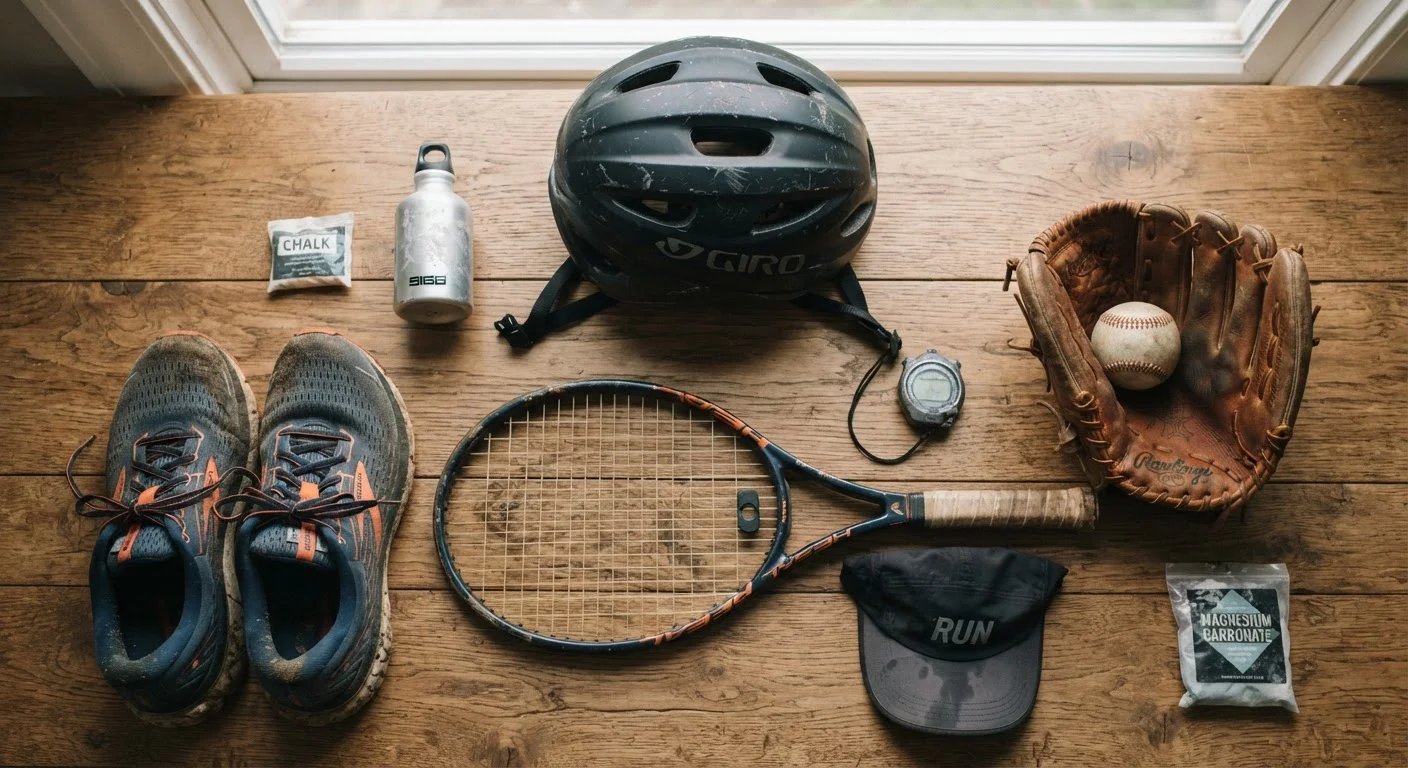
Photo: SaverSteals.com | Explore More. Shop Smarter. editorial
—— In This Article
Key Takeaways
- Safety-critical items like helmets should not be bought secondhand if their impact history is unknown.
- Inspection checklists reduce risk significantly — structural integrity matters more than cosmetic condition.
- Off-season timing and local pickup listings typically offer the most negotiating room.
- Hidden costs — servicing, parts, and shipping — can narrow the savings gap faster than expected.
- Passing gear on responsibly, rather than discarding it, extends the value chain for the next buyer.
Why the Secondhand Market Works for Sports Gear
Sports equipment depreciates quickly once purchased new, often because participants outgrow a sport, change skill levels, or upgrade after a single season. That depreciation creates a reliable supply of lightly used gear at a fraction of retail cost — a structural advantage for budget-conscious buyers willing to do a little homework.
Unlike secondhand clothing, where condition is mostly cosmetic, used sports equipment carries functional and safety implications. That distinction shapes every decision covered in this guide. For a broader look at how secondhand markets compare across categories, see the complete secondhand clothing handbook and the complete lifecycle of a secondhand toy.
~50%
Typical depreciation after first season of use
Industry resale platforms consistently show sporting goods losing roughly half their retail value after a single season, though this varies by category and condition.
3–5x
Price range spread for same item in used market
Listings for identical equipment in varying condition can span a wide price band on resale platforms, underscoring how much inspection and sourcing channel matter.
~30%
Of used gear listings involve missing accessories
Consumer resale surveys suggest a significant proportion of secondhand sports listings omit original accessories, which can affect usability and resale value.
Where to Find Used Equipment
Sourcing channels fall into three broad categories, each with different trade-offs:
- Local classifieds and community boards (municipal Facebook groups, Nextdoor, Craigslist): No shipping costs, in-person inspection possible, but listings are inconsistent and require patience.
- Dedicated resale platforms (SidelineSwap, eBay sporting goods): Larger inventory, often with seller ratings and return windows. Shipping costs can erode savings — a point explored in detail in our guide on hidden costs buyers overlook in secondhand sports purchases.
- Consignment shops and play-it-again style retailers: Staff typically perform basic condition checks before accepting items, adding a layer of vetting you don't get in private sales.
Timing also matters. Listings for seasonal gear — ski equipment, tennis rackets, golf clubs — tend to spike at the end of the relevant season when participants clear storage. Shopping in those windows often means more supply and more negotiating room. See the sports gear deals hub for context on seasonal pricing patterns.
When buying locally, propose meeting at a neutral location with good natural light — parking lots outside sports retailers work well. The environment removes time pressure and gives you the clearest view of condition.
Sellers motivated to close quickly sometimes suggest dim or rushed settings. Neutral ground puts both parties on equal footing and improves inspection quality.
Request the original purchase receipt or any service records if available. Even a photo of a warranty card narrows the equipment's age and can confirm it hasn't been recalled.
Age and service history are the two most important unknowns in a secondhand transaction; documentation closes both gaps without requiring you to take the seller's word.
How to Inspect Before You Buy
A structured inspection is the single most important step in any used gear transaction. Prioritize these checks:
- Structural integrity first. Look for cracks, fractures, bent frames, or delamination. On composite items like carbon-fiber bikes or rackets, run your fingers along seams and flex gently — hairline cracks often announce themselves through sound before they're visible.
- Mechanism function. Test every moving part: ski bindings, bike derailleurs, buckles on helmets and protective pads. A mechanism that sticks or releases inconsistently is a safety concern, not just an inconvenience.
- Wear patterns. Uneven sole wear on athletic footwear, asymmetric string tension on rackets, or one-sided blade dulling on skates can reveal how the previous owner used — and stressed — the equipment.
- Original hardware. Missing screws, replaced bolts with incorrect specs, or aftermarket parts not rated for the application are red flags.
Never Buy a Used Helmet Without Impact History
Helmets — cycling, ski, hockey, climbing — are designed to absorb impact through controlled deformation of internal foam. A helmet that has taken a significant impact may look undamaged externally while being compromised structurally. Unless you can verify with certainty that a helmet has never been in an impact, buying secondhand introduces a risk that the savings do not justify. This applies equally to other single-impact protective equipment like motorcycle helmets.
If you're newer to this process, the first-timer's complete walkthrough covers inspection fundamentals in approachable detail.
Negotiating and Completing the Purchase
Private sellers generally have more flexibility than platforms with fixed pricing, but negotiation works best when it's grounded in specifics rather than just asking for a lower number. Reference documented repair needs, missing accessories, or comparable listings at lower prices — these are defensible positions that don't come across as arbitrary haggling.
For payment, prefer methods that leave a record: payment apps with transaction histories, or cash with a simple handwritten receipt. Avoid wire transfers to unknown sellers. When buying through a platform, understand the dispute and return policy before completing payment — policies vary significantly between services.
Use Comparable Listings as Your Benchmark
Before entering any negotiation, search the same platform and at least one other for equivalent items in similar condition. Screenshot two or three comparables. This gives you a concrete, non-confrontational reference point if the seller questions your offer — and it protects you from overpaying on items with thin listing history.
Maintaining Secondhand Gear Over Time
Used equipment may have deferred maintenance baked in. Build a baseline assessment when you first acquire gear: clean it thoroughly (cleaning also surfaces hidden damage), lubricate moving parts, check fastener torque, and research any manufacturer service intervals for mechanical items like ski bindings, which require certified annual inspection in most contexts.
Storage conditions matter as much as active use. UV exposure degrades rubber and certain plastics; moisture accelerates corrosion on metal components and can compromise adhesive bonds in composite equipment. A detailed framework for ongoing care is covered in responsible habits for maintaining secondhand sports equipment.
Knowing When to Pass It On
Gear has a finite useful life, and part of participating in the secondhand market responsibly is being honest about where a piece of equipment sits in that lifecycle. Indicators it's time to retire or pass on an item include: visible structural fatigue, components no longer available for replacement, or safety certifications that have been superseded by updated standards.
When gear still has usable life, resale or donation extends its value chain. Document what you know about its history — the same transparency you'd want when buying applies when selling. Items that are genuinely end-of-life should be disposed of appropriately, not re-listed to pass the problem downstream.
The secondhand sports market functions best as a circular system. Every informed buyer who inspects carefully, maintains diligently, and sells honestly makes the next transaction safer and more efficient for everyone in the chain.

Sports Editorial Team
Sports Editorial Team is the collective byline for our editorial team and contributor network. Articles published under this byline or an editorial pen name are researched, written, and reviewed according to our editorial standards for clarity, consistency, and independence before publication.
View author profile