
The Hidden Costs Buyers Overlook in Secondhand Sports Purchases
Shipping, servicing, replacement parts—discover the extra expenses that can erode the savings you expected from buying used gear.
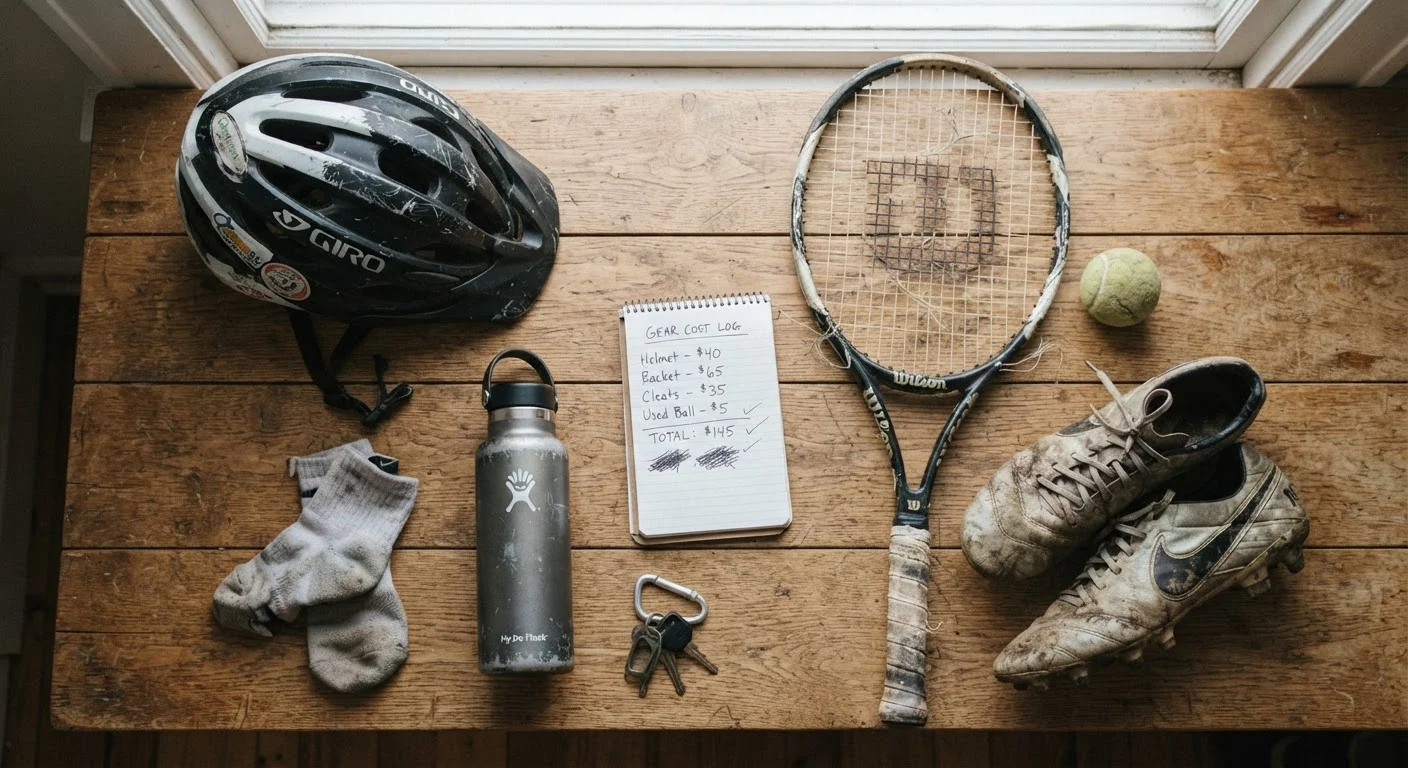
Photo: SaverSteals.com | Explore More. Shop Smarter. editorial
—— In This Article
Key Takeaways
- Shipping and transport costs on bulky used gear can significantly reduce your expected savings.
- Safety-critical equipment like helmets may require professional inspection or immediate replacement.
- Missing parts, worn components, and servicing needs are rarely disclosed in secondhand listings.
- Platform fees and payment protection costs add to the real price of marketplace purchases.
- Calculating total ownership cost before buying helps you avoid spending more than if you'd bought new.
Why the Advertised Price Is Just the Starting Point
Buying used sports equipment can stretch your budget — but only if you account for every cost involved. The listing price is the number that gets attention, yet experienced secondhand shoppers know it rarely tells the whole story. Shipping, repairs, missing accessories, and platform fees all chip away at your margin before you've even used the gear.
This is especially true in sports, where equipment tends to be heavy, oddly shaped, or safety-dependent. A used road bike frame listed at half the retail price sounds compelling until you factor in freight charges, a professional fitting, and new brake cables. Understanding where these costs hide is the first step to making a purchase that genuinely saves you money. For a broader overview of what smart secondhand shopping involves, see the full lifecycle of secondhand sports equipment.
30–50%
Typical discount on used vs. new sports gear
Resale market data consistently shows secondhand sporting goods listed at 30–50% below retail, though condition and demand vary widely by category.
Up to 25%
Freight cost as share of item price for large equipment
Industry shipping estimates suggest oversized or heavy sports items can incur freight charges representing 15–25% of the item's listed value, depending on distance and carrier.
Common Mistakes That Inflate the Real Cost
The errors below aren't signs of carelessness — they reflect how secondhand listings are structured and what sellers are motivated to leave out. Recognising these patterns before you commit is how you keep the savings intact.
Ignoring freight and transport costs on large or heavy equipment.
Why it happens: Buyers focus on the headline price and assume shipping will be minimal, not realising that bulky items like exercise machines, kayaks, or bicycles can incur freight charges that rival or exceed the item's value.
Skipping professional inspection on safety-critical gear such as helmets, harnesses, or protective padding.
Why it happens: Helmets and harnesses often look fine to the naked eye even after impact damage that compromises their protective integrity. Sellers may be unaware of previous damage, and buyers tend to trust visual condition.
Overlooking missing or worn components that require immediate replacement.
Why it happens: Listings highlight what works and rarely disclose worn cables, degraded grips, cracked buckles, or missing hardware. Buyers assume the item is complete and functional.
Failing to account for platform fees, payment protection costs, or buyer premiums.
Why it happens: Marketplace transaction fees are buried in checkout flows and payment terms. Buyers see the listed price and treat it as the final number.
Underestimating the cost of professional servicing needed before the gear is usable.
Why it happens: A bicycle, ski binding, or rowing machine may technically function but require a tune-up, recalibration, or safety check before it's appropriate to use. Buyers often don't factor this in until after the purchase.
For a realistic assessment of when secondhand genuinely makes sense versus when new may be the smarter call, buying used sports equipment: advantages and trade-offs lays out the full picture. And if you're navigating marketplace negotiations, negotiating a fair price on secondhand sports equipment can help you account for condition-related costs when making an offer.
Never Compromise on Safety Equipment Age Limits
Helmets, climbing harnesses, and impact-absorbing gear have manufacturer-recommended retirement ages — typically 3–10 years from the date of manufacture, not purchase. Buying secondhand makes it harder to verify both the manufacture date and impact history. If you cannot confirm both with documentation, the cost of replacement should be treated as a certainty, not a possibility.
Calculating True Cost Before You Commit
Before finalising any secondhand sports purchase, build a simple total-cost estimate: listing price + shipping or transport + any required servicing + replacement parts + platform or payment fees. Compare that number against current new prices and — importantly — against what similar used items are selling for elsewhere. How seasonal timing affects used sports gear availability and price is also worth factoring in, since off-season listings often carry more room for negotiation and more realistic pricing.
Hidden costs aren't unique to sports gear — the hidden costs of buying secondhand clothing online and the hidden costs that can erase your secondhand furniture savings follow the same patterns. The discipline of calculating total ownership cost applies across every category. If a used item's true cost lands within 10–15% of new retail, it's worth questioning whether the deal still makes sense — especially when the new version comes with a warranty and no safety unknowns.

Sports Editorial Team
Sports Editorial Team is the collective byline for our editorial team and contributor network. Articles published under this byline or an editorial pen name are researched, written, and reviewed according to our editorial standards for clarity, consistency, and independence before publication.
View author profile