
Why 'Sale Price' Doesn't Always Mean You're Saving Money
Discounts, markdowns, and limited-time offers can obscure what a fair price actually looks like. Learn to evaluate a deal on its own merits.
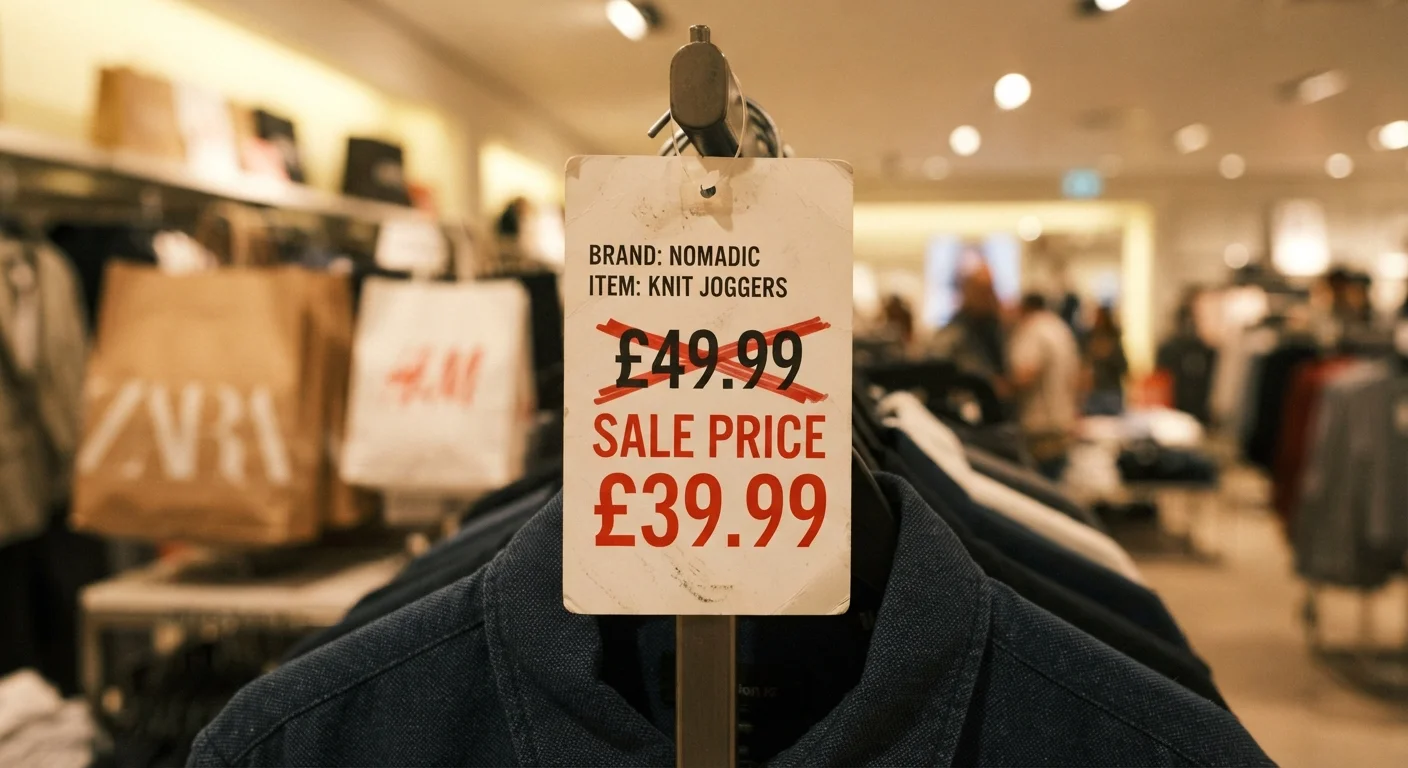
Photo: SaverSteals.com editorial
—— In This Article
Key Takeaways
- A 'sale price' is only meaningful if the original price was real and fair.
- Artificial reference prices, inflated MSRPs, and permanent 'sales' are common retail tactics.
- Comparing unit prices, checking price history, and reading total costs protects your budget.
- Urgency messaging is designed to override careful thinking — slow down before buying.
- A discount on something you don't need is still money spent, not saved.
How 'Sale' Framing Shapes What You Think You're Getting
The word sale does a lot of psychological work. It signals scarcity, urgency, and value — often before a shopper has any idea whether the underlying price is competitive. Retailers have refined these signals over decades, and the mechanics are worth understanding before you hand over your credit card.
At the core of most promotional pricing is a concept called reference price anchoring. When you see a price crossed out and replaced with a lower number, your brain uses that original figure as a baseline for value. The problem is that baseline is set by the seller — and it isn't always grounded in what the item actually sold for in the real market.
This doesn't mean every sale is a manipulation. Genuine markdowns happen constantly in retail, and understanding price cycles can genuinely help you time purchases well. But the habit of trusting the framing without verifying the numbers leaves shoppers consistently worse off. The sections below break down the most common mistakes — and how to sidestep them.
The Mistakes That Cost Shoppers Real Money
Each of the patterns below plays out in slightly different contexts — grocery aisles, online carts, holiday sales events — but they share a common thread: the sale framing is doing more work than the actual discount warrants.
Trusting the 'original price' without questioning whether it was ever real.
Why it happens: Shoppers naturally use the displayed reference price as an anchor, assuming it reflects what the item genuinely sold for. Retailers know this and sometimes set artificially high 'original' prices to make discounts appear larger.
Calculating savings as a percentage rather than in real dollars.
Why it happens: A '40% off' badge feels significant regardless of the absolute number. Forty percent off a $12 item is $4.80 — meaningful only if you actually needed the item.
Ignoring total cost by focusing only on the sticker discount.
Why it happens: Shipping fees, assembly costs, extended warranty upsells, and return-shipping charges often don't appear until checkout — by which point most shoppers are already committed psychologically.
Buying a larger quantity than needed just because the unit price is lower.
Why it happens: Bulk deals trigger a sense of smart shopping, but stocking up on items you'll never fully use, or that expire, turns a theoretical saving into a real loss.
Treating a sale as a reason to buy something that wasn't already on your list.
Why it happens: Promotions are designed to generate demand, not just reward existing intent. A discount reframes a want as a need — especially when framed as 'limited time.'
Assuming seasonal sales always represent the lowest price of the year.
Why it happens: Major shopping events get outsized media coverage, which reinforces the idea that their prices are uniquely low. In many categories, that's not accurate.
The same dynamic that applies to retail goods shows up in other buying contexts too. When comparing insurance options, for example, a low headline figure can obscure what you're actually paying — much like a discounted sticker price. The true cost of a health plan requires looking past the number that's most prominently displayed. Similarly, comparing auto insurance quotes meaningfully means looking at total value, not just the lowest price.
Building Habits That Work Against Sale Psychology
Avoiding these mistakes isn't about becoming a cynical shopper — it's about adding a short verification step before committing. A few practical anchors:
- Check price history first. Free tools exist that log price changes over time for major online retailers. A two-minute check often reveals whether a 'sale' is a genuine dip or the everyday price with a badge on it.
- Set a budget category, not a per-item limit. If your monthly discretionary spend is tracked, a tempting sale competes against that ceiling rather than against an abstract sense of whether you're getting a deal. The basics of budgeting make this discipline much easier to sustain.
- Use the unit price, not the total price. Especially for consumables, the unit price on the shelf tag is the only number that allows a fair comparison across sizes and brands.
- Read return policies before you buy. A discounted item you can't return at full value, or that carries a restocking fee, shifts the real cost of a mistake back onto you. Understanding return policies is part of assessing a deal's true value.
Reference Prices Can Be Misleading
Federal Trade Commission guidelines in the U.S. require that advertised 'was' prices reflect prices at which goods were genuinely offered for a meaningful period. In practice, enforcement is uneven, and inflated reference prices remain common. If a 'original price' seems implausibly high, treat it with skepticism and research the item's actual price history before deciding.
None of these habits require extensive research on every purchase. Applied selectively — to larger purchases or categories where you've noticed the gap between 'sale price' and satisfaction — they compound into meaningful savings over time without turning shopping into a chore.

Shopping Editorial Team
Shopping Editorial Team is the collective byline for our editorial team and contributor network. Articles published under this byline or an editorial pen name are researched, written, and reviewed according to our editorial standards for clarity, consistency, and independence before publication.
View author profile