
New Pet Owner Health Checklist: The First 90 Days
Vaccinations, microchipping, diet, vet registration — a practical checklist for the health tasks that matter most in your pet's first three months with you.
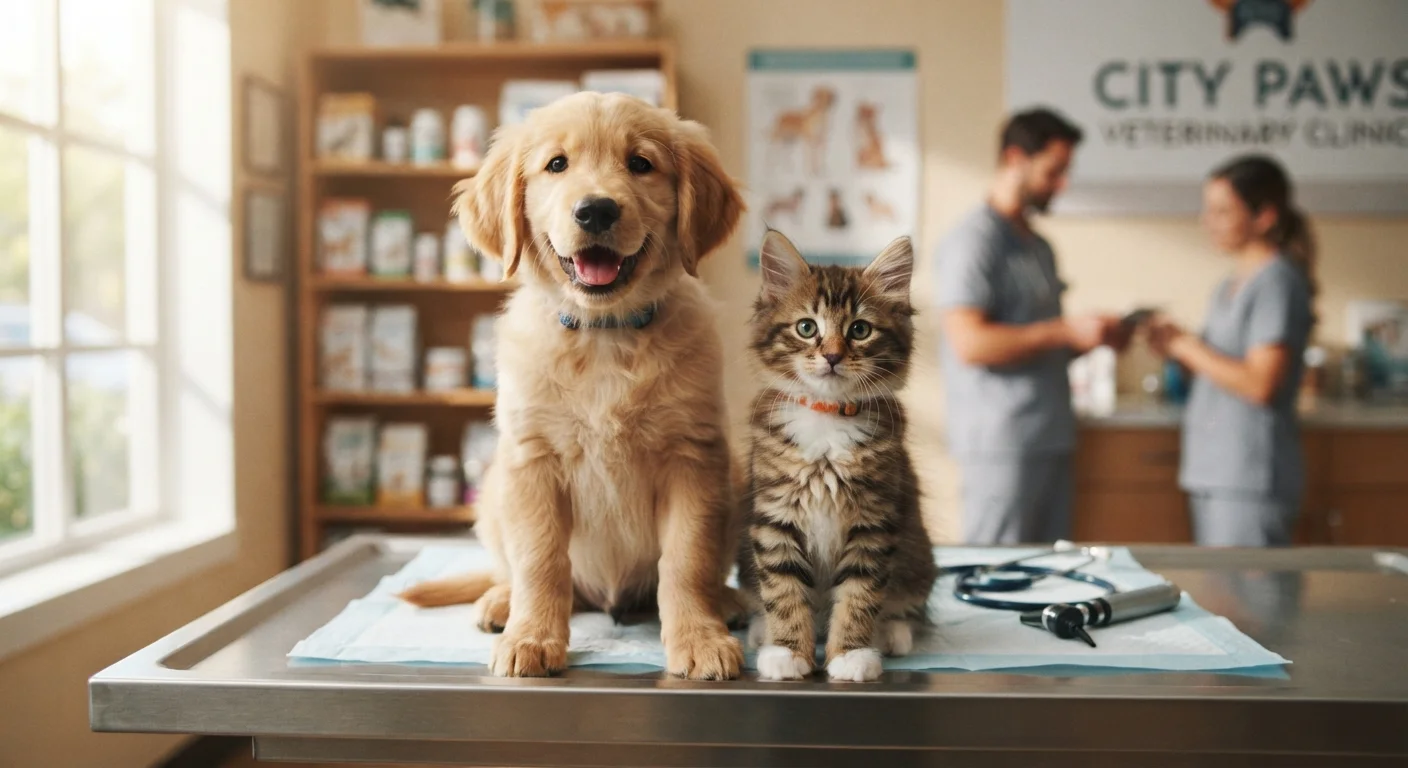
Photo: SaverSteals.com editorial
—— In This Article
Key Takeaways
- Schedule a veterinary wellness exam within the first week of bringing your pet home.
- Vaccinations, parasite prevention, and microchipping are non-negotiable early priorities.
- Establishing a consistent feeding routine supports digestive health from day one.
- Socialization and environment setup during the first 90 days shapes long-term behavior.
- Keep a written health log to track symptoms, medications, and vet visit notes.
Why the First 90 Days Are So Important
Bringing a new pet home is one of the most exciting moments in a pet owner's life — and also one of the most consequential for your animal's long-term health. The first three months establish baseline wellness, build immunity, shape behavior, and set the tone for your relationship with your veterinarian. Getting things right early can prevent problems that are far more difficult and costly to address later.
This checklist covers dogs and cats primarily, but many items apply broadly. If you've welcomed a bird, reptile, or small mammal, some specifics will differ — for example, see our guide on daily care for new bird owners for species-specific needs. For all pets, the principle is the same: proactive care in the first 90 days pays dividends for years to come.
Use this checklist as a working document. Print it, bookmark it, or save it somewhere accessible so you can check items off as you go. It's organized by category so you can tackle groups of tasks together rather than feeling overwhelmed.
See a Vet in the First Week
Even if your new pet looks perfectly healthy, a veterinary exam within the first seven days is essential. Many parasites, infections, and early health issues are not visible to the untrained eye. Early detection makes treatment easier and more effective — and your vet will tailor a preventive care plan specific to your pet's needs.
Tools and Resources You'll Need
Before working through the checklist, gather the essentials. Having these in place will make vet visits smoother and day-to-day care more consistent.
Veterinarian or Veterinary Clinic
Essential for wellness exams, vaccinations, parasite testing, and all medical guidance throughout the first 90 days.
Pet Health Record Folder
A physical or digital folder to store vaccination records, microchip registration, vet notes, and medication history.
Microchip Registration Account
Used to register your pet's microchip number with a national recovery database so your contact information is linked to the chip.
Flea, Tick, and Heartworm Preventives
Vet-recommended preventive products appropriate for your pet's species, weight, and local parasite risk.
Food Scale or Measuring Cup
Ensures accurate portion sizes to prevent overfeeding or underfeeding during your pet's growth and adjustment phase.
Pet First Aid Kit
A basic kit (gauze, antiseptic wipes, tweezers) for minor injuries before you can reach a vet.
The Complete First-90-Days Health Checklist
Work through these groups in order — veterinary setup first, then preventive care, then daily routines. Some items overlap in timing, so treat this as a flexible guide rather than a rigid sequence.
Veterinary Setup (Week 1)
Preventive Care (Weeks 1–4)
Nutrition and Feeding
Environment and Safety
Monitoring and Record Keeping
Don't Skip Parasite Prevention
Intestinal parasites, fleas, ticks, and heartworm are extremely common in newly adopted pets — including those from reputable shelters. Many parasites pose health risks to human family members as well. Never use over-the-counter parasite products without consulting your vet first, as some can be toxic to certain species or sizes of animals.
Once your pet is settled and these foundational tasks are complete, ongoing wellness becomes your focus. Our overview of what happens at an annual wellness exam will help you know what to expect at every future vet visit. And for those unexpected moments, it's worth reading up on safe home first-aid steps for pets so you're prepared before emergencies arise.
For broader guidance on enriching your pet's everyday life, explore our Pet Lifestyle hub and the full range of care and training resources in our Pet Care & Training hub.
This article is for general informational purposes only and is not a substitute for professional veterinary advice. Always consult a licensed veterinarian for guidance specific to your pet's health needs.

Pets Editorial Team
Pets Editorial Team is the collective byline for our editorial team and contributor network. Articles published under this byline or an editorial pen name are researched, written, and reviewed according to our editorial standards for clarity, consistency, and independence before publication.
View author profile