
Everything New Bird Owners Need to Know About Daily Care
From cage hygiene and diet basics to socialization and mental stimulation, a comprehensive introduction to responsible pet bird care.
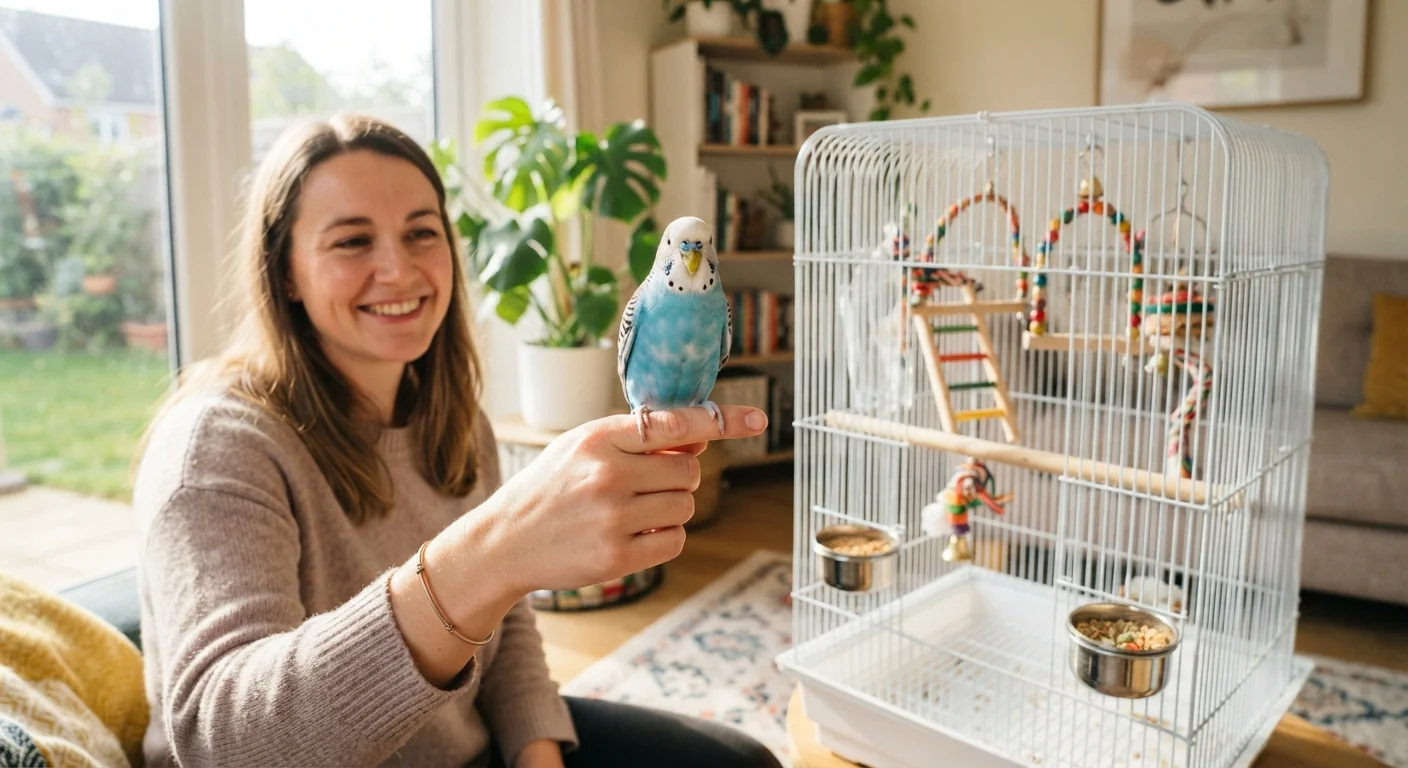
Photo: SaverSteals.com editorial
—— In This Article
Key Takeaways
- Cage size, placement, and enrichment directly affect your bird's physical and emotional wellbeing.
- A varied, pellet-based diet with fresh produce is generally recommended over an all-seed diet.
- Daily spot-cleaning and weekly deep-cleans help prevent bacterial and fungal illness.
- Birds are highly social animals — daily interaction is a non-negotiable part of care.
- Subtle behavioral changes are often the first sign that something is medically wrong.
- A consistent daily schedule reduces stress and builds trust between you and your bird.
Setting Up a Safe and Stimulating Cage
Before your bird arrives, the cage setup deserves serious attention — it's the environment your bird will spend most of its life in. Before you bring your bird home, review the new pet preparation checklist to make sure you haven't overlooked anything critical.
Choose the largest cage you can reasonably accommodate. Birds need room to stretch, flap, and climb — not just perch in one spot. Bar spacing matters too: bars spaced too widely can trap heads or wings. As a general guideline, bar spacing should be no more than half the bird's body width.
Placement is equally important. Position the cage away from drafts, direct air conditioning vents, and kitchens — fumes from non-stick cookware (polytetrafluoroethylene, or PTFE) can be fatal to birds even in small amounts. A room where the family gathers works well, since birds are social by nature.
Non-Stick Cookware Is a Serious Hazard
Fumes released by overheated non-stick (PTFE-coated) cookware can cause rapid respiratory failure in pet birds, often with little warning. Never use such cookware in a home with pet birds, and ensure the cage is kept well away from the kitchen. This is one of the most common — and preventable — causes of sudden bird death in domestic settings.
Inside the cage, vary perch textures and diameters to promote foot health. Include at least two or three toys, but rotate them regularly to prevent boredom. Foraging toys — those that make the bird work for a treat — are especially effective at providing mental stimulation.
What Pet Birds Actually Need to Eat
Diet is one of the most misunderstood aspects of bird ownership. Seeds are not a complete diet — they are high in fat and low in essential vitamins and amino acids. Most avian veterinarians recommend a high-quality pelleted diet as the nutritional foundation, supplemented with fresh vegetables, leafy greens, and limited fruit.
~75%
Pet birds fed primarily seeds
Avian nutrition studies consistently show the majority of pet birds are kept on seed-heavy diets, which are associated with vitamin A deficiency and shortened lifespans.
2–4 hrs
Recommended daily social interaction
Many avian behavior specialists suggest at least one to two hours of direct interaction daily, with sociable species like African grey parrots often needing more.
Safe vegetables include leafy greens like kale and romaine, carrots, bell peppers, and cooked sweet potato. Foods to avoid include avocado, onion, garlic, chocolate, caffeine, and anything containing xylitol — all of which are toxic to birds.
Fresh water should be available at all times and changed daily. Water dishes can harbor bacteria quickly, especially when food particles fall in. Many owners use both an open dish and a water bottle to encourage hydration.
Introduce new foods alongside familiar ones rather than replacing favorites outright. Eating is partly social for birds — try eating the new food yourself in front of them to spark curiosity.
Birds are more likely to try unfamiliar foods when they observe a trusted companion — human or otherwise — eating them first, a behavior rooted in flock feeding dynamics.
Establish a quiet, dimly lit wind-down period each evening about 30 minutes before covering the cage. This signals sleep time and reduces late-night agitation.
Birds benefit from 10–12 hours of uninterrupted sleep. A consistent pre-sleep cue helps regulate their circadian rhythm and supports hormonal balance.
Transitioning a seed-addicted bird to pellets can take time and patience. Work with your avian vet on a transition plan rather than making an abrupt switch, which can cause undue stress or refusal to eat.
Daily Cage Hygiene and Cleaning Habits
Cleanliness isn't just about aesthetics — it directly protects your bird's respiratory health. Birds are susceptible to bacterial, fungal, and yeast infections, many of which thrive in soiled environments.
A practical daily routine includes: removing and replacing cage liner paper, wiping down food and water dishes with hot water, and spot-cleaning any visible droppings on perches or toys. A weekly deep-clean should involve removing everything from the cage, scrubbing all surfaces with a bird-safe disinfectant, rinsing thoroughly, and allowing everything to dry completely before reassembling.
Make Cleaning Fast and Consistent
Keep a dedicated set of cage-cleaning supplies — sponges, a scrub brush, and a spray bottle of diluted bird-safe cleaner — stored right next to the cage. When everything is in reach, the daily routine takes under five minutes and is far easier to maintain.
Avoid harsh chemical cleaners, aerosol sprays, and scented candles near your bird at all times — their respiratory systems are extraordinarily sensitive. Unscented, diluted white vinegar is a widely used natural alternative, though always check with your vet for product recommendations.
Socialization and Mental Stimulation
Birds — especially parrots and cockatiels — are among the most cognitively complex pets you can own. Without regular social interaction and mental engagement, they can develop behavioral problems like feather-plucking, screaming, or aggression. These aren't personality flaws; they're signals of unmet needs.
Aim for at least one to two hours of out-of-cage time in a bird-proofed space each day. During this time, interact directly: talk to your bird, offer training exercises, or simply let it perch near you while you work. Even ambient interaction — being in the same room — provides meaningful stimulation.
For ideas on building this into a sustainable schedule, see our guide on building a daily routine your pet will thrive on.
“A bored parrot is a destructive parrot. Mental enrichment isn't a luxury — it's as essential as food and water for these highly intelligent animals.”
— Dr. Susan Clubb, Avian veterinarian and long-time exotic bird specialist
Recognizing Signs of a Healthy Bird
Birds instinctively hide illness — a survival trait from the wild that makes early detection genuinely challenging for owners. Learning what's normal for your specific bird is the most powerful monitoring tool you have.
Signs of good health include bright, alert eyes; smooth, well-groomed feathers; consistent appetite; regular, firm droppings; and active, curious behavior. Signs that warrant a vet call include fluffed feathers lasting more than a few hours, labored breathing, discharge from nostrils or eyes, sudden weight loss, or droppings that change dramatically in color or consistency.
An annual well-bird exam with an avian veterinarian is strongly recommended — even if your bird appears perfectly healthy. For a broader picture of what to prioritize in your pet's first months, the new pet owner health checklist offers a helpful framework.
Don't Wait to Call the Vet
Because birds hide illness so effectively, by the time symptoms are obvious, the condition may already be advanced. If something feels off — even if you can't name exactly what — contact an avian vet promptly. Early intervention almost always leads to better outcomes than a wait-and-see approach.
Building a Routine That Works for Both of You
Consistency is deeply reassuring to birds. A predictable daily schedule — regular feeding times, a set wake-up and wind-down routine, and reliable out-of-cage hours — helps your bird feel safe and reduces anxiety-driven behaviors.
The adjustment period after first bringing a bird home can take days to weeks. The first two weeks with a new pet are particularly important for building trust without overwhelming your bird. Patience and calm consistency matter more than any single technique.
It's also worth reading about what first-time pet owners wish they'd known — birds often surprise new owners with the depth of their emotional needs and intelligence. The more realistic your expectations, the more rewarding the relationship.
Explore more ideas for enriching everyday life with your bird in our Pet Lifestyle hub, and find vet-aligned guidance in our Pet Health hub.
This article is for general informational purposes only and is not a substitute for professional veterinary advice. Always consult a qualified avian veterinarian for guidance specific to your bird's health and care needs.

Pets Editorial Team
Pets Editorial Team is the collective byline for our editorial team and contributor network. Articles published under this byline or an editorial pen name are researched, written, and reviewed according to our editorial standards for clarity, consistency, and independence before publication.
View author profile