
Home First Aid for Pets: What You Can Safely Do Before Reaching a Vet
Minor injuries and emergencies happen. Know what safe first-aid steps look like for common situations — and when you need professional care immediately.
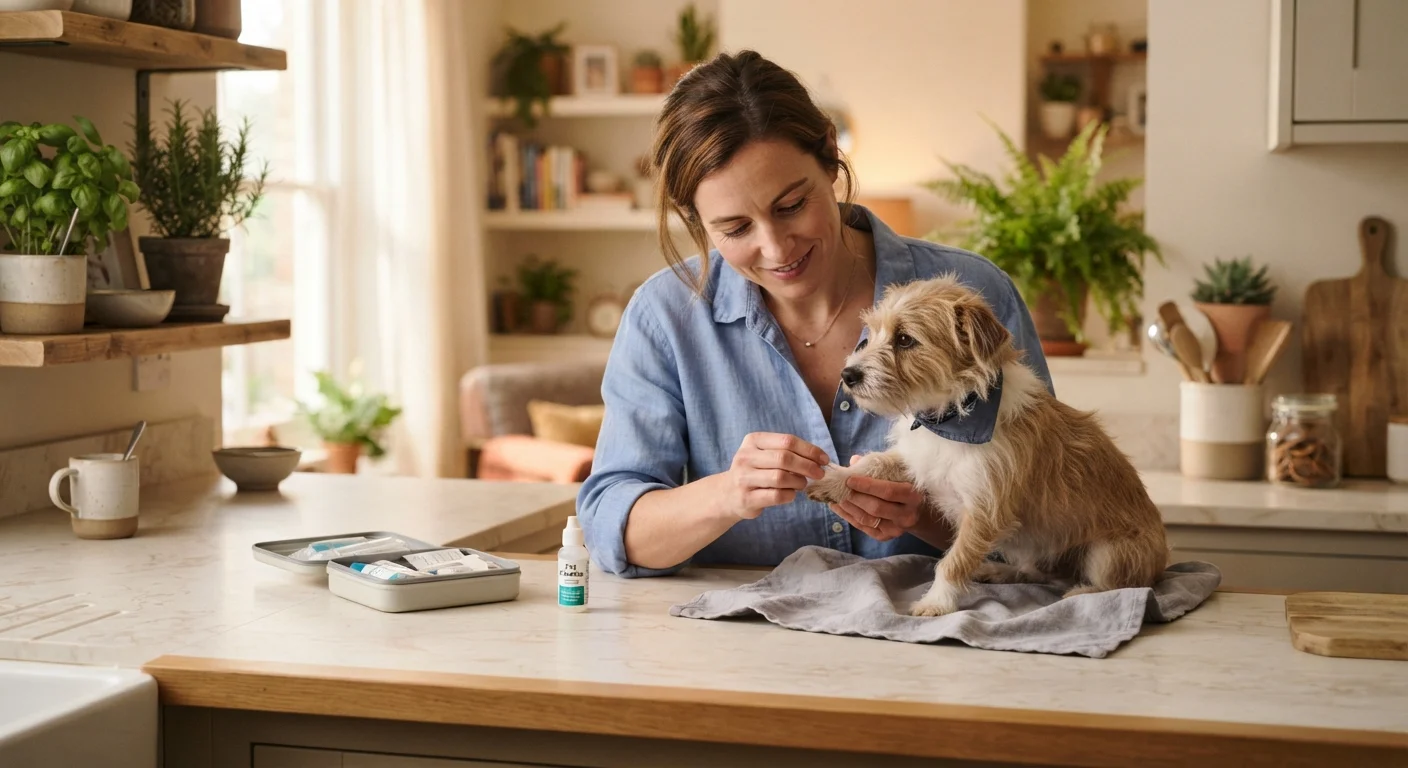
Photo: SaverSteals.com editorial
—— In This Article
Key Takeaways
- Home first aid buys time — it is never a substitute for professional veterinary care.
- Staying calm helps keep your pet calm and reduces accidental injury during treatment.
- Knowing when to go straight to an emergency vet is just as critical as knowing what to do at home.
- A simple pet first-aid kit can be assembled at home without special training.
- Never give human medications to pets without explicit veterinary guidance — many are toxic to animals.
Why Home First Aid Knowledge Matters
Emergencies rarely happen at a convenient time or close to a clinic. Whether your dog cuts a paw on a walk or your cat takes a tumble, having a basic understanding of first-aid principles can reduce harm and keep your pet stable in the minutes — sometimes longer — before you reach professional care.
That said, home first aid has firm limits. It is not a replacement for a veterinarian's assessment. Think of it the same way you'd think of putting pressure on a wound before an ambulance arrives: useful, important, but a bridge — not a destination.
If you're building out your overall pet preparedness plan, our new pet preparation checklist includes guidance on setting up a safe home environment before an emergency ever arises. And for a broader look at what new ownership really involves, first-time pet owners often wish they'd known about emergency planning earlier.
First Aid Is Not Veterinary Treatment
Everything in this guide is designed to stabilize your pet in the short window before professional care — not to replace it. Even if your pet appears to recover fully after a home first-aid response, a follow-up call or visit to your veterinarian is always the right next step. Some injuries and toxic exposures have delayed effects that are not visible without examination or diagnostics.
What to Have in a Home Pet First-Aid Kit
Before a crisis strikes, it's worth assembling a basic kit. Most items are inexpensive and widely available. Store everything in a clearly labeled container that's easy to locate under stress.
Sterile gauze pads and rolled gauze
Used to apply pressure to wounds and create temporary bandages.
Self-adhesive bandage wrap (vet wrap)
Holds gauze in place without sticking to fur or skin.
Digital rectal thermometer
Used to check your pet's temperature — normal range is roughly 100–102.5°F for dogs and cats.
Blunt-tipped scissors
Safely trims fur around a wound without risking a cut to the skin.
Sterile saline solution or wound wash
Flushes debris from minor cuts and abrasions without causing tissue damage.
Tweezers
Removes visible splinters or debris from superficial wounds.
Disposable gloves
Protects both you and your pet from cross-contamination during wound care.
Muzzle or soft restraint wrap
Prevents biting when a pet is in pain — even the gentlest animals may bite when scared or hurting.
Check your kit every six months and replace anything that has expired or been used. A good habit is to review it at the same time you schedule your pet's annual wellness visit — part of the broader health checklist every pet owner should work through.
Step-by-Step: Safe First Aid for Common Situations
The steps below cover the most common scenarios pet owners face at home. Always follow up with your veterinarian, even if your pet seems to have recovered — some injuries or toxic exposures have delayed effects that aren't immediately visible.
Stay calm and safely restrain your pet
Before touching an injured animal, take a slow breath. Pets read your anxiety and become more distressed when you're panicked. Speak in a low, even tone and approach slowly from the side rather than head-on.
If your pet is in pain, use a muzzle or wrap them gently in a towel to prevent biting — even a normally gentle dog or cat may snap when frightened or hurting. Do not restrain so tightly that you restrict breathing.
Assess the situation before acting
Take 30 seconds to look — not touch — before starting any treatment. Identify what happened, where the injury appears to be, and whether your pet is breathing normally and conscious. This quick scan helps you prioritize and avoids accidentally worsening an injury.
Check for signs that require immediate emergency transport: labored breathing, pale or bluish gums, collapse, seizures, suspected poisoning, or uncontrolled bleeding.
Control minor bleeding
For small cuts, scrapes, or torn nails, apply gentle, firm pressure using a clean gauze pad. Hold steady pressure for at least three to five minutes without lifting the pad to check — lifting disrupts clot formation.
Once bleeding slows, rinse the area gently with sterile saline, pat dry, and cover loosely with a gauze pad secured with vet wrap. Keep the bandage loose enough that you can slip two fingers underneath.
Flush and clean minor wounds
For surface scrapes, abrasions, or foreign debris in a wound, flush the area thoroughly with sterile saline or a veterinarian-approved wound wash. Avoid hydrogen peroxide or iodine at full concentration — these can damage tissue and slow healing.
Use blunt-tipped scissors to gently trim fur away from the wound edges if needed. After cleaning, cover with a non-stick gauze pad and vet wrap, and schedule a vet visit to determine whether antibiotics or further treatment are needed.
Handle suspected ingestion of a toxic substance
If you suspect your pet has eaten something toxic — a household plant, medication, cleaning product, certain foods like grapes or xylitol-containing items — do not wait for symptoms to appear. Symptoms may be delayed while harm progresses internally.
Contact the ASPCA Animal Poison Control Center (888-426-4435) or your nearest emergency veterinary clinic immediately. Have the product name or a photo of the plant ready. Do not induce vomiting unless a veterinarian or poison control specialist specifically directs you to — it can worsen some types of poisoning.
Provide comfort and monitor while you arrange veterinary care
Once you've applied first aid, keep your pet as still and warm as possible. Place them in a quiet, dim space away from other animals and loud sounds. Check their breathing, gum color (should be pink and moist), and level of alertness every few minutes.
Call your vet or an emergency animal clinic to describe what happened and what you've done. They can advise whether you need to come in urgently or can monitor at home, and help you prepare for the visit.
Practice Before You Need It
Reading about first aid is useful, but muscle memory matters in a real emergency. Consider asking your veterinarian about pet first-aid courses — many humane societies and community organizations offer them. Even a two-hour hands-on class can dramatically improve your confidence and effectiveness when it counts.
One persistent myth is that pets instinctively know how to heal themselves — for example, that licking a wound is beneficial. Evidence does not support this. For a deeper look at widespread misconceptions, see the truth behind common pet health myths.
When to Go Straight to an Emergency Vet
Some situations should bypass home treatment entirely. If your pet shows any of the following signs, go directly to an emergency veterinary clinic and call ahead if possible:
- Difficulty breathing — labored, noisy, or very rapid breathing
- Uncontrolled bleeding that doesn't slow within five minutes of firm pressure
- Loss of consciousness or seizure
- Suspected poisoning — contact the ASPCA Animal Poison Control Center (888-426-4435) or your nearest emergency vet immediately
- Suspected broken bones, especially if the limb is at an unusual angle
- Eye injuries of any kind
- Heatstroke — excessive panting, drooling, or collapse in hot conditions
When you do need to visit the vet, preparation can make the experience less stressful for everyone involved. Our guide on preparing your pet for a calm vet visit offers practical strategies worth reading before an emergency forces the trip.
Do Not Delay Emergency Care
Home first aid is a bridge, not a destination. Applying a bandage or flushing a wound is appropriate while you arrange transport — it should never replace or delay a necessary vet visit. When in doubt, call your veterinarian or an emergency animal clinic and describe what you're seeing. They can tell you how urgently your pet needs to be seen.
This article provides general educational information only and is not a substitute for professional veterinary advice, diagnosis, or treatment. Always consult a licensed veterinarian for your pet's specific health needs.

Pets Editorial Team
Pets Editorial Team is the collective byline for our editorial team and contributor network. Articles published under this byline or an editorial pen name are researched, written, and reviewed according to our editorial standards for clarity, consistency, and independence before publication.
View author profile