
Protein, Carbs, and Fat: How Each Macronutrient Works in Your Body
A clear breakdown of the three macronutrients, what roles they play in energy, growth, and repair, and why balance matters more than elimination.
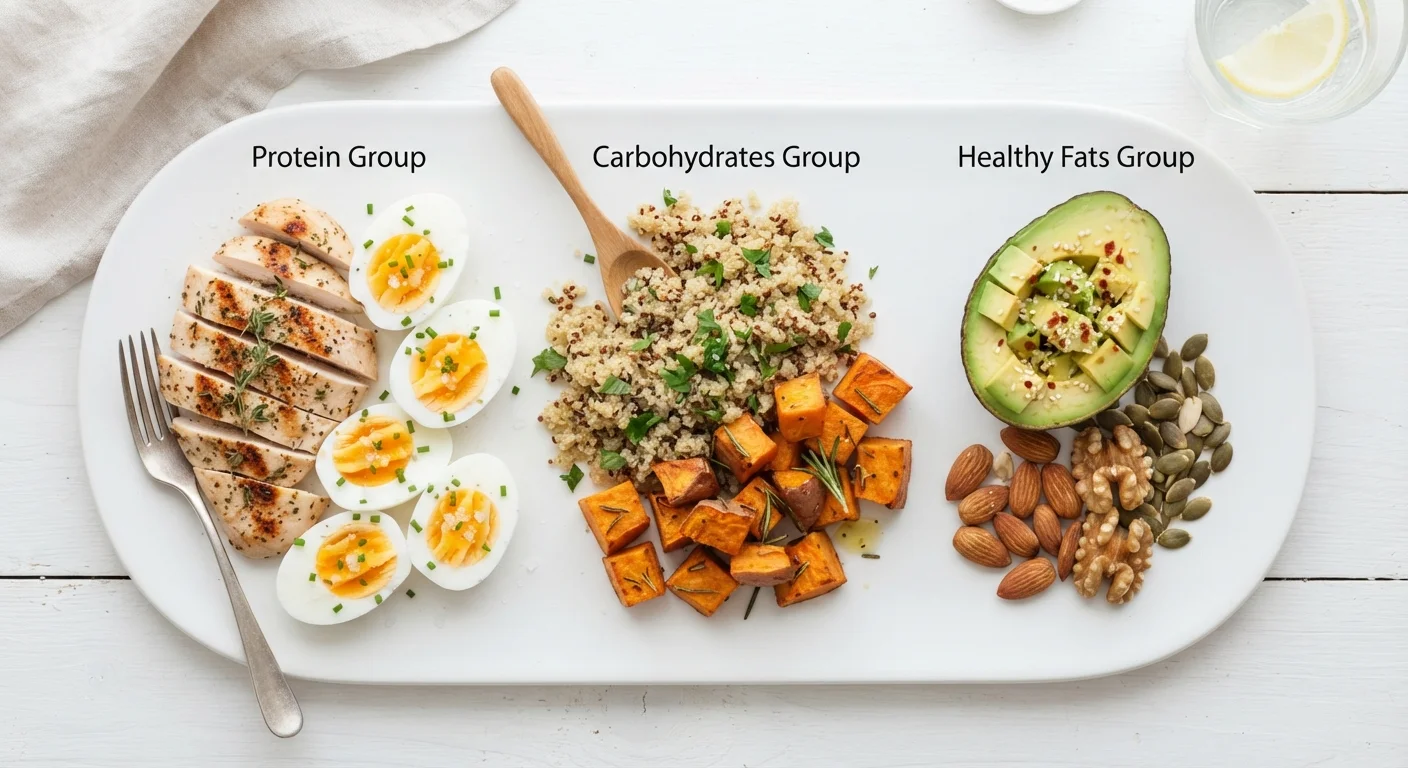
Photo: SaverSteals.com editorial
—— In This Article
Key Takeaways
- Protein builds and repairs tissues and plays a central role in immune function and hormone production.
- Carbohydrates are the body's preferred and most efficient fuel source, especially for the brain.
- Dietary fats support cell membrane integrity, fat-soluble vitamin absorption, and hormone synthesis.
- No single macronutrient is inherently harmful — quality, quantity, and overall dietary balance matter most.
- Eliminating an entire macronutrient group is rarely necessary and can create nutritional gaps.
Protein: Builder, Repairer, Regulator
Protein is composed of amino acids — organic compounds that serve as the body's primary construction material. When you eat protein, digestion breaks it down into individual amino acids that cells use to build and repair muscle tissue, synthesize enzymes and hormones, produce antibodies, and transport oxygen through the blood.
Of the 20 amino acids the body works with, nine are considered essential — meaning the body cannot manufacture them and must obtain them from food. Animal sources such as eggs, poultry, fish, and dairy supply all nine essential amino acids in adequate proportions and are termed complete proteins. Many plant sources — beans, lentils, tofu, tempeh, and certain grains — provide protein as well, though combining a variety of plant foods over the course of the day reliably covers all essential amino acids.
Protein's role extends well beyond muscle. It is central to immune function, fluid balance, and the chemical signaling that governs metabolism. See signs your diet may be missing key nutrients for indicators that protein intake may warrant a closer look.
Choosing Complete Protein Sources
If you follow a plant-based diet, you do not need to carefully pair complementary proteins at every single meal. Eating a varied range of legumes, whole grains, nuts, and seeds throughout the day reliably provides all essential amino acids. Foods like soy, quinoa, and edamame are among the plant sources that supply all nine essential amino acids on their own.
Carbohydrates: The Body's Primary Energy Source
Despite decades of diet-culture controversy, carbohydrates remain the body's preferred and most efficient fuel. When digested, carbohydrates are broken down primarily into glucose — the form of sugar cells use directly for energy. The brain, in particular, relies heavily on a steady glucose supply; it has limited capacity to run on alternative fuels over extended periods.
Carbohydrates fall into two broad categories: simple and complex. Simple carbohydrates — found in table sugar, white bread, and sweetened beverages — digest quickly and cause rapid rises in blood glucose. Complex carbohydrates — found in whole grains, legumes, vegetables, and fruits — digest more slowly due to their fiber content, providing steadier energy and supporting digestive health.
Dietary fiber, a form of carbohydrate the body cannot fully digest, deserves special attention. It feeds beneficial gut bacteria, helps regulate cholesterol levels, and supports satiety. Most Americans consume well below the recommended intake of fiber, according to federal dietary surveys.
< 10g
Average daily fiber intake for many American adults
Federal dietary surveys suggest most Americans consume far less than the recommended 22–34 grams of daily fiber, underscoring the importance of complex carbohydrate sources.
4 kcal/g
Energy yield from carbohydrates and protein
Both carbohydrates and protein provide approximately 4 kilocalories per gram, while fat provides about 9 — a difference relevant to understanding caloric density in foods.
9
Essential amino acids humans must get from food
Of the 20 amino acids involved in human physiology, nine cannot be synthesized by the body and must be consistently supplied through dietary protein sources.
For a broader view of how carbohydrate choices fit into structured eating patterns, comparing popular dietary approaches offers a research-grounded overview.
Dietary Fat: Essential, Not the Enemy
Fat is often framed as something to minimize, but it is indispensable to health. Every cell membrane in the body contains fat. Fat carries the fat-soluble vitamins A, D, E, and K from food into the bloodstream. It supports the production of hormones — including sex hormones and those that regulate inflammation — and insulates and protects vital organs.
The key distinction in fat science is type, not simply quantity. Unsaturated fats — monounsaturated and polyunsaturated — are found in olive oil, avocados, nuts, seeds, and fatty fish. Research consistently associates them with reduced cardiovascular risk. Saturated fats, found in red meat, full-fat dairy, and tropical oils, remain a subject of ongoing research; current guidance generally recommends moderate intake. Artificial trans fats, once common in processed foods, have been largely phased out of the U.S. food supply due to their established link to heart disease.
Fat also plays an important role in satiety — meals containing adequate fat tend to be more satisfying and may reduce the likelihood of overeating shortly after. You can learn how fat-soluble nutrient absorption connects to overall micronutrient status in our vitamins and minerals reference guide.
“The quality of fat in the diet, rather than the total amount of fat, is what most strongly influences long-term health outcomes. Replacing saturated fats with unsaturated fats has meaningful benefits for cardiovascular health.”
— Walter Willett, Professor of Epidemiology and Nutrition, Harvard T.H. Chan School of Public Health
Why Balance Matters More Than Elimination
Popular dietary trends often target one macronutrient for elimination — carbs are cut, fat is restricted, or protein is dramatically elevated. Research does not consistently support extreme elimination of any macronutrient as superior to a balanced approach for long-term health in most people. Each macronutrient performs functions the others cannot fully substitute for.
What the evidence does support is paying attention to quality within each category: whole grains over refined grains, unsaturated fats over trans fats, lean and plant-based proteins alongside animal sources. The grocery shopping with nutrition in mind walkthrough translates these principles into practical, aisle-by-aisle decisions.
Individual Needs Vary Significantly
The right macronutrient balance differs by age, activity level, metabolic health, pregnancy status, and medical history. General population guidelines are a useful starting point, but they are not prescriptions. If you have a specific health condition, are pregnant, or are managing weight under medical supervision, work with a registered dietitian or your healthcare provider to establish targets suited to your situation.
This article is for general informational and educational purposes only and is not a substitute for personalized medical or nutritional advice. Consult a registered dietitian or qualified healthcare provider before making significant changes to your diet.
Frequently Asked Questions

Health Editorial Team
Health Editorial Team is the collective byline for our editorial team and contributor network. Articles published under this byline or an editorial pen name are researched, written, and reviewed according to our editorial standards for clarity, consistency, and independence before publication.
View author profile