
Grocery Shopping With Nutrition in Mind: A Practical Walkthrough
From produce to packaged foods, a section-by-section approach to filling your cart with foods that support balanced, everyday eating.
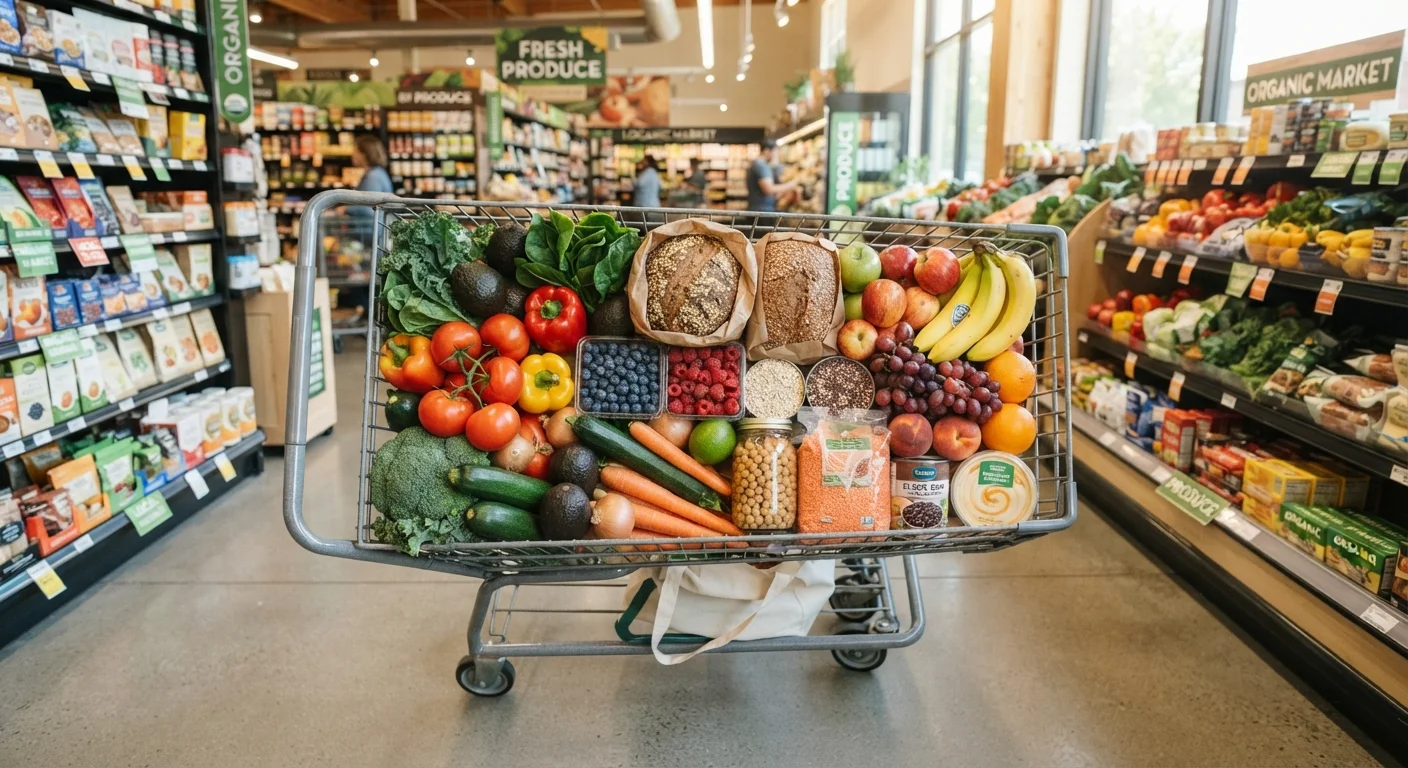
Photo: SaverSteals.com editorial
—— In This Article
Key Takeaways
- Shopping the store's perimeter first typically loads your cart with whole, minimally processed foods.
- Reading the nutrition label's ingredient list reveals the true nutritional picture beyond front-of-package claims.
- Frozen and canned produce can match fresh nutritionally when chosen with minimal added ingredients.
- Varying protein sources across the week — including plant options — supports broader nutrient coverage.
- A written meal-based list reduces impulse purchases and nutritional gaps before you enter the store.
Why a Section-by-Section Approach Works
Most supermarkets are designed to slow you down and expose you to as many products as possible — a reality worth understanding before you shop. Our article on how grocery store layout is designed against you explains the deliberate architecture at play. A section-by-section strategy counters that by giving you a clear nutritional intention for each area of the store before you reach it.
The broad principle: the store's perimeter — produce, proteins, dairy — tends to house whole, minimally processed foods. The interior aisles contain both useful staples and heavily processed items requiring more scrutiny. Moving with a plan through each zone helps you fill the cart intentionally rather than reactively.
What you will need
This walkthrough treats nutrition as a framework for everyday decision-making, not a strict prescription. Individual dietary needs vary widely. If you have specific health conditions, allergies, or therapeutic dietary requirements, consult a registered dietitian or your healthcare provider for personalized guidance.
Step-by-Step: Navigating the Store
Plan your meals before you enter the store
A rough outline of five to seven dinners — and a sense of what you'll eat for breakfasts and lunches — gives every item in your cart a purpose. Jot down the main ingredient for each meal, then build your list around those anchors. This approach naturally reduces impulse buys and ensures you leave with the protein, produce, and staples you actually need. See our guide on list shopping versus browsing for practical trade-off details.
Start in the produce section and build from color
Fruits and vegetables are the nutritional foundation of a balanced cart. Aim for a broad range of colors across the week: dark leafy greens (spinach, kale) supply folate and magnesium; orange and red produce (sweet potatoes, bell peppers) contribute beta-carotene and vitamin C; cruciferous vegetables like broccoli provide fiber and sulfur-containing compounds associated with cellular health. Variety across colors tends to deliver a wider spread of vitamins and minerals than sticking to one or two favorites. For a deeper look at which nutrients specific vegetables supply, our plain-language vitamins and minerals reference is a useful companion.
Choose whole grains over refined where practical
The grain aisle is where front-of-package claims can mislead. Words like "multigrain" or "wheat bread" do not guarantee a whole-grain product. Look for "whole wheat" or another whole grain listed as the first ingredient. Oats, brown rice, quinoa, barley, and whole-grain pasta are straightforward whole-grain choices. Whole grains retain the bran and germ removed during refining, preserving fiber, B vitamins, and minerals that matter for sustained energy and digestive health. Our article on whole grains versus refined grains explains exactly what processing removes.
Select varied protein sources
Protein variety across the week broadens your intake of amino acids, iron, zinc, and omega-3 fatty acids. Lean meats, poultry, eggs, fish (especially fatty fish like salmon or sardines), legumes, tofu, and low-fat dairy each bring a different nutritional profile. Legumes — dried or canned beans, lentils, chickpeas — double as fiber sources that support gut health. If you're exploring a reduction in animal-based proteins, our plant-based eating starter framework addresses common nutritional gaps to watch for.
Evaluate packaged foods by their ingredient lists
For any packaged item — sauces, snacks, cereals, condiments — flip to the back and scan the ingredient list before the Nutrition Facts panel. Ingredients appear in descending order by weight. If added sugars, sodium, or refined oils appear in the first three ingredients, consider whether this product serves your nutritional goals. Focus particularly on sodium in canned goods: rinsing canned beans under water removes a meaningful portion of added sodium. Shorter ingredient lists generally indicate less processing, though this isn't a universal rule.
Round out your cart with pantry staples that extend freshness
Olive oil, canned tomatoes, low-sodium broth, vinegars, dried herbs, and nut butters fill nutritional and culinary gaps throughout the week. These items don't spoil quickly and form the building blocks of many balanced meals. For guidance on which bulk or shelf-stable items are worth stocking versus which can quietly go to waste, see our pantry stocking guide. Once you're home, proper storage keeps everything you bought nutritious longer — our guide to keeping food fresh longer covers the fundamentals.
Pair Your Grocery Strategy With Your Activity Goals
The foods you buy should reflect how you're using your body. If you're active most days, adequate protein and complex carbohydrates become especially important to support recovery. Reviewing your weekly workout schedule before meal planning can help you shop with those energy and recovery needs in mind.
Nutrition that supports your activity level is worth thinking about holistically. If you're also building or refining a fitness routine, our complete guide to building a balanced weekly workout plan pairs well with a nourishing grocery strategy.
This article is for general informational purposes only and does not constitute medical or dietary advice. Consult a qualified healthcare professional before making significant changes to your diet, particularly if you have an existing health condition.

Health Editorial Team
Health Editorial Team is the collective byline for our editorial team and contributor network. Articles published under this byline or an editorial pen name are researched, written, and reviewed according to our editorial standards for clarity, consistency, and independence before publication.
View author profile