
Nutrition Myths That Science Has Largely Moved Past
From 'fat makes you fat' to 'you need eight glasses of water a day,' some long-held food beliefs don't hold up well under current research.
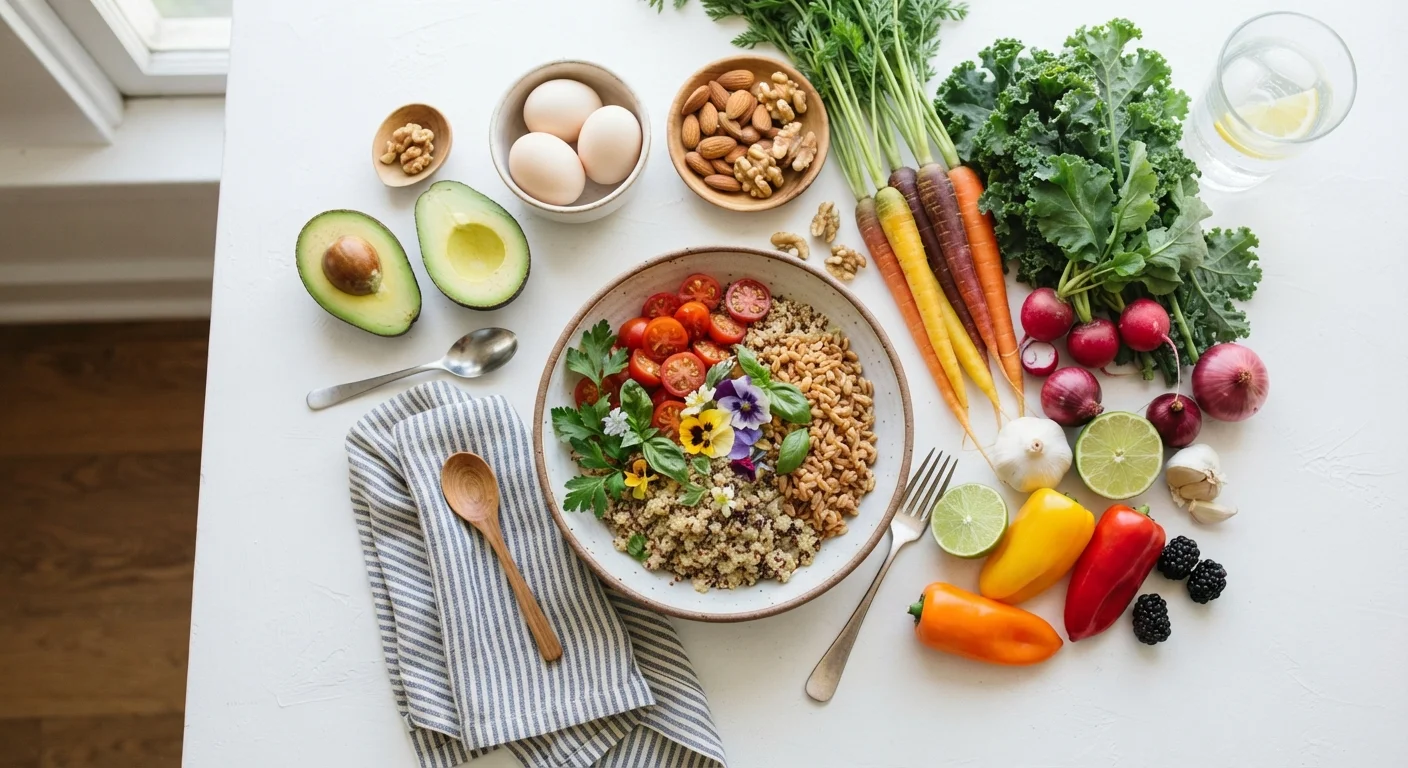
Photo: SaverSteals.com editorial
—— In This Article
Key Takeaways
- Dietary fat is not the primary driver of weight gain; total calorie balance and food quality matter more.
- The 'eight glasses of water a day' rule lacks a strong scientific basis — hydration needs vary by individual.
- Eating at night does not automatically cause fat storage; total daily intake is what matters most.
- Eggs are not the cardiovascular risk they were once assumed to be for most healthy adults.
- Carbohydrates are not inherently fattening; the type and quantity consumed are what research focuses on.
Why Nutrition Myths Persist
Nutrition science is genuinely complex, and its findings often get flattened into catchy rules that spread far faster than the corrections. Some of today's most common food beliefs originated from early research that was later revised, misinterpreted findings, or industry-influenced messaging that took hold before better data arrived.
The result: millions of people avoid entire food groups, obsess over meal timing, or chase hydration targets that were never firmly grounded in evidence. This article examines several of those beliefs and what the broader body of current research actually suggests. As always, this is general nutrition education — not personal dietary advice. For guidance tailored to your health history, consult a registered dietitian or your healthcare provider.
If you're also sorting through fitness misconceptions, see exercise myths that keep people from making real progress.
Common Nutrition Myths — Corrected
The following myths are among the most persistent in mainstream nutrition culture. Each has been challenged by a substantial body of peer-reviewed research.
Myth
Eating fat makes you fat.
Fact
Dietary fat does not directly translate to body fat. Weight change is primarily driven by overall calorie balance and diet quality.
The low-fat craze of the 1980s and 90s was rooted in early epidemiological data and amplified by food industry marketing. As fat was removed from packaged foods, sugar and refined carbohydrates often took its place — and obesity rates continued to climb. More recent research, including large meta-analyses, has found that dietary fat itself is not the culprit. In fact, unsaturated fats found in foods like nuts, avocados, and olive oil are associated with favorable cardiovascular outcomes. What matters more is the overall pattern of eating and total energy intake.
Myth
You need exactly eight glasses of water a day.
Fact
There is no single universal hydration target. Fluid needs depend on body size, activity level, climate, and diet — and food contributes meaningfully to daily intake.
The "8×8" guideline (eight 8-ounce glasses per day) is widely repeated but not backed by strong clinical evidence. Fluid requirements differ significantly from person to person. The U.S. National Academies of Sciences, Engineering, and Medicine has noted that adequate intake varies based on numerous factors, and that roughly 20% of daily water intake typically comes from food. Fruits, vegetables, soups, and many other foods contribute substantially to hydration. Thirst remains a reasonable guide for most healthy adults, though certain populations — including older adults and those with specific medical conditions — may need more deliberate attention to fluid intake.
Myth
Eating late at night causes weight gain.
Fact
The timing of eating has less impact on weight than overall calorie intake. Late-night eating is associated with weight gain largely because of what and how much people tend to eat, not the clock.
Human metabolism does not simply switch into fat-storage mode after a certain hour. The research on meal timing is nuanced: some studies on circadian biology suggest that meal timing can influence metabolic markers, but the effect size is generally modest compared to total calorie balance and food quality. Late-night eating tends to correlate with weight gain primarily because it often involves high-calorie, low-nutrient foods consumed out of habit or stress rather than hunger. Addressing those patterns matters more than imposing a kitchen curfew.
Myth
Eggs are bad for your heart because of their cholesterol content.
Fact
For most healthy adults, moderate egg consumption does not appear to significantly raise cardiovascular disease risk, according to current research.
Eggs fell from favor largely because of their dietary cholesterol content, following early research suggesting a direct link between dietary cholesterol and blood cholesterol levels. Subsequent research has considerably complicated that picture. The liver produces cholesterol dynamically; for most people, dietary cholesterol has a smaller effect on blood LDL than saturated and trans fats do. Multiple large prospective studies have found no significant association between moderate egg intake (roughly one per day) and increased heart disease risk in healthy individuals. People with diabetes or specific lipid disorders should consult a healthcare provider, as their response to dietary cholesterol may differ.
Myth
Carbohydrates are inherently fattening and should be minimized.
Fact
Carbohydrates are not inherently fattening. The type, quality, and quantity consumed — alongside total caloric context — matter far more than the macronutrient category itself.
Low-carbohydrate diets can be effective for some people, but it does not follow that carbohydrates as a category are harmful. Whole food sources of carbohydrates — legumes, whole grains, fruits, and vegetables — are consistently associated with positive health outcomes in large population studies. Refined carbohydrates and added sugars are more legitimately linked to metabolic concerns. Lumping fiber-rich lentils and white-flour pastries into the same dietary category obscures more than it reveals. For a research-grounded comparison of eating frameworks including low-carb approaches, see popular dietary approaches compared.
~20%
Daily water intake from food
The U.S. National Academies of Sciences, Engineering, and Medicine estimates that roughly 20% of daily water intake typically comes from food rather than beverages.
3 in 4
Americans affected by dietary misinformation
A 2022 survey by the International Food Information Council found that roughly three in four Americans reported confusion about conflicting nutrition information.
Putting It Into Practice
Correcting a myth doesn't automatically tell you what to eat — it just clears the noise so better decisions become possible. Current nutritional science broadly supports eating a variety of minimally processed whole foods, including adequate protein, fiber-rich carbohydrates, and healthful fats, while being mindful of overall calorie balance. No single food or nutrient is a villain or a cure.
For a deeper look at how different structured eating frameworks compare in terms of evidence, see comparing popular dietary approaches. And if hydration has you curious about more than just water intake, hydration beyond water explores how food itself contributes to your daily fluid balance.
Nutrition Science Evolves — So Should Advice
What the research supported twenty years ago is not always what it supports today, and that's a sign of science working correctly — not a reason to distrust it. When a trusted guideline changes, it reflects better data and larger studies, not arbitrary reversals. Staying skeptical of absolute food rules, whether from media headlines or well-meaning relatives, is a healthy default. When in doubt about what eating pattern fits your specific health situation, a registered dietitian is your most reliable resource.
This article is for general informational and educational purposes only and does not constitute medical or dietary advice. Speak with a qualified healthcare professional or registered dietitian before making significant changes to your diet.

Health Editorial Team
Health Editorial Team is the collective byline for our editorial team and contributor network. Articles published under this byline or an editorial pen name are researched, written, and reviewed according to our editorial standards for clarity, consistency, and independence before publication.
View author profile