
Plant-Based Eating: A Starter Framework for Shifting Away from Meat-Heavy Meals
Not a strict rulebook — a practical introduction to incorporating more plant foods into everyday meals, with attention to common nutritional gaps.
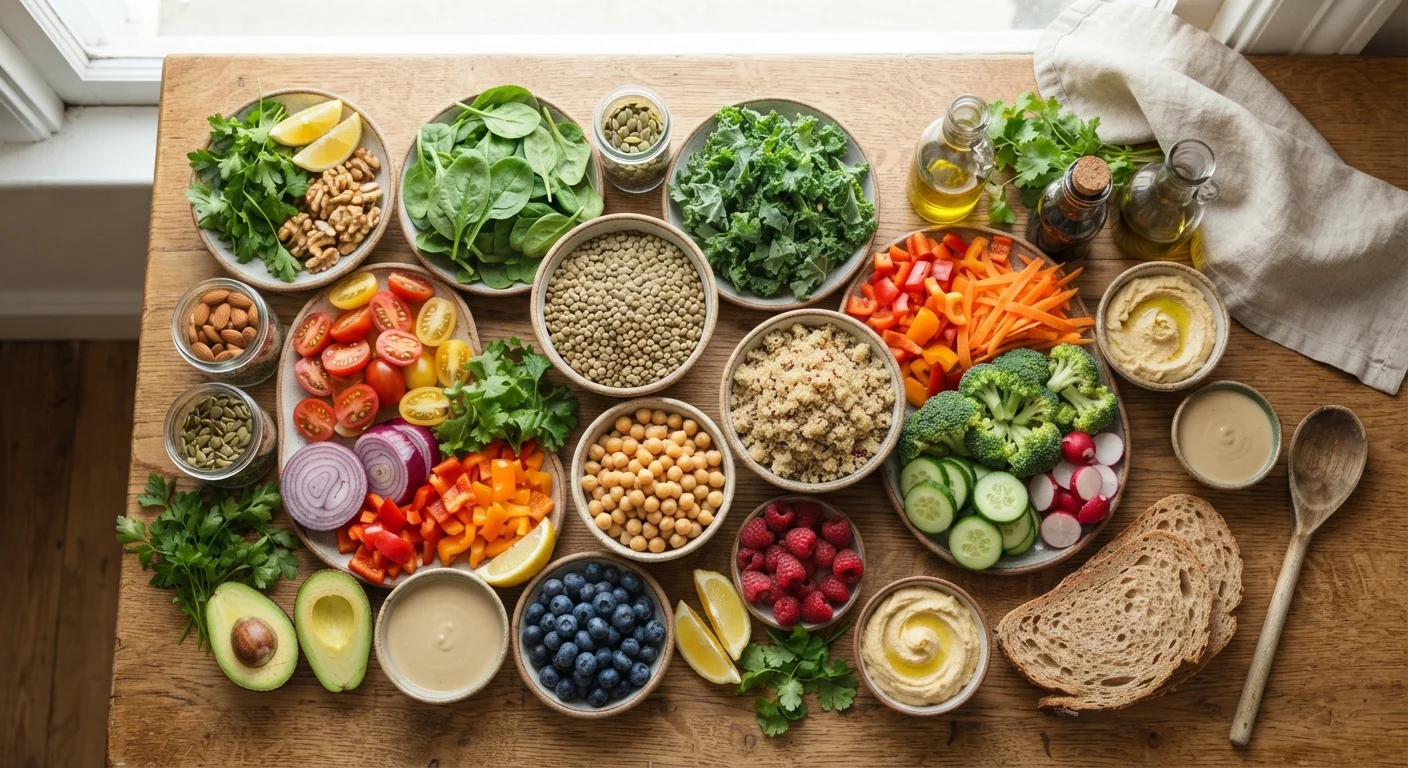
Photo: SaverSteals.com editorial
—— In This Article
Key Takeaways
- Plant-based eating exists on a spectrum — it doesn't require eliminating all animal products.
- Gradual substitution is more sustainable than an overnight dietary overhaul for most people.
- Protein, vitamin B12, iron, calcium, and omega-3s are nutrients that deserve extra attention.
- Whole plant foods — not just meat substitutes — should anchor a plant-forward diet.
- Anyone with a medical condition or special dietary need should consult a registered dietitian.
What Plant-Based Eating Actually Means
The phrase "plant-based" gets applied to everything from strict vegan diets to simply eating more vegetables alongside a burger. That's not a contradiction — it reflects a genuine spectrum. At its core, plant-based eating means structuring meals so that vegetables, fruits, legumes, whole grains, nuts, and seeds do the heavy lifting, with animal products playing a smaller or optional role.
Common approaches include:
- Flexitarian: Mostly plant foods with occasional meat or fish.
- Vegetarian: No meat or fish, but dairy and eggs are included.
- Vegan: No animal products at all.
- Mediterranean-style: Abundant plant foods with moderate fish and limited red meat.
None of these labels is required to benefit from eating more plants. Research consistently associates diets rich in whole plant foods with markers of cardiovascular health, metabolic function, and gut health — but the evidence points to patterns over time, not single foods or rigid rules.
Whole plant foods
Foods derived from plants that are minimally processed — vegetables, fruits, legumes, whole grains, nuts, and seeds in roughly their natural state.
Legumes
A family of plants whose seeds are eaten as food, including beans, lentils, chickpeas, and peas. They are among the most protein-dense plant foods.
Non-heme iron
The form of iron found in plant foods. The body absorbs it less efficiently than the heme iron in meat, but absorption can be improved by pairing it with vitamin C.
Phytonutrients
Naturally occurring compounds in plants that contribute to their color and flavor. Many are associated with health-protective properties in research settings.
ALA (alpha-linolenic acid)
A plant-derived omega-3 fatty acid found in flaxseeds, chia, and walnuts. The body converts some ALA to EPA and DHA, but the conversion rate is limited.
Flexitarian
An informal term for a mostly plant-based diet that occasionally includes meat or fish, with no strict rules about frequency or quantity.
How to Start Without Overhauling Everything
Abrupt dietary overhauls tend not to stick. A more practical approach is gradual substitution — replacing one or two meat-heavy meals per week with plant-centered versions and building from there.
Concrete starting points:
- Swap ground beef in tacos or pasta sauce with lentils or black beans.
- Try a grain bowl (brown rice, roasted vegetables, chickpeas, tahini) in place of a usual meat dish.
- Build breakfast around oats, nut butter, or eggs rather than processed meats.
- Add a side of beans or edamame to meals where meat is already smaller in portion.
Just as building a new exercise habit benefits from a structured approach — see our starter framework for exercise beginners — dietary shifts work best when changes are incremental and sustainable.
Try a "swap first" approach
Rather than planning entirely new meals, identify two or three dishes you already enjoy and simply substitute the meat with a plant protein. Lentils in Bolognese, black beans in tacos, and chickpeas in curry are low-effort starting points that don't require new cooking skills.
Nutritional Gaps to Watch For
Plant-forward diets can be nutritionally complete, but a few nutrients deserve deliberate attention, especially when animal products are significantly reduced or eliminated.
- Vitamin B12
- Found almost exclusively in animal products. Anyone avoiding meat and dairy should discuss B12 supplementation with a healthcare provider — deficiency can cause neurological harm over time.
- Iron
- Plants contain non-heme iron, which is absorbed less efficiently than heme iron from meat. Pairing iron-rich foods (lentils, spinach, pumpkin seeds) with vitamin C improves absorption.
- Calcium
- Achievable without dairy through fortified plant milks, calcium-set tofu, and leafy greens like kale and bok choy.
- Omega-3 fatty acids
- Flaxseeds, chia seeds, and walnuts provide ALA (a plant omega-3), but conversion to the forms found in fish (EPA and DHA) is limited. Algae-based omega-3 supplements provide a direct plant source.
- Zinc and iodine
- Present in plant foods but at variable levels; iodized salt and seaweed are common sources. Those avoiding seafood and dairy should monitor intake.
Our plain-language vitamins and minerals reference covers each of these nutrients in more depth.
Building Balanced Plant-Forward Meals
A useful mental model for plant-forward meal construction:
- A protein anchor: Legumes, tofu, tempeh, edamame, seitan, or eggs (if included).
- A whole grain base: Brown rice, farro, quinoa, whole wheat pasta, or oats.
- Abundant vegetables: Aim for color variety — different pigments reflect different phytonutrients.
- A healthy fat source: Avocado, olive oil, nuts, or seeds.
- A flavor element: Herbs, spices, citrus, vinegar, or fermented condiments.
This structure works across cuisines — from a lentil dal with whole grain rice to a burrito bowl or a Mediterranean grain salad. Planning meals around this framework, rather than around a protein choice of meat, makes the transition feel less like restriction and more like expansion.
For practical shopping guidance, the nutrition-focused grocery walkthrough offers a section-by-section approach to filling your cart with foods that support this kind of eating.
Protein combining is less strict than once thought
Earlier nutritional guidance suggested plant proteins had to be combined at every meal to form "complete" proteins. Current research indicates that eating a variety of plant protein sources throughout the day — rather than at each sitting — is sufficient for most healthy adults. Variety over time matters more than precise pairing at each meal.
Common Pitfalls and How to Avoid Them
Even well-intentioned shifts toward plant-based eating can go sideways. Awareness of a few common patterns helps.
- Relying too heavily on processed meat substitutes. Packaged plant-based burgers and sausages are convenient, but many are high in sodium and ultra-processed. They work as occasional bridges, not dietary foundations.
- Eating fewer calories than needed without realizing it. Whole plant foods tend to be lower in calorie density. People who feel fatigued or hungry after switching should check whether overall intake is adequate — not just specific nutrients.
- Neglecting protein variety. Eating only one type of legume or skipping protein sources at some meals can create gaps. Rotating between lentils, beans, tofu, tempeh, and grains provides a broader amino acid profile.
- Assuming "plant-based" on a label means healthy. Cookies, chips, and sodas can all be vegan. Whole food choices remain the priority.
Highly restrictive diets need professional guidance
Children, adolescents, pregnant and breastfeeding individuals, and people managing chronic conditions have specific nutritional needs that a general framework cannot address. If you fall into any of these groups, work with a registered dietitian before significantly restructuring your diet.
This article is for general informational and educational purposes only and does not constitute medical or dietary advice. Individual nutritional needs vary. Consult a registered dietitian or qualified healthcare provider before making significant changes to your diet, especially if you have a medical condition, are pregnant, or are managing a chronic illness.
Frequently Asked Questions

Health Editorial Team
Health Editorial Team is the collective byline for our editorial team and contributor network. Articles published under this byline or an editorial pen name are researched, written, and reviewed according to our editorial standards for clarity, consistency, and independence before publication.
View author profile