
Personal Budgeting From the Ground Up
New to budgeting? This comprehensive introduction covers every essential concept, from tracking income to setting realistic spending limits.
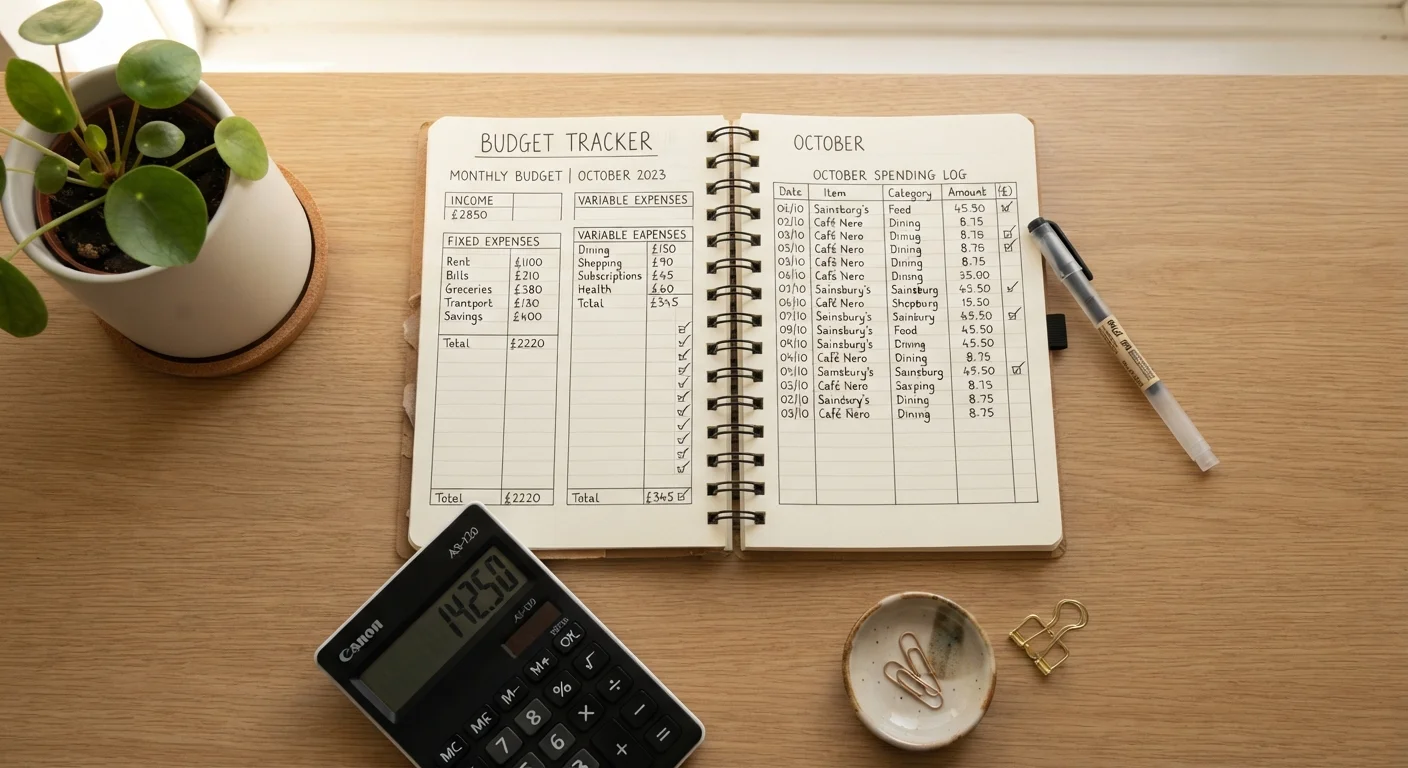
Photo: SaverSteals.com editorial
—— In This Article
Key Takeaways
- A budget is a forward-looking plan, not just a record of past spending.
- Knowing your exact take-home income is the essential first step.
- Fixed and variable expenses behave differently and need different strategies.
- No single budgeting method works for everyone — match the approach to your habits.
- Regular monthly reviews transform a budget from a document into a working tool.
What a Budget Actually Does
A budget is not a punishment or a record of past mistakes — it is a spending plan you write before money arrives. Its purpose is to give every dollar a destination so that your income serves your priorities rather than disappearing into unexamined habits.
At its core, a budget answers three questions: How much money is coming in? Where does it need to go? What is left for savings or discretionary use? When those three questions are answered in advance, you stop reacting to your bank balance and start directing it.
For anyone new to personal finance, starting here — with clear definitions and realistic expectations — is the most important step. See our complete budgeting reference if you want an end-to-end resource to accompany this guide.
Take-Home Income
The amount of money you actually receive after taxes and other deductions are removed from your gross pay. This is the figure a budget must be built around.
Fixed Expense
A recurring cost that stays the same each month, such as rent or a loan payment. Fixed expenses are predictable and easy to plan for.
Variable Expense
A recurring cost whose amount changes from month to month, such as groceries or utility bills. These require tracking to understand your true average spending.
Zero-Based Budgeting
A method where you assign every dollar of income a specific purpose — spending, saving, or debt repayment — so that income minus all allocations equals zero.
Discretionary Spending
Money spent on non-essential items and experiences — things you choose to buy rather than must buy. Entertainment, dining out, and hobbies are common examples.
Budget Buffer
A small amount set aside each month for unplanned or irregular costs. It prevents one unexpected expense from derailing the rest of your budget.
Know Your Numbers: Income and Expenses
Before writing a single spending limit, you need two figures: your total monthly take-home income and your total monthly expenses. Many people skip this step and wonder why their budget falls apart — estimates are almost always too optimistic.
Take-home income is what hits your bank account after taxes, benefits deductions, and any automatic contributions. If your income varies month to month, use a conservative average based on your last three to six months of deposits.
Expenses fall into two types:
- Fixed expenses — costs that are the same every month, such as rent, a car payment, or a fixed-rate loan. These are predictable and easy to plan around.
- Variable expenses — costs that change each month, such as groceries, utilities, fuel, and entertainment. These require tracking to understand your true baseline.
Pull three months of bank and credit card statements to find your real variable spending averages. Most people are surprised by what they find. For a structured framework on how to divide those expenses, explore core spending categories that work across most budgets.
Use Statements, Not Memory
When calculating your variable expenses, always pull actual bank and credit card statements rather than relying on estimates. Memory consistently underestimates spending — especially in categories like dining, subscriptions, and convenience purchases. Three months of real data gives you a reliable baseline to budget from.
Choosing a Budgeting Method
There is no universally correct way to budget — the right method is the one you will actually maintain. Three widely used frameworks each suit different personalities and financial situations.
- 50/30/20 Rule
- Allocate 50% of take-home income to needs, 30% to wants, and 20% to savings and debt repayment. Simple and flexible, this works well for people who prefer broad guardrails over granular tracking.
- Zero-Based Budgeting
- Every dollar of income is assigned a purpose — spending, saving, or debt repayment — until the budget reaches zero. This method demands more effort but gives complete visibility into where money goes.
- Pay-Yourself-First
- Transfer a set amount to savings immediately when income arrives, then budget freely with what remains. Prioritizes long-term goals and works well for people who struggle to save what is left over at month-end.
None of these approaches guarantees specific financial outcomes. Consider your income regularity, your tolerance for detailed tracking, and your primary financial goals before choosing. When you are ready to put a method into practice, our step-by-step monthly budget guide walks through implementation in detail.
Avoid Copying Someone Else's Budget
Budgeting frameworks shared online are starting points, not prescriptions. A 50/30/20 split may work perfectly for one household and be completely unworkable for another with high fixed costs or variable income. Always adjust any framework to reflect your actual numbers and priorities rather than treating the template percentages as rules.
Building a Spending Plan That Holds
A budget that looks perfect on paper but cannot survive contact with real life is not useful. Building one that holds means accounting for the irregular and the unexpected — not just the predictable monthly bills.
Two strategies make budgets more durable:
- Budget for irregular expenses. Annual costs like car registration, holiday gifts, or insurance premiums are not surprises — they are just infrequent. Divide each by 12 and set aside that amount monthly so the cash is ready when the bill arrives.
- Build a small buffer category. Even a modest allocation for miscellaneous or unexpected costs reduces the likelihood that one unplanned expense dismantles the entire plan.
Spending mindfully does not end with the budget document. The decisions you make at the point of purchase — whether grocery shopping, booking travel, or buying clothing — shape whether your plan succeeds. Practical smart shopping strategies can help you align day-to-day purchasing decisions with your budget goals.
A solid budget also supports progress on other financial fronts. If you are simultaneously working to build credit, see how to establish a credit profile from scratch, which pairs naturally with the savings habits a budget reinforces.
Reviewing and Adjusting Over Time
A budget is a living document. The numbers you start with are educated guesses; the numbers you land on after a few months of real tracking are data. Monthly reviews are what transform a budget from a wishful plan into a practical tool.
At the end of each month, compare what you planned to spend in each category with what you actually spent. Look for patterns: recurring overages in the same category usually signal that the limit needs adjusting, not that willpower needs strengthening. Life changes — a new job, a move, a growing family — also require deliberate budget revisions rather than hoping the old numbers still fit.
Use a monthly budget health check to structure this review process. Consistent review is also what keeps savings goals on track — for guidance on channeling those savings productively, explore saving and debt management strategies that complement a healthy monthly budget.
This article is for general informational and educational purposes only and does not constitute personalised financial advice. Please consult a qualified financial professional for guidance tailored to your individual circumstances.
Frequently Asked Questions

Finance Editorial Team
Finance Editorial Team is the collective byline for our editorial team and contributor network. Articles published under this byline or an editorial pen name are researched, written, and reviewed according to our editorial standards for clarity, consistency, and independence before publication.
View author profile