
Getting Started with Buying Books on a Tight Budget
New to finding cheap reads? This guide covers every approach worth knowing, from thrift shops to digital libraries, all in one place.
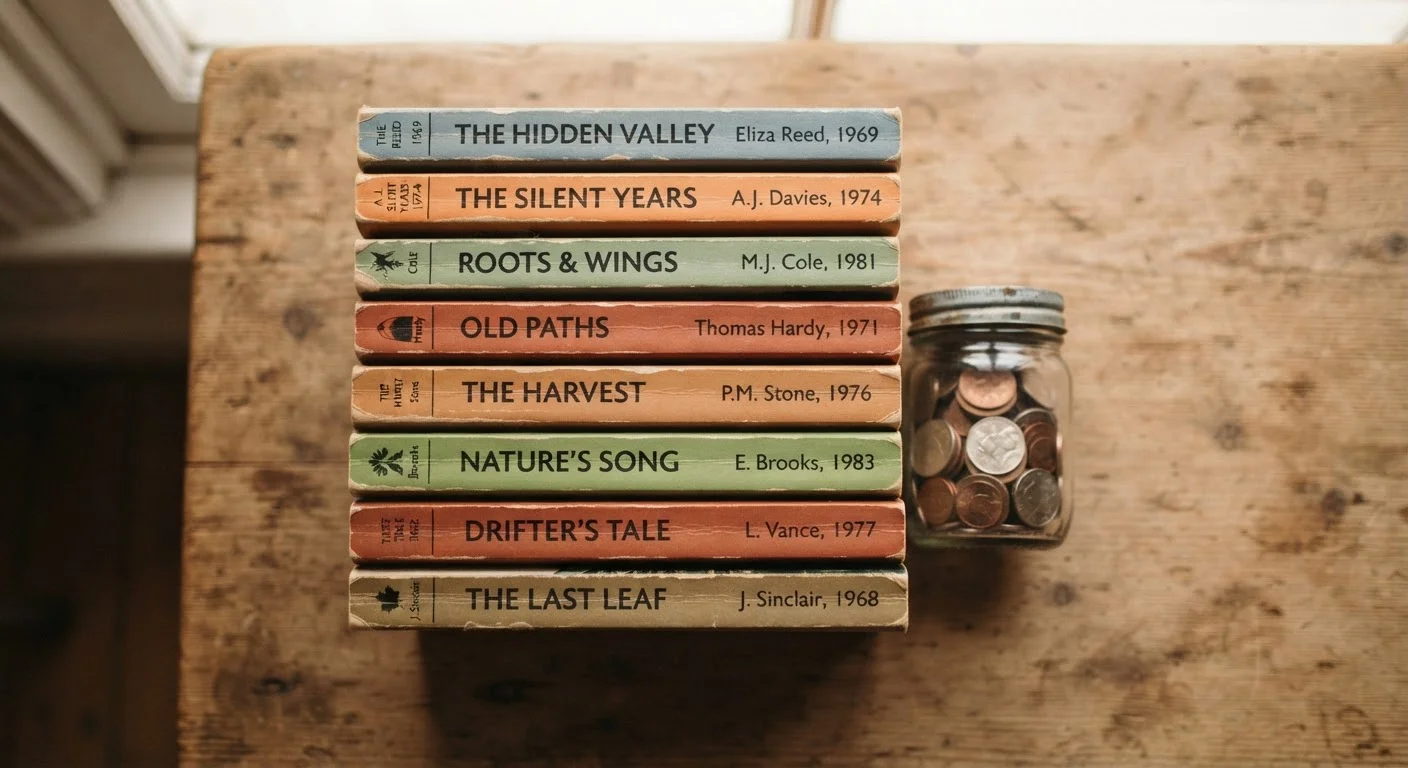
Photo: SaverSteals.com | Explore More. Shop Smarter. editorial
—— In This Article
Key Takeaways
- Your public library card unlocks free ebooks, audiobooks, and physical loans at no cost.
- Used books from thrift stores and secondhand marketplaces typically cost a fraction of retail price.
- Combining free borrowing with selective used-book purchases covers most reading needs affordably.
- Lesser-known channels - book swaps, library sales, university surplus - can cut costs further.
- Deciding in advance whether to borrow or buy prevents impulse spending on full-price titles.
Why Book Costs Add Up Faster Than Expected
A single new hardcover can run $28-$35 at retail. Read a book a week and that is a significant annual expense - one that catches many readers off guard. The good news is that the book market has more entry points for budget shoppers than almost any other category of consumer goods. Physical copies depreciate quickly, digital lending infrastructure is well established, and an entire ecosystem of secondhand channels exists specifically because books change hands so frequently.
This guide maps the most practical options, from zero-cost borrowing to deeply discounted purchases, so you can spend intentionally rather than reactively. For a broader look at every strategy in one place, see the complete guide to buying books without overspending.
Public domain
Works whose copyright has expired, meaning they can be freely reproduced, distributed, and downloaded without cost or legal restriction.
Digital lending
A system where libraries loan ebooks or audiobooks electronically to cardholders for a set period, after which access expires automatically.
Remainder books
New books that publishers sell off at steep discounts when a print run does not sell through at full retail price. Often identifiable by a small mark on the page edges.
Library book sale
A periodic sale run by a library or its support organization, offering donated and withdrawn library books to the public at very low prices.
Book swap
An informal or organized exchange where readers trade books they have already read, typically at no cost.
Start with Free: Libraries and Digital Lending
Before spending anything, exhaust the free tier. A public library card - free to obtain for residents - provides access to physical loans, ebooks, and audiobooks. Most US library systems use apps such as Libby or Hoopla to deliver ebooks and audiobooks directly to your phone, tablet, or e-reader. If you have never borrowed a digital book before, getting started with free library ebooks walks through the setup process step by step.
Beyond your local library, public-domain titles are legally available at no cost through archives like Project Gutenberg. These cover a wide range of classic literature, philosophy, and historical nonfiction. For a full picture of free reading options - including open-access academic content - explore the free reading options hub.
One card, multiple library systems
Many states allow residents to obtain cards from multiple library systems - for example, a county library and a city library - each with its own digital catalog. If a title has a long waitlist in one system, it may be available immediately in another. Check whether neighboring jurisdictions offer reciprocal borrowing privileges, which is common in many metro areas.
Buying Used: The Most Reliable Low-Cost Channel
When borrowing is not an option - because a title has a long waitlist, is not in the library system, or is something you want to own - used books are the practical next step. Thrift stores, charity shops, and library book sales routinely price paperbacks under two dollars and hardcovers under five. Condition varies, so a quick inspection of the spine, binding, and interior pages before purchasing saves disappointment.
Online secondhand marketplaces extend this further by aggregating seller inventory across the country. Shipping costs can erode savings on very cheap titles, so it is worth bundling purchases or filtering for listings that include free shipping. For a structured overview of every major channel - physical and online - see the at-a-glance channel reference.
Other Channels Worth Knowing
Several less obvious sources consistently yield low prices that most shoppers overlook. University surplus sales, community book swaps, and Little Free Libraries involve no cost at all. Friends-of-the-library organizations in many cities hold annual or semi-annual sales where entire bags of books can be purchased for a flat fee. Publisher remainder bins - found in discount retailers and some bookstores - carry overstock new titles at a fraction of original retail.
If you are curious about channels beyond the obvious ones, less obvious places to find deeply discounted books covers these in more detail.
Building Habits That Keep Costs Low
Strategy matters more than any single channel. A few durable habits make the difference between occasional savings and a consistently low book budget:
- Check the library first. Even a two-week waitlist is worth it for a title you are not in a rush to read.
- Decide borrow vs. buy before browsing. Having a default position prevents impulse purchases at full retail price. A realistic cost breakdown for borrowing vs. buying can help you set that default.
- Buy used as a second option, not a last resort. Treat retail price as the ceiling, not the starting point.
- Rotate channels. No single source has everything. Combining the library, thrift stores, and an occasional online used purchase covers most reading needs without relying on any one platform.
Getting comfortable with these habits takes a little adjustment, but the savings compound quickly over a year of regular reading.
Frequently Asked Questions
Books Editorial Team
Books Editorial Team is the collective byline for our editorial team and contributor network. Articles published under this byline or an editorial pen name are researched, written, and reviewed according to our editorial standards for clarity, consistency, and independence before publication.
View author profile