
Keeping Your Kitchen Sponge From Becoming a Germ Factory
Kitchen sponges harbor bacteria fast. Here's what actually works to keep them cleaner—and when it's simply time to replace one.
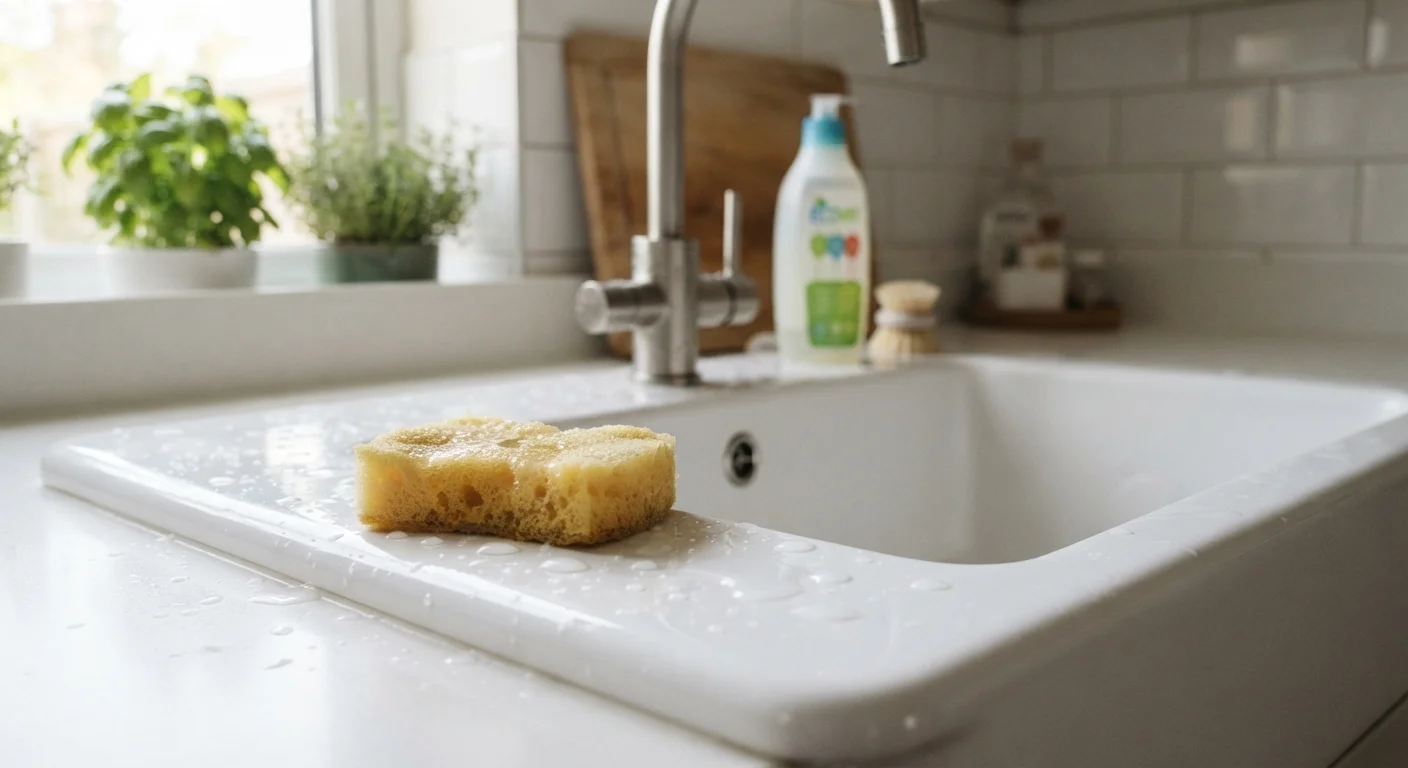
Photo: SaverSteals.com editorial
—— In This Article
Key Takeaways
- Kitchen sponges can accumulate bacteria rapidly, especially when left wet between uses.
- Microwaving or boiling a damp sponge can reduce bacterial load, but neither method eliminates all pathogens.
- Replacing your sponge every one to two weeks is a reliable baseline for most households.
- How you store and dry a sponge between uses matters as much as how you sanitize it.
- Certain kitchen tasks — like wiping up raw meat juices — warrant immediate sponge replacement.
Why Kitchen Sponges Get Dirty So Fast
A kitchen sponge checks every box a microorganism could want: moisture, warmth, food residue, and a porous structure that's nearly impossible to rinse clean. Research has shown that sponges can harbor a wide variety of bacteria, including some strains associated with foodborne illness. The problem isn't just what the sponge picks up — it's that the interior of a sponge stays damp long after the surface appears dry, giving bacteria time to multiply between uses.
Unlike hard kitchen surfaces, a sponge's nooks and crannies make it genuinely difficult to sanitize thoroughly. This is why understanding what actually works matters more than simply scrubbing harder or rinsing longer. For a broader look at which cleaning habits hold up to scrutiny, see our Household Cleaning Myths That Waste Your Time and Money.
Practices That Can Genuinely Reduce Bacterial Load
A few evidence-informed techniques can meaningfully reduce the bacteria in a kitchen sponge — though none makes a sponge sterile.
Microwave a soaking-wet sponge for one to two minutes to reduce bacterial load.
Heat kills a significant proportion of bacteria in a sponge. The key is that the sponge must be fully saturated — a dry or barely damp sponge can scorch or catch fire in a microwave. This method doesn't sterilize, but studies suggest it can reduce bacterial counts substantially.
Run your sponge through the dishwasher's hot-water cycle regularly.
Dishwasher cycles that reach high-heat drying temperatures can reduce bacteria similarly to microwaving, with less hands-on effort. This works best when the dishwasher uses a heated dry setting rather than air-dry only.
Wring out the sponge completely and store it somewhere it can air-dry between uses.
Bacteria thrive in moisture. A sponge left in a puddle of water at the bottom of a sink stays wet far longer than necessary, giving microorganisms more time to multiply. Proper drying between uses slows this process considerably.
Use separate sponges for separate tasks — one for dishes, one for counters.
Using one sponge to wipe counters and then wash dishes transfers whatever is on the counter — crumbs, raw food residue, cleaning product residue — directly to your dishes and vice versa. Dedicated sponges limit cross-contamination.
Soak sponges in a diluted bleach solution when deeper disinfection is needed.
A dilute bleach solution (typically around one tablespoon of bleach per quart of water, though always follow product label guidance) can be effective for disinfecting sponges. This approach is worth reserving for situations where contamination risk is higher, such as after handling raw proteins.
Incorporating sponge care into a consistent kitchen routine helps. For ideas on building habits that stick, visit our home cleaning routine guide.
Quick Actions You Can Take Today
When to Stop Cleaning and Just Replace It
No sanitizing method compensates for a sponge that's past its useful life. Most household sponges should be replaced every one to two weeks under regular use — sooner if any of the following apply:
- The sponge has been used to wipe up raw meat, poultry, or fish juices.
- It smells sour or musty even after being rinsed and dried.
- It's visibly deteriorating or has developed discoloration that doesn't wash out.
- A household member is immunocompromised, elderly, pregnant, or very young.
Higher-Risk Households: Be More Cautious
In households that include infants, elderly individuals, pregnant people, or anyone with a compromised immune system, the usual one-to-two-week replacement window is worth tightening. Consider replacing sponges more frequently and avoiding using a sponge at all for surfaces that contact ready-to-eat foods. When in doubt, consult a healthcare professional about food safety practices appropriate for your household's specific situation.
Sponge hygiene is just one piece of keeping a kitchen safe. Proper food storage is equally important — our guide to keeping food fresh longer covers refrigerator zones, containers, and more.

Shopping Editorial Team
Shopping Editorial Team is the collective byline for our editorial team and contributor network. Articles published under this byline or an editorial pen name are researched, written, and reviewed according to our editorial standards for clarity, consistency, and independence before publication.
View author profile