
Bluetooth Versions and What the Numbers Tell You
Bluetooth 5.0, 5.3, LE Audio — the version numbers on device specs aren't just marketing. Here's what each generation actually improves.
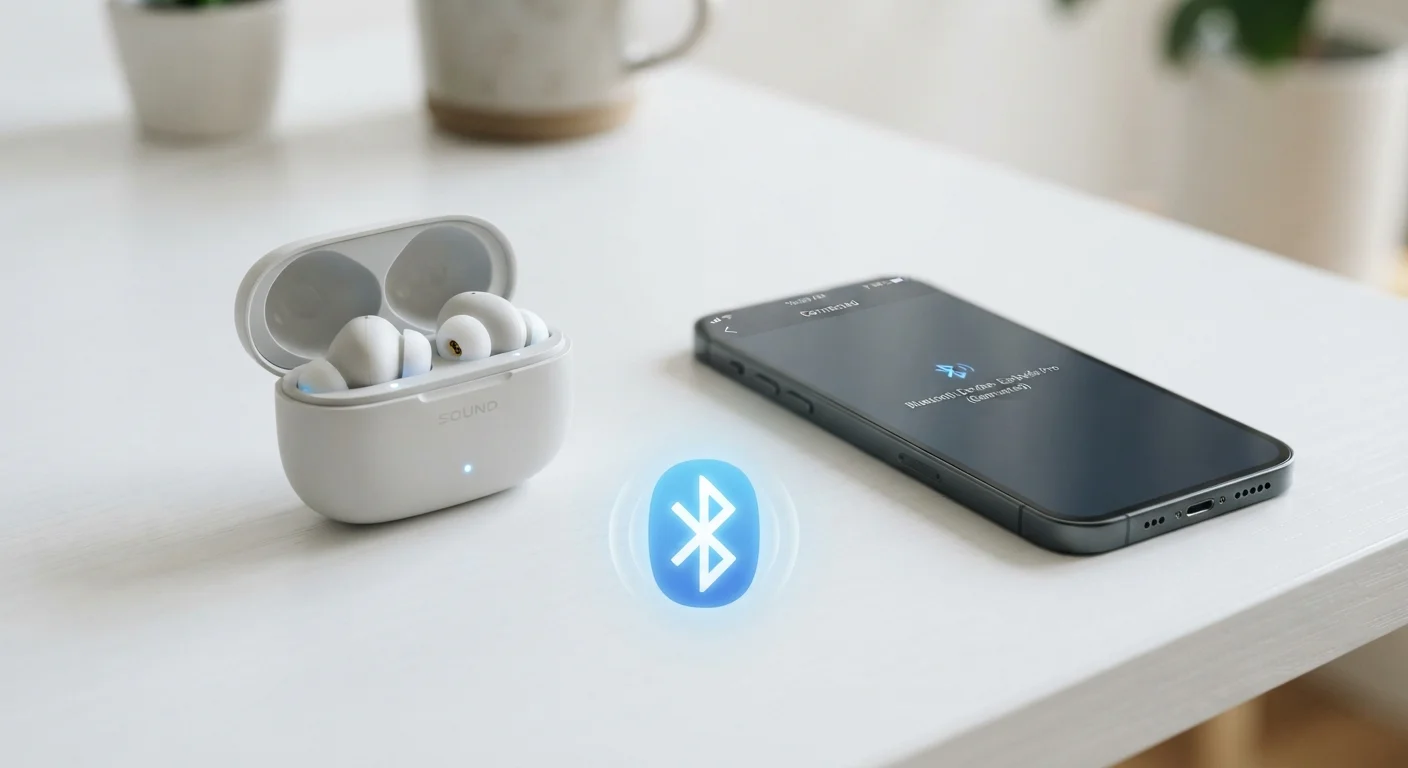
Photo: SaverSteals.com editorial
—— In This Article
Key Takeaways
- Bluetooth version numbers indicate real, measurable improvements in range, speed, and battery efficiency.
- Bluetooth 5.0 doubled the range and quadrupled the data speed of Bluetooth 4.2.
- LE Audio, introduced with Bluetooth 5.2, enables higher-quality wireless audio at lower power consumption.
- Backward compatibility means newer devices can connect to older ones, but you won't get the newer features.
- For most consumers, Bluetooth 5.0 or higher is a meaningful threshold worth looking for in electronics.
Why Bluetooth Version Numbers Actually Matter
When you scan a product's spec sheet and see "Bluetooth 5.3," it's easy to dismiss it as another meaningless marketing number. It isn't. Bluetooth version numbers map directly to the capabilities defined by the Bluetooth Special Interest Group (Bluetooth SIG), the industry body that governs the standard. Each version upgrade addresses specific engineering limitations of the previous generation.
The progression from Bluetooth 4.x to 5.x, and onward through incremental 5.x releases, delivered concrete improvements in four areas: range, data throughput, power consumption, and audio capability. Understanding what changed at each step helps you evaluate whether a version difference actually affects the way you'll use a device.
This is similar in principle to Wi-Fi frequency bands — technical specifications that look like jargon but reflect real-world performance trade-offs. See our Wi-Fi frequency bands explainer for a comparable breakdown of that standard.
The Leap from Bluetooth 4.x to 5.0
Bluetooth 4.0 introduced Bluetooth Low Energy (BLE), a mode designed for devices that transmit small amounts of data and need to preserve battery life — think fitness trackers and smartwatches. Versions 4.1 and 4.2 refined this with better coexistence with LTE radios and improved data transfer speeds.
Bluetooth 5.0, released in 2016, was the most significant jump in years. Its headline improvements:
- Range: Up to 4× the range of Bluetooth 4.2 in open-air conditions — theoretically up to 800 feet, though real-world performance is shorter and affected by walls, interference, and device hardware.
- Speed: 2× the data bandwidth of Bluetooth 4.2 in its standard mode, with the option of prioritizing range over speed or speed over range depending on the use case.
- Broadcasting capacity: 8× more data can be included in advertising packets, useful for location beacons and IoT sensors.
4×
Range increase from Bluetooth 4.2 to 5.0
As specified by the Bluetooth SIG in the Bluetooth 5.0 core specification, maximum theoretical range increased from approximately 200 feet to 800 feet in open-air conditions.
2×
Data throughput improvement in Bluetooth 5.0
Bluetooth 5.0 doubled the data bandwidth available in its high-speed mode compared to Bluetooth 4.2, according to the Bluetooth SIG specification.
50%
Bitrate reduction possible with LC3 codec
The LC3 codec introduced with LE Audio in Bluetooth 5.2 can achieve comparable perceived audio quality at roughly half the bitrate of the older SBC codec, according to Bluetooth SIG published research.
For consumers, Bluetooth 5.0 was meaningful for wireless audio stability, especially for earbuds that use one earbud as a relay for the other. It reduced dropouts in real-world environments.
Bluetooth 5.1, 5.2, and 5.3: What Each Refined
Bluetooth 5.1 added direction finding — the ability to pinpoint a device's location to within centimeters rather than meters. This matters most for asset tracking products and precision location tools rather than everyday audio devices.
Bluetooth 5.2 was a more consumer-relevant update because it introduced the LE Audio framework. LE Audio includes:
- The LC3 codec (Low Complexity Communication Codec), which delivers high audio quality at lower bitrates, reducing battery drain compared to the older SBC codec.
- Auracast broadcast audio, which allows a single transmitter to share audio with multiple receivers — think public audio broadcasts or hearing loop systems.
- Better support for hearing aids, with standardized hearing aid audio profiles.
Check for LE Audio Specifically
Not every device with a Bluetooth 5.2 or 5.3 label supports LE Audio — it requires specific hardware and firmware implementation. If LE Audio features like Auracast or LC3 codec support matter to you, look for explicit LE Audio support listed in the device's specifications rather than relying on the version number alone.
Bluetooth 5.3, released in 2021, focused on reliability and coexistence. It improved how Bluetooth manages connections in congested radio environments — useful in dense urban apartments or offices with dozens of wireless devices competing for spectrum. It also reduced the frequency of connection events, which can extend battery life on connected peripherals.
What This Means When You're Reading Specs
A few practical rules of thumb when evaluating Bluetooth specs on a device:
- Bluetooth 5.0 or higher is a reasonable baseline to look for in wireless earbuds, speakers, and peripherals if you want stable connections and decent range.
- LE Audio support (tied to 5.2+) is worth noting specifically for hearing aid users, anyone interested in multi-listener audio sharing, or those who prioritize battery longevity in audio devices.
- Version alone doesn't determine audio quality. The audio codec (aptX, AAC, LDAC, LC3) and the hardware implementation matter just as much. A device can support Bluetooth 5.3 but still use a basic codec.
- Backward compatibility is real. Your Bluetooth 5.3 phone will connect to your old Bluetooth 4.2 speaker without issue — but you won't get 5.3-era benefits on that older device.
When manufacturers list Bluetooth version numbers in their marketing, the version is verifiable through Bluetooth SIG's product database — a useful check if you want to confirm a claim.
Frequently Asked Questions

Shopping Editorial Team
Shopping Editorial Team is the collective byline for our editorial team and contributor network. Articles published under this byline or an editorial pen name are researched, written, and reviewed according to our editorial standards for clarity, consistency, and independence before publication.
View author profile