
Key Takeaways
Summary
28 items · 45-90 minutes
Why Preparation Is the Real Black Friday Advantage
Black Friday isn't a spontaneous event - it's a high-stakes inventory clearance engineered by retailers to move specific SKUs at specific margins. The shoppers who consistently win aren't luckier; they're more prepared. They've already benchmarked prices, locked in cashback rates, and know exactly which cart to open first when the clock strikes midnight.
This checklist is built around one principle: every action you take before sale day compresses the decisions you have to make during it. The goal is to walk into Black Friday with a system, not a vague intention to "look for deals."
If you're building your actual shopping list from scratch, start with Building a Black Friday Shopping List That Actually Works before running through this prep checklist. The two documents are designed to work together.
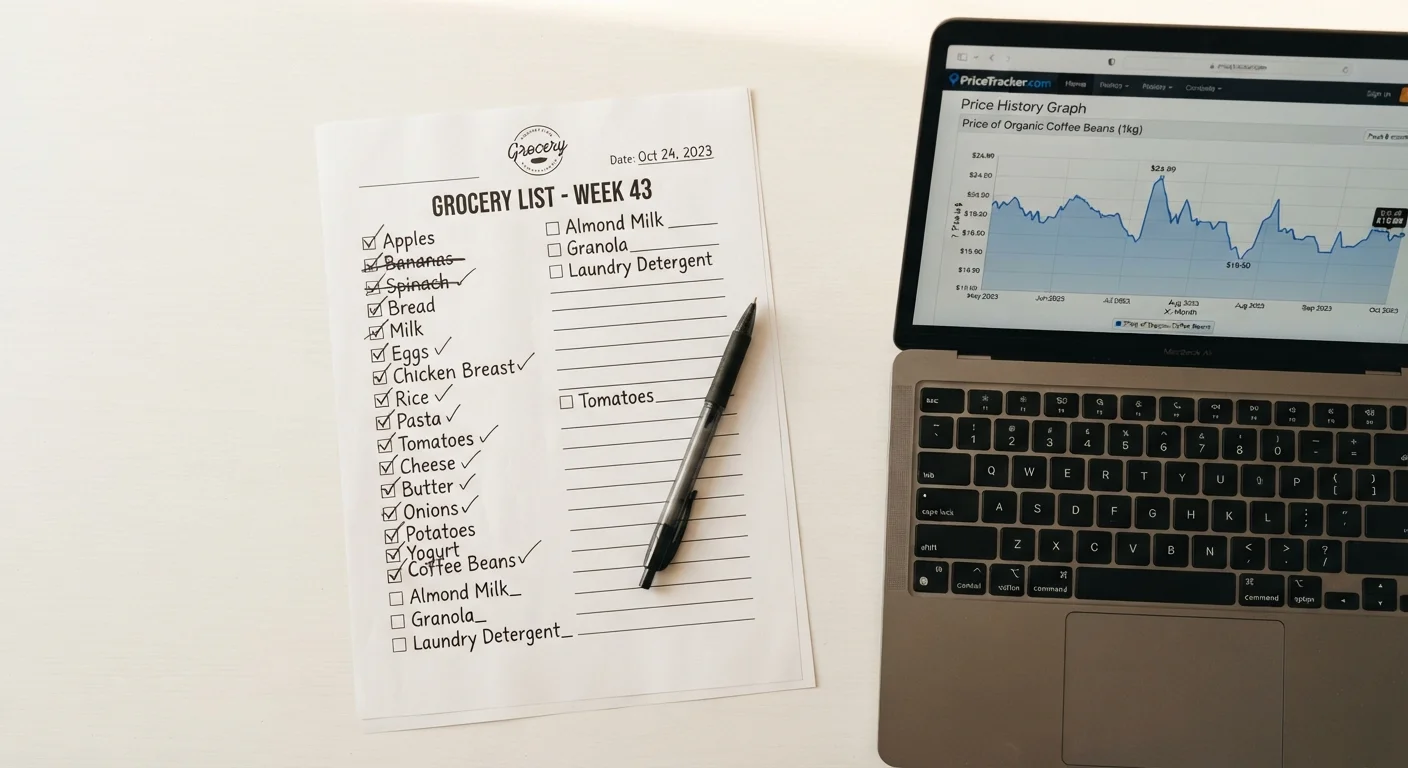
Work through the sections below in order. The earlier steps (price research, account setup) have the longest lead time and should ideally be completed one to two weeks before Thanksgiving. The later steps (cart loading, notification setup) can be done the night before.
Tools You'll Need
You don't need to download everything on this list - but having the right infrastructure in place before the sale is non-negotiable. Each tool below serves a specific function in the prep system.
CamelCamelCamel
Tracks Amazon price history so you can verify whether a Black Friday deal is genuinely below the item's historical low.
Honey or Capital One Shopping
Automatically surfaces coupon codes at checkout and tracks price drops across multiple retailers.
Rakuten (or TopCashback)
Activates cashback on purchases at thousands of retailers - often stacks with other discounts and credit card rewards.
Google Sheets or Notion
Maintains your prioritized shopping list, target prices, and deal start times in one accessible reference doc.
Password Manager (1Password, Bitwarden, etc.)
Stores retailer login credentials so you're not locked out of an account during a time-sensitive flash sale.
Retailer Mobile Apps
Many retailers offer app-exclusive early access deals and push notifications for flash sales not visible on desktop.
Keepa
Provides deeper Amazon price history charts and stock-level data, useful for high-value electronics and appliances.
Rewards Credit Card
Stacks category-bonus rewards (e.g., 3-5x on online purchases) on top of cashback portal earnings for maximum return.
The Full Prep Checklist
Work through each group in sequence. Items marked must are baseline requirements - skipping them directly reduces your savings potential. Items marked should offer meaningful upside with modest effort. Nice-to-have items are worth doing if you have the time.
Research & Price Benchmarking
Account & Payment Setup
Cashback & Coupon Stacking
Return Policy & Price-Match Review
Cart & Wishlist Preparation
In-Store Planning (If Applicable)
Final Pre-Sale Checklist
Don't Trust 'Original Price' Labels at Face Value
Retailers are not legally required to prove that a claimed original price was ever the actual selling price. A "50% off" badge may reflect a reference price that was active for only a few days. Always cross-reference using a price history tool before treating any discount as genuine.
Saved Carts Are Not Price-Locked
Adding items to your cart before the sale does not guarantee you'll pay that price when the sale launches. Prices in cart update dynamically. Load your cart early for speed, but verify the final price before submitting your order.
Cashback Portals Can Be Disqualified by Certain Actions
Using a coupon code not provided by your cashback portal, or navigating away from the portal session during checkout, can void your cashback. Read each portal's terms and test the flow on a small purchase before relying on it for high-value Black Friday buys.
Price Research: The Most Important Step Most Shoppers Skip
Retailers routinely inflate prices in October and early November before "discounting" them back to normal levels on Black Friday. Without a verified price history, you can't tell a real deal from a manufactured one.
The fix is simple: start tracking target items at least 60 days out. Tools like CamelCamelCamel (for Amazon), Honey, and Capital One Shopping all maintain historical price data. A deal that looks like 40% off might actually be a 10% discount from a temporarily inflated anchor price.
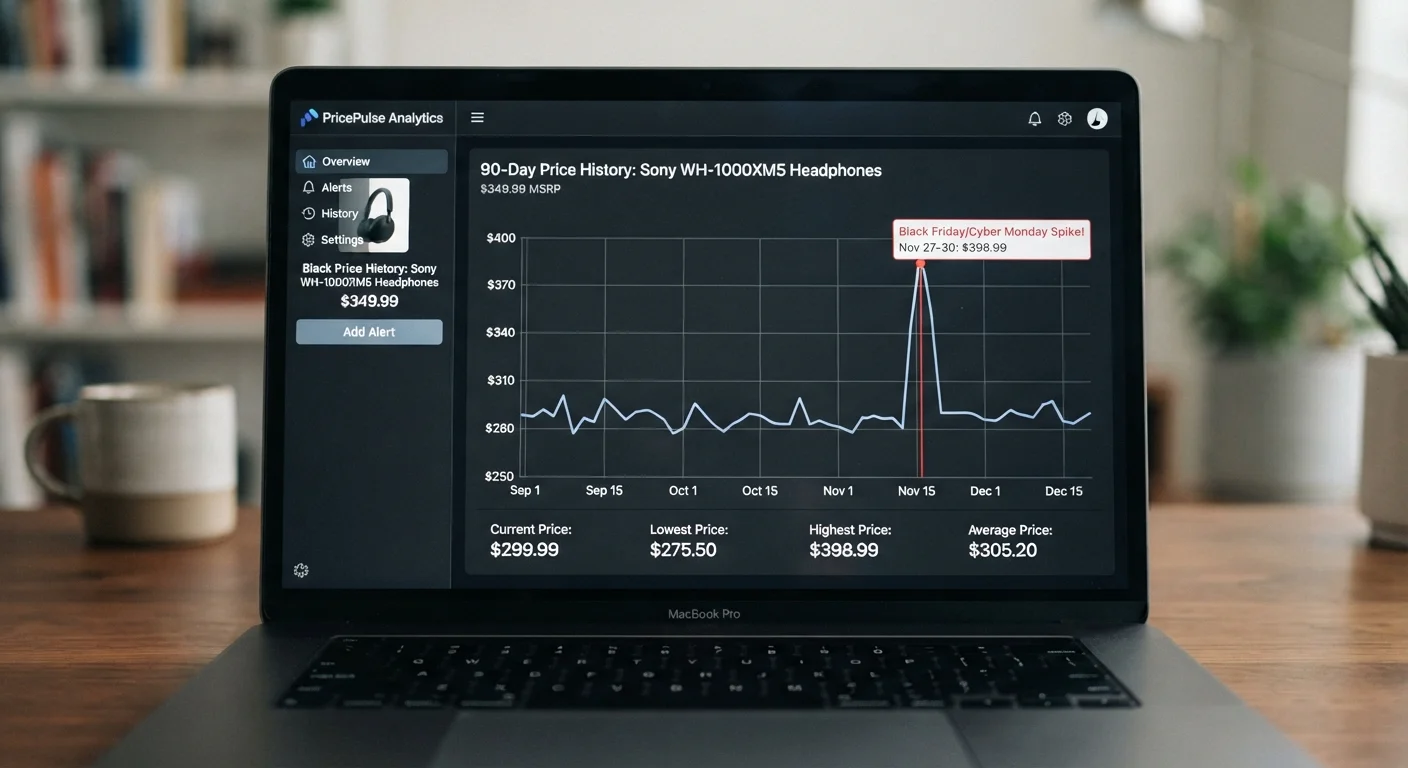
For smarter alert configuration so you're not buried in noise from dozens of tracked items, see Getting the Most Out of Price Drop Alerts Without Being Buried in Notifications. The key principle: set threshold alerts at your target price, not just any drop.
Also note that some of the best Black Friday pricing appears in early-access windows 24-48 hours before the official sale - particularly for loyalty members. Early Access vs. Doorbusters: Which Black Friday Strategy Wins breaks down which approach suits different shopping priorities.
Price Inflation Before Black Friday Is Real and Common
Multiple consumer watchdog studies have found that a significant percentage of Black Friday "deals" were available at the same or lower prices in the weeks prior. A product showing 30% off is meaningless without a verified price baseline. Running this check takes five minutes per item and can save you from paying more than you would have in October. Do not skip this step.
Set a Spending Cap Before You Open a Single Tab
Black Friday is designed to create urgency and lower purchase inhibition. Without a pre-committed spending ceiling, it's easy to spend 40% more than planned on items that weren't on your original list. Write your cap down, put it somewhere visible, and treat it as a hard constraint - not a guideline.
Channel Strategy: In-Store, Online, or Both
Black Friday is not a single channel event. Doorbusters, limited-quantity TV deals, and appliance floor models often exist only in-store. Meanwhile, online-exclusive deals, price-drop stacking, and cashback portal bonuses are largely a digital game.
Before sale day, decide which items belong in which channel and plan accordingly. For a full breakdown of the trade-offs, Shopping Black Friday In-Store vs. Online: What Each Does Better - the article covers everything from line strategy to shipping cutoffs.
For most intermediate shoppers, a hybrid approach works best: identify one or two in-store doorbusters worth queuing for, and handle the rest online. The critical prep step is deciding this in advance, not at 5 a.m. on Friday.

Also worth noting: Cyber Monday frequently offers deeper discounts on electronics and software than Black Friday does. If a tech item on your list doesn't drop to your target price on Friday, hold it. See Your Cyber Monday Game Plan: From Wishlist to Checkout for the follow-on strategy. And if items still don't move, Winter Clearance Shopping Done Right covers how to capture end-of-season markdowns in January.
Final Night Setup: Get Your Carts and Accounts Ready
The evening before Black Friday is execution prep, not research time. Research should already be done. Use this window to load wishlisted items into carts (where retailers allow it), confirm shipping addresses are current, and verify that your preferred cashback portal is active in your browser.
A few tactical notes: saved carts can expire or change price overnight, so don't assume a cart you loaded at 8 p.m. reflects the same deal at midnight. Check stock status on high-demand items - if a product shows low inventory the night before, it may sell out in the first minutes of the sale. Have a backup option identified for every must-have item on your list.
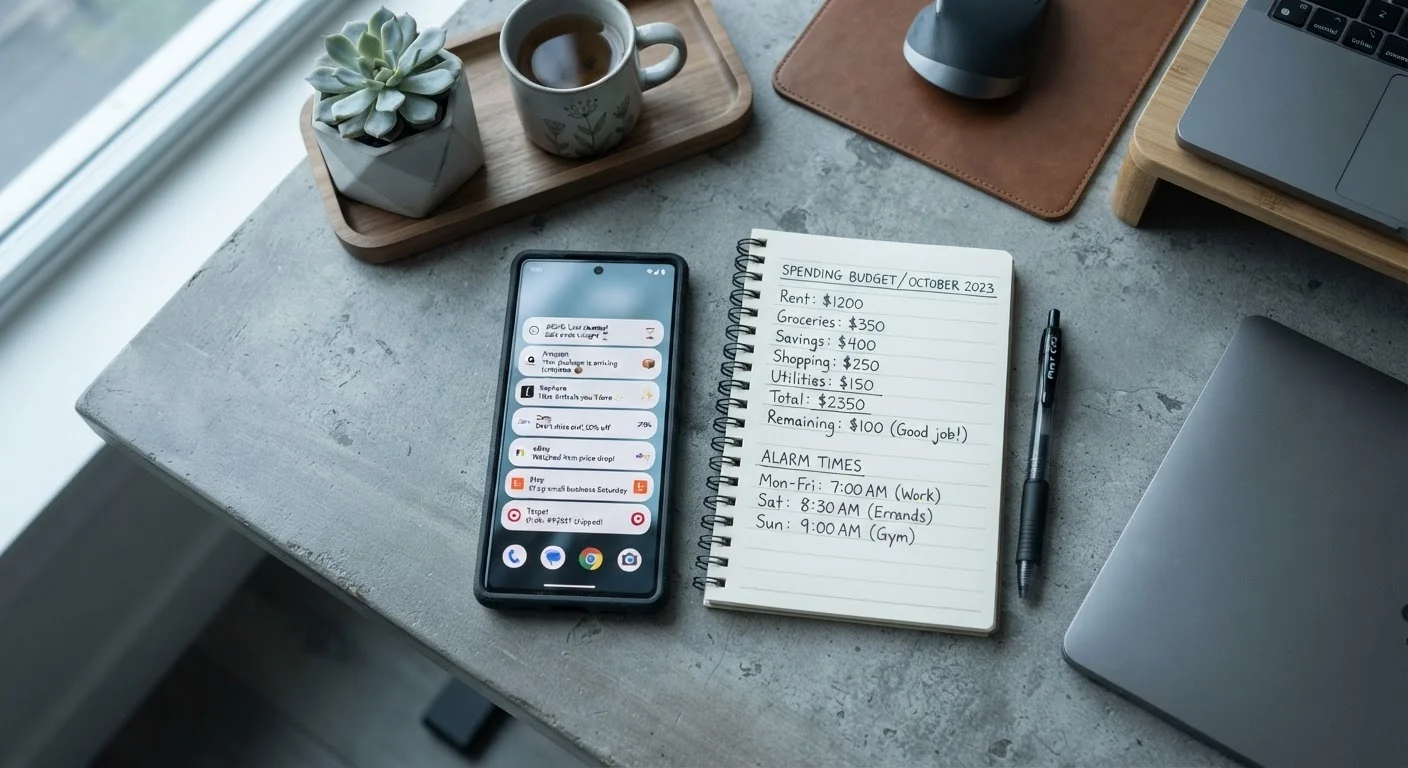
Finally, set specific alarm times for any deals with known drop windows. Many retailers now publish their sale schedules in advance. Use that information. Being 10 minutes late to a limited-quantity deal is the same as not showing up at all.
For more on navigating the full holiday sales calendar - not just Black Friday - the Holiday Sales Guide and Black Friday Tips hub are worth bookmarking as evergreen references.