

Key Takeaways
Option A
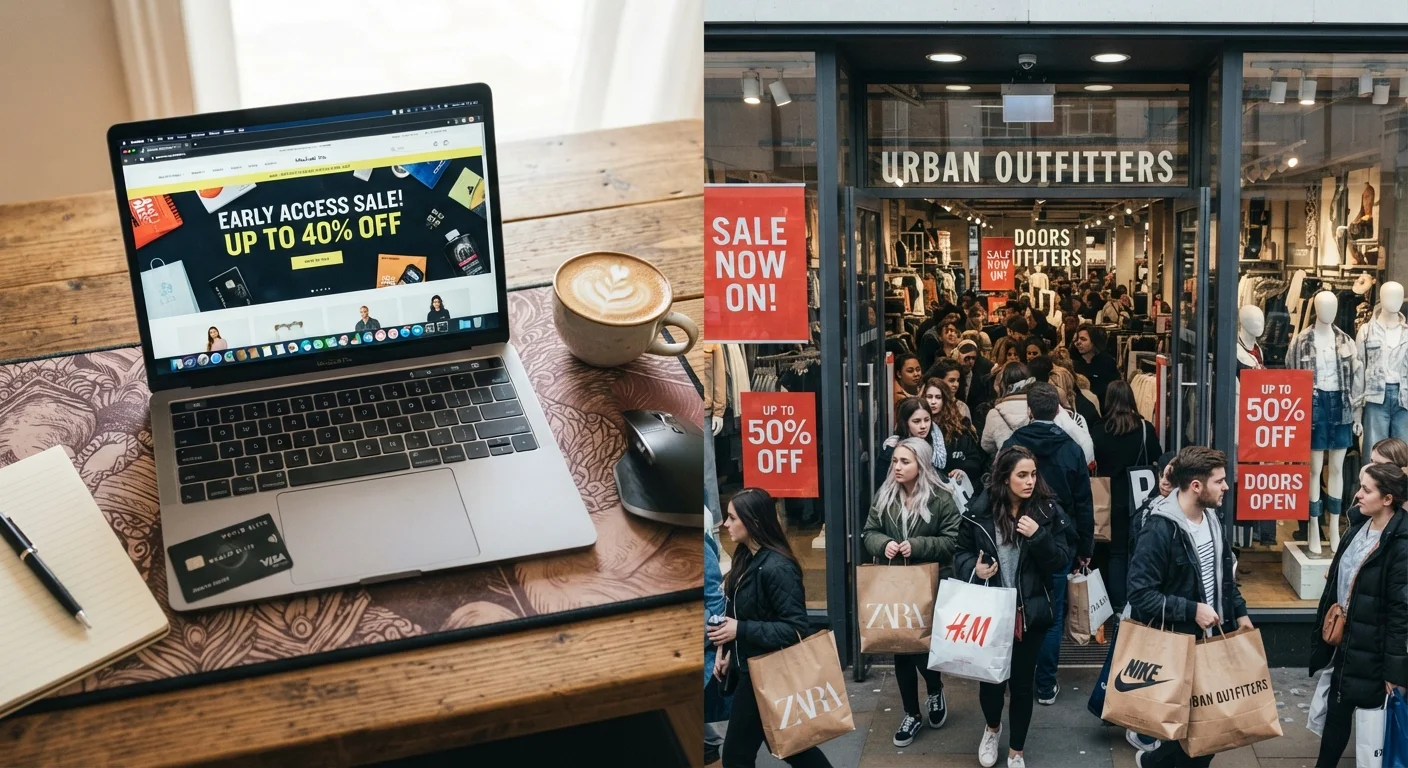
Early Access Sales
The methodical, low-stress path to verified savings.
Best for: Shoppers who want to compare prices, use cashback stacking, and avoid inventory chaos before the main event.
Option B
Doorbuster Deals
The high-reward, high-effort sprint for specific steals.
Best for: Deal hunters who know exactly what they want and are willing to compete for deeply discounted, limited-quantity items.
If you want the least stressful path to solid savings
Early Access Sales
You get more time, better inventory selection, and the ability to stack discounts methodically without competing against crowds.
If you need one specific big-ticket item at the lowest possible price
Doorbuster Deals
When a doorbuster matches your pre-researched target item and the discount is verified as genuine, it can beat any early access price - if you're prepared to act fast.
If you're shopping on a tight budget with no room for impulse buys
Early Access Sales
The controlled environment of online early access makes it much easier to stick to your list and skip the upsell traps that surround in-store doorbusters.
If you're buying gifts across multiple categories
Early Access Sales
Breadth of inventory and the ability to comparison-shop across retailers simultaneously makes early access the only viable multi-item strategy.
If you have flexibility and want to combine both approaches
Early Access Sales
Use early access to secure essentials first, then treat one well-researched doorbuster as a bonus - never your primary plan.
How Early Access and Doorbusters Actually Work
Before you can choose between these two strategies, you need to understand what retailers are actually doing with each tactic - because both are designed with the store's interests in mind, not yours.
Early access sales typically launch anywhere from one to three weeks before Black Friday. Major retailers including Amazon, Target, and Walmart now run multi-week promotional windows they brand as "Black Friday deals" even though Thanksgiving is still on the calendar. Products are listed online at a discount, inventory is generally broader, and the deals often run for 24-72 hours rather than a few frantic morning hours.
Doorbusters are the original Black Friday weapon: a handful of products - often TVs, laptops, or appliances - offered at dramatically reduced prices in quantities so limited that most stores stock fewer than 10-20 units. They open with the store, they're gone within the first hour, and they exist primarily to drive foot traffic that retailers monetize through full-price sales made to everyone who showed up but missed the doorbuster.
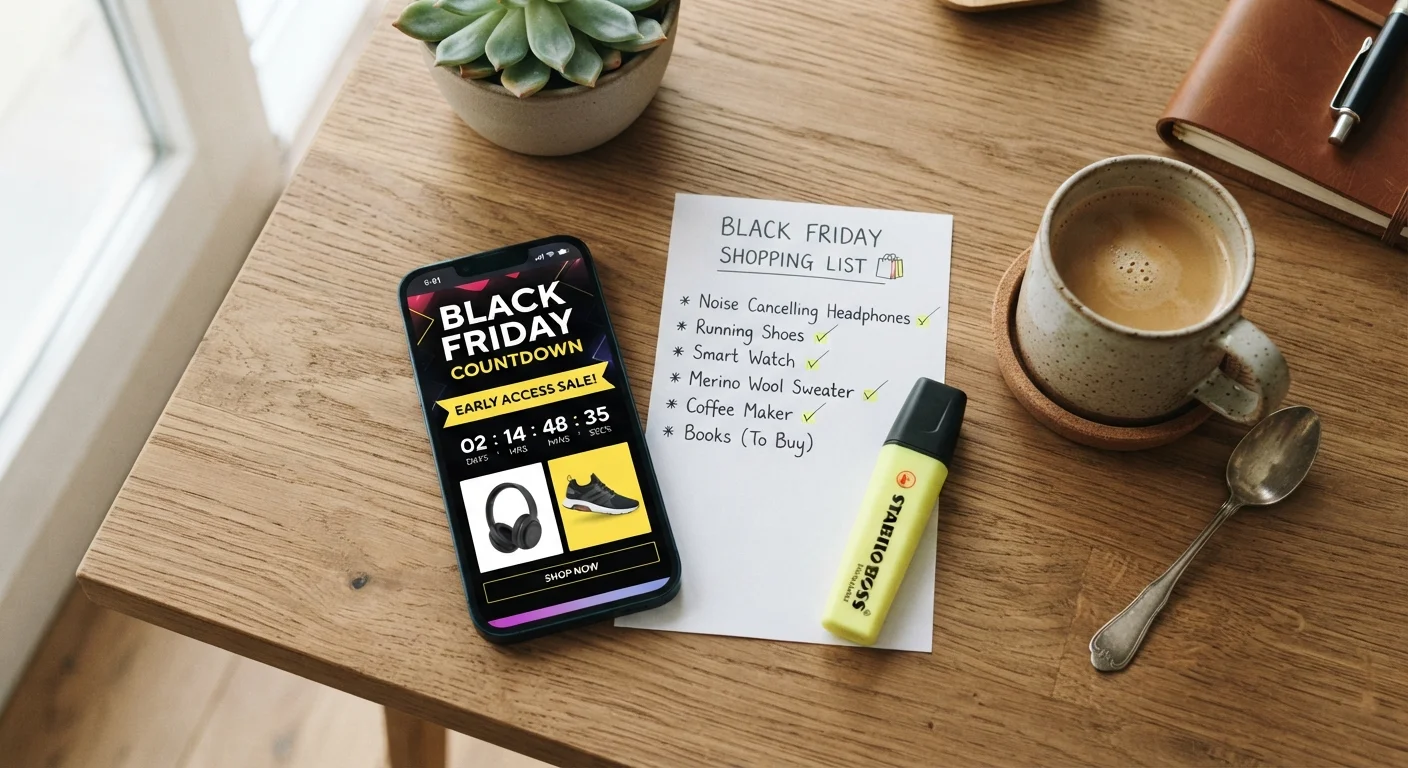
Neither format is inherently bad for shoppers. Both can deliver real value. But they reward completely different behaviors, and conflating the two is how most people end up spending more than they planned while convincing themselves they saved money.
For a full breakdown of what to do before either sale goes live, see our Black Friday prep checklist - it covers price tracking setup, wishlist prioritization, and account prep that applies to both strategies.
Head-to-Head: Early Access vs. Doorbusters
The differences between these two approaches go beyond timing. They diverge on risk, reward, effort, and the type of shopper who benefits most. Here's the direct comparison across the criteria that matter most.
| Criterion | Early Access Sales | Doorbuster Deals |
|---|---|---|
| Availability window | Days to weeks | 1-3 hours on sale day |
| Inventory depth | Broad - most sizes, colors, models | Extremely limited (often <20 units) |
| Typical discount depth | 20-50% off | 50-80% off (when genuine) |
| Price verification feasibility | Easy - time to research | Difficult - decision in seconds |
| Cashback & coupon stacking | Fully compatible | Usually excluded in fine print |
| Impulse buy risk | Moderate (online cart friction low) | High (loss-leader foot traffic play) |
| Shopping channel | Primarily online | Primarily in-store |
| Physical effort required | Minimal | High (early queuing, crowds) |
| Best product categories | Electronics, apparel, home goods | TVs, appliances, select electronics |
| Risk of missing the deal | Low - restocks common | Very high - no second chances |
64%
Black Friday shoppers who buy online only
According to the National Retail Federation's 2023 holiday survey, nearly two-thirds of Black Friday shoppers completed all purchases online, up from 45% in 2019.
2-3×
Extra spend by doorbuster in-store shoppers
Research from retail analytics firm First Insight found that shoppers who enter a store targeting a doorbuster spend two to three times the doorbuster price in total store purchases.
37%
Black Friday deals with inflated 'original' prices
A 2022 analysis by consumer advocacy group Which? found that over a third of Black Friday deals showed higher prices in the six months preceding the sale than on sale day.
$120+
Potential stack value on a $500 early access purchase
Combining a cashback portal (up to 10%), a rewards credit card (2-5%), and a stackable promo code can realistically return over $120 in combined value on a mid-size electronics purchase.
73%
Early access deals that match or beat Black Friday price
Adobe Analytics' 2023 holiday retail data found that the majority of products discounted in pre-Black Friday windows were not discounted further on Black Friday itself.
The availability gap is the single most important factor for most shoppers. Early access deals can be shopped at 2 a.m. in your pajamas with a price-comparison tab open and a cashback portal activated. Doorbusters require you to be physically present, often before 5 a.m., competing against shoppers who may have been in line since the previous evening.
That said, the discount ceiling on a genuine doorbuster is hard to beat. A 65-inch TV marked down from $1,200 to $350 is a 71% discount that no early access sale is likely to match. The problem is the word "genuine" - and that's where Black Friday myths around doorbusters do the most damage. Retailers sometimes inflate the "original" price to make a modest discount look spectacular. Without price history data, you can't tell the difference.
The Impulse Buy Problem: Where Each Strategy Fails You
Both formats exploit specific psychological vulnerabilities, and knowing which one is working on you is the first step to resisting it.
How Early Access Encourages Overspending
Early access sales are deliberately designed to feel urgent without actually being urgent. Countdown timers, "Only 12 left" banners, and wave-format releases (new deals dropping every few hours) create a fear of missing out that pushes shoppers to buy before they've verified whether the price is actually good. Because early access runs online, it's also trivially easy to add $300 worth of items to your cart at midnight without the natural friction of carrying physical merchandise through a store.
The fix: build your list before the sale opens. Our guide on building a Black Friday shopping list that actually works walks through exactly how to research and prioritize so you're not making decisions under pressure.
How Doorbusters Engineer Broader Spending
In-store doorbusters are a loss-leader play. The retailer accepts a loss on the 15 TVs at the door because the 1,500 people who showed up will wander the store for two hours, filling carts with full-margin items to justify the trip. Studies consistently show that shoppers who enter a store for a specific doorbuster spend an average of two to three times the doorbuster's value in additional purchases before leaving.
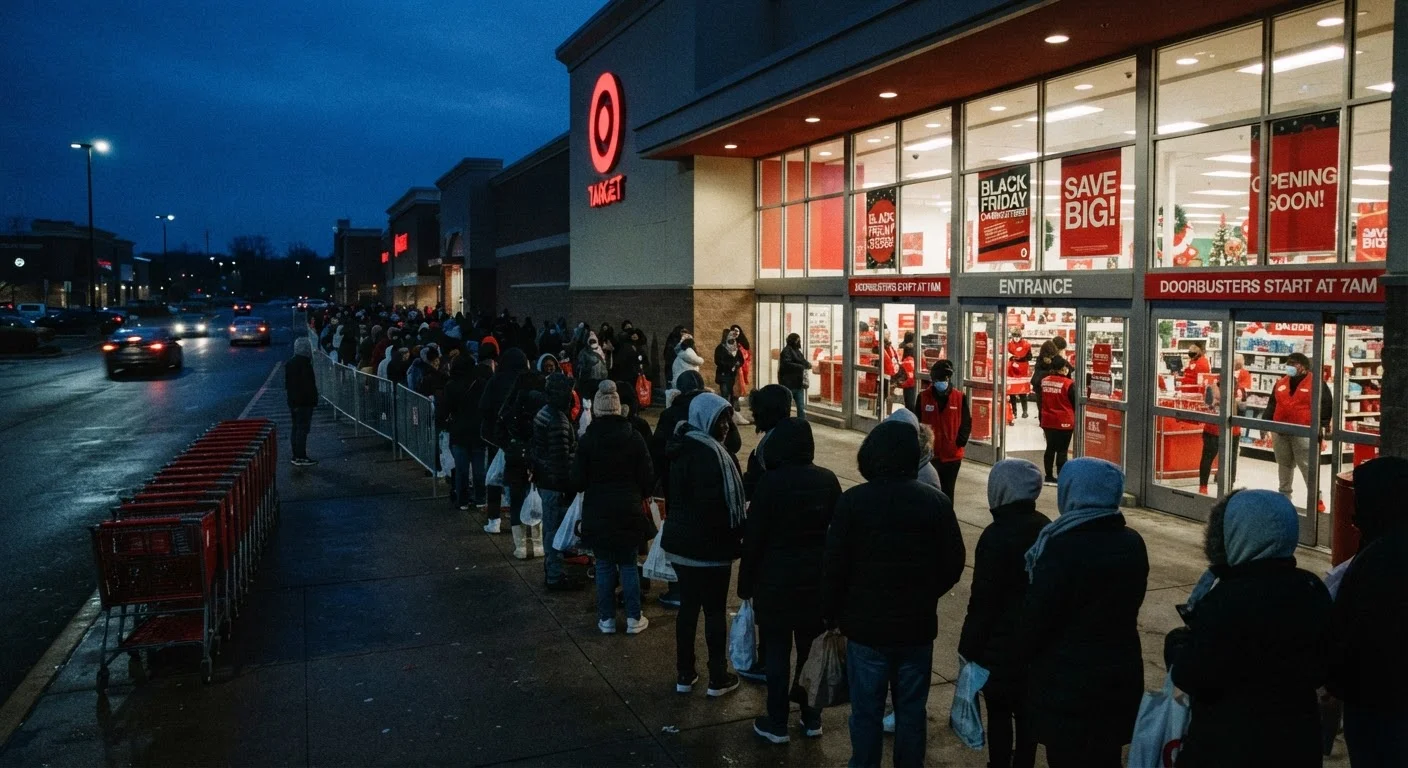
The fix: if you're going for a doorbuster, bring a single-item list, leave your secondary wishlist at home, and set a hard cart limit before you walk in. Treat everything else in the store as invisible.
Check the Model Number Before Buying Any Doorbuster
Retailers frequently stock exclusive variants of popular electronics specifically for doorbuster events. These models may carry the same brand name and look identical in store signage but feature lower-tier components - reduced refresh rates on TVs, smaller storage on laptops, or stripped-out features on appliances. Search the full model number (not just the brand and series name) on a review site before committing. If the model number isn't listed on the advertisement beforehand, that's a red flag worth heeding.
Early Access Countdowns Are Often Artificial
Many early access timers reset or refresh with new inventory when they expire, particularly on Amazon and Walmart. If you miss a 'limited-time' early access deal by a few hours, check back - the same item often reappears at the same price within 24-48 hours. Genuine scarcity is real in doorbusters; early access timers are primarily a conversion mechanism.
Gift Cards Can Extend Your Effective Discount
Several major retailers sell their own gift cards through third-party resale platforms like Raise or CardCash at 5-15% below face value. Buying a $100 gift card for $87, then using it during an early access sale, effectively adds a layer of discount before any coupon or cashback is applied. This technique works best during early access when you have time to source and activate the cards - impossible to execute in a doorbuster queue.
The Verification Gap
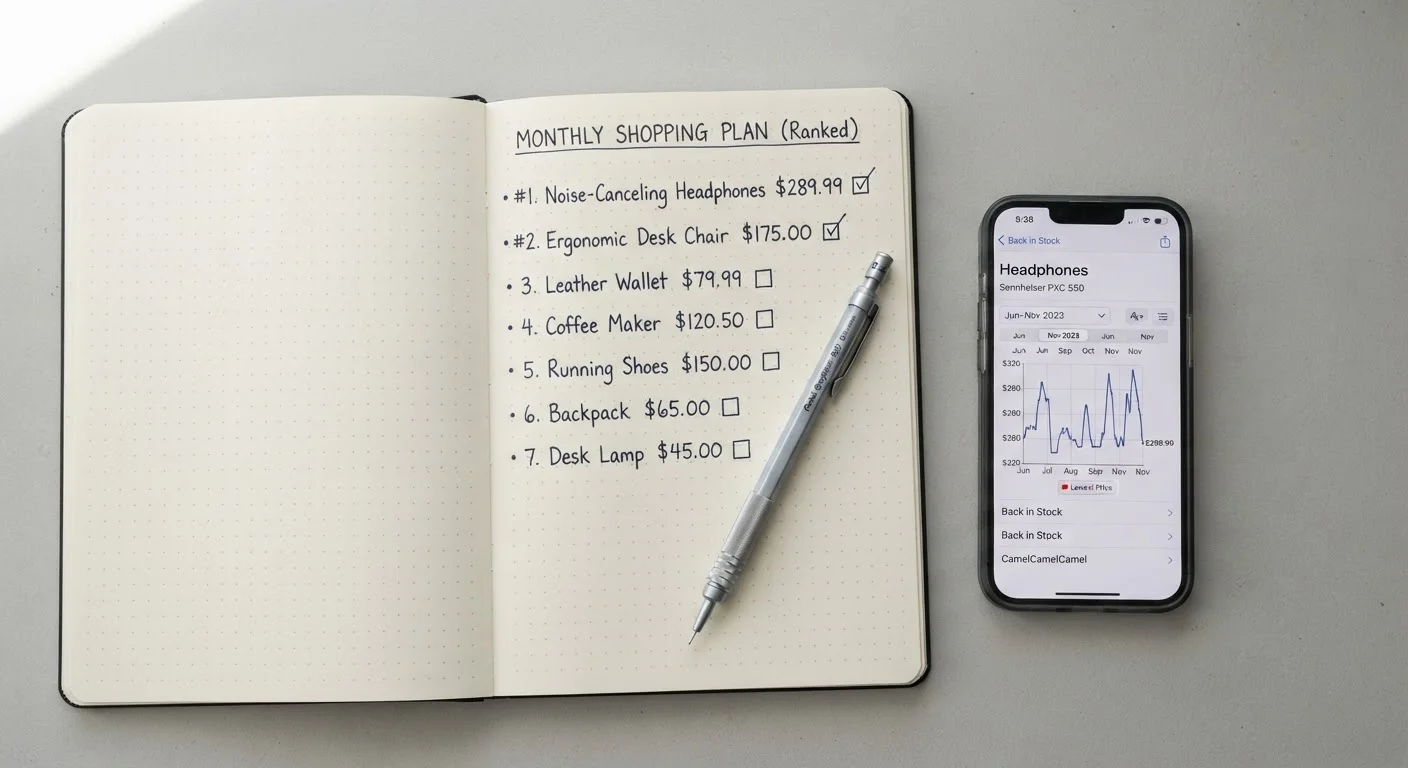
The other way both strategies fail shoppers is the absence of price verification. Whether you're clicking "buy" at 1 a.m. during early access or grabbing a doorbuster at 5 a.m., you're typically operating on trust that the discount is real. It often isn't - or it's only partially real. Tools like CamelCamelCamel (for Amazon), Honey's price history graphs, and Google Shopping's price tracker are non-negotiable for both formats. If a price hasn't been tracked, it hasn't been verified.
Stacking Discounts: Where Early Access Has a Clear Edge
One of the most overlooked differences between these two strategies is how compatible each is with discount stacking - the practice of layering cashback portals, store credit, credit card rewards, and coupon codes on top of the sale price.
Early access deals are almost always available through cashback portals like Rakuten, TopCashBack, or the retailer's own loyalty program. You can activate a portal, apply a coupon code, pay with a rewards credit card, and in some cases use store gift cards purchased at a discount - all in the same transaction. On a $500 item, this stack can realistically return $50-$120 in additional value on top of the sale price.
Doorbusters are largely incompatible with this approach. Most are explicitly excluded from coupon codes and loyalty point accrual in the fine print. In-store cashback portals don't apply to physical purchases the same way. And the speed required to secure the item leaves no time for careful payment optimization.
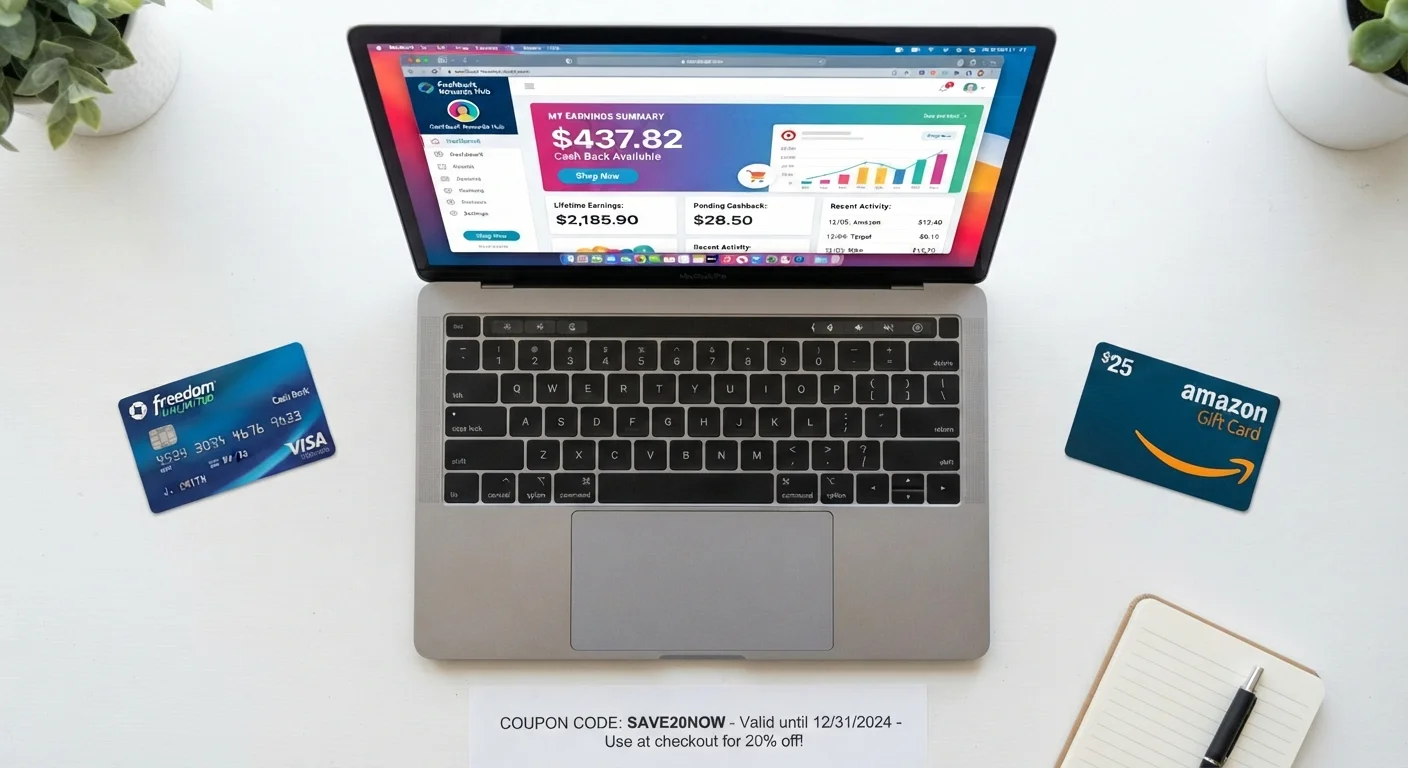
For shoppers who treat discount stacking as a core part of their savings system - and it should be - early access is structurally superior. The total effective price, not just the sticker discount, is what determines who wins Black Friday.
It's also worth noting that Black Friday isn't always the best moment to buy in every category. Our comparison of Black Friday vs. end-of-season sales shows which product categories consistently deliver better discounts during January clearance than the holiday event - useful for deciding what to buy now versus what to wait on.
Building a Combined Strategy That Actually Works
For most shoppers, the either/or framing of early access versus doorbusters is a false choice. The optimal approach is a sequenced plan that uses each format for what it does best.
Step 1: Define Your Priority List First
Before either sale format opens, you should have a ranked list of items with target prices attached. Use CamelCamelCamel, Google Shopping, or a price-tracking browser extension to establish what the item has historically sold for. This is the baseline that tells you whether any deal - early access or doorbuster - is actually worth taking.
Step 2: Use Early Access to Secure Your Essentials
For anything on your list that's available during early access at or below your target price, buy it. Don't wait for a marginally better doorbuster that may not materialize or may sell out before you get to it. A confirmed saving beats a speculative one every time. Activate your cashback portal, apply any available codes, and check out.
Step 3: Identify One Doorbuster Worth Pursuing
If your list includes a big-ticket item - typically electronics or appliances - and a retailer's doorbuster matches that item with a verified genuine discount, it may be worth pursuing. Check the fine print on the product model number: retailers frequently use exclusive or slightly inferior model variants for doorbusters that aren't directly comparable to standard retail models. If the model checks out and the price history confirms the discount is real, make it your one doorbuster target.
Step 4: Set Hard Limits Before You Walk In or Click Through
Whether you're heading to a store at 4 a.m. or shopping an early access flash sale, decide your spending ceiling before you open the app or leave the house. The deal-finding strategies in our Black Friday tips hub are only effective if you go in with defined constraints. Retailers are very good at their jobs. Your discipline is your only real leverage.
After Black Friday, if you still have items on your list you didn't purchase, don't abandon the hunt. Our winter clearance guide covers the post-holiday and late-winter sale windows where certain categories - particularly home goods, clothing, and last-season electronics - consistently hit their lowest annual prices.
The choice between early access and doorbusters isn't really about which format is better. It's about matching the right tool to the right target at the right moment. Approach Black Friday as a system, not a sprint, and you'll consistently outperform shoppers who treat it as a single chaotic event. For a deeper look at channel-specific tactics, see our breakdown of shopping Black Friday in-store vs. online - it maps out exactly which purchase types belong in each environment.