
Pet Allergies vs. Environmental Illness: Why the Cause Isn't Always Obvious
Itching, sneezing, and digestive upset can stem from allergies, infections, or environmental exposures. Learn how vets work through the diagnostic process.
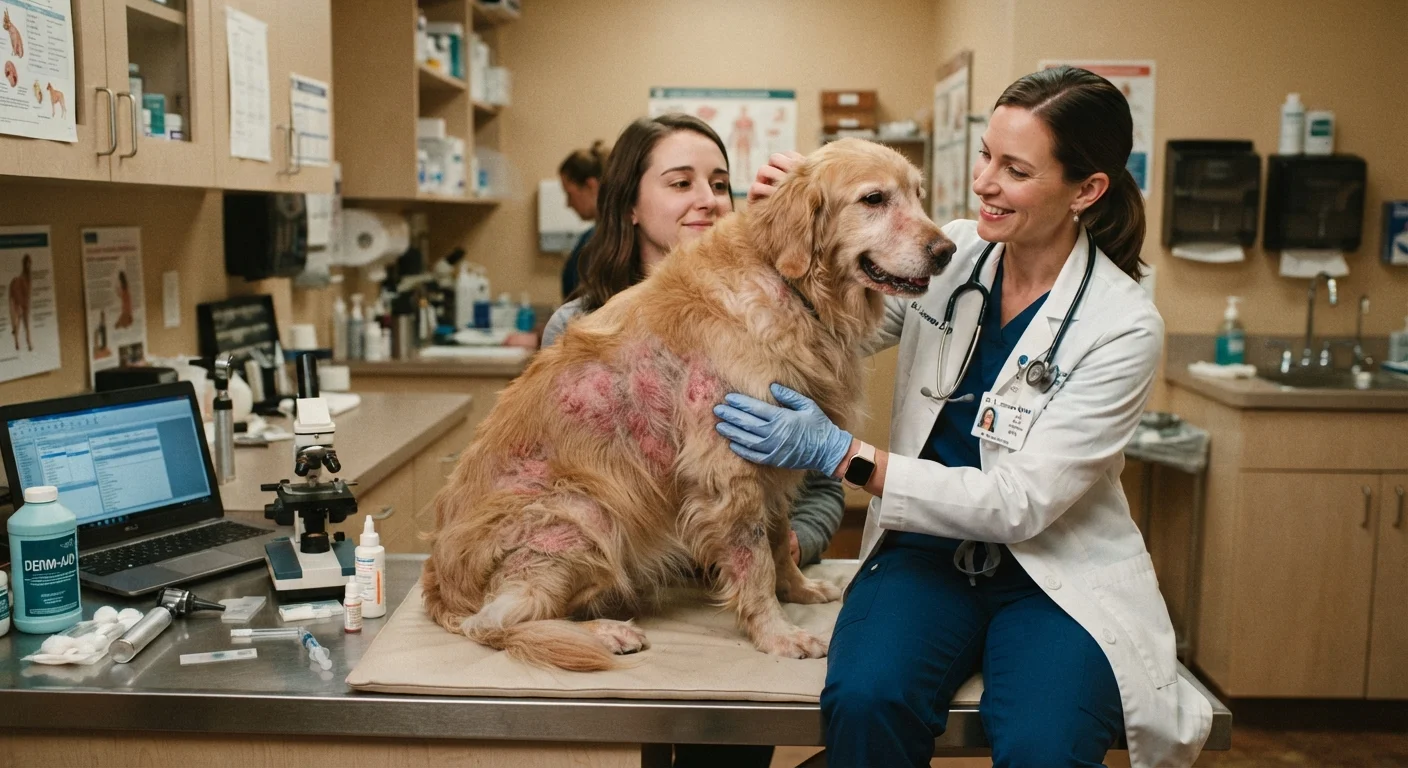
Photo: SaverSteals.com editorial
—— In This Article
Key Takeaways
- Allergies and environmental illness share many overlapping symptoms, making self-diagnosis unreliable.
- True allergies involve an immune response; environmental illness can stem from toxins, irritants, or infections.
- Vets use elimination diets, skin tests, and environmental history to narrow down the cause.
- Treating symptoms without identifying the source often leads to recurring or worsening problems.
- A thorough history of your pet's environment is one of the most valuable diagnostic tools available.
When Symptoms Don't Point to an Obvious Answer
Your dog won't stop scratching. Your cat keeps sneezing. These symptoms feel like they should have a clear answer — but the reality is that itching, digestive upset, watery eyes, and chronic skin issues can each stem from several very different root causes. What looks like a food allergy might be a reaction to a household cleaner. What appears to be seasonal allergies could be a low-grade infection or even stress-related inflammation.
This overlap is one of the most common frustrations pet owners experience, and it's also why many pets cycle through treatments that only partially work. Understanding the difference between true allergies and environmental illness is the first step toward actually solving the problem — and it starts with knowing how each one works.
For context on how overlapping health signals can complicate the picture even further, see our guide to subtle pain signals in pets.
Allergies vs. Environmental Illness: How They Differ
A true allergy is an immune system reaction. The body mistakenly identifies a harmless substance — pollen, a certain protein in food, dust mites — as a threat and mounts a defense response. This causes the itching, inflammation, and gastrointestinal symptoms owners recognize. The three most common types in pets are environmental (atopic) allergies, food allergies, and contact allergies.
Environmental illness, by contrast, is a broader term for physical harm caused by something in the pet's surroundings — not necessarily an immune overreaction. This includes exposure to cleaning chemicals, pesticides, mold, heavy metals, secondhand smoke, or even certain houseplants. Respiratory infections and parasites can also produce similar symptoms and are sometimes mistaken for allergies.
| True Allergy | Environmental Illness | |
|---|---|---|
| Underlying mechanism | Immune system overreaction | Direct physical or toxic harm |
| Onset | After sensitization (prior exposure needed) | Can occur on first exposure |
| Common triggers | Pollen, food proteins, dust mites, mold | Chemicals, pesticides, mold, infections |
| Typical symptoms | Itching, GI upset, ear infections, hives | Respiratory signs, vomiting, lethargy, skin irritation |
| Key diagnostic tool | Elimination diet, allergy testing | Environmental history, toxicology, culture |
| Treatment approach | Avoidance, immunotherapy, medication | Remove exposure source, supportive care |
The key difference lies in mechanism: allergies are immune-mediated and require an initial sensitization period; environmental illness can affect any pet immediately, regardless of prior exposure. However, from the outside, both can look strikingly similar.
How Vets Work Through the Diagnostic Process
Because symptoms overlap so heavily, veterinarians typically follow a systematic process rather than treating based on surface presentation alone. This generally involves:
- Detailed history-taking: When symptoms started, any recent changes in food, cleaning products, yard chemicals, or new furniture can all be meaningful clues.
- Physical examination: The distribution of skin lesions, ear involvement, and the presence of secondary infections all point toward different causes.
- Elimination diets: For suspected food allergies, a strict hydrolyzed or novel-protein diet over 8–12 weeks is the most reliable diagnostic tool — not allergy blood panels, which have variable accuracy for food reactions.
- Intradermal or serum allergy testing: Used to identify environmental allergens once food and infection have been ruled out.
- Environmental audit: Vets may ask pet owners to systematically assess recent product changes at home.
Bring Notes to Your Vet Appointment
A detailed record of when symptoms occur, how long they last, and any recent changes at home can cut diagnostic time significantly. Note new foods, cleaning products, yard treatments, seasonal timing, and any new household items. Vets often describe this history as more valuable than lab results alone — it guides which tests to run and in what order.
This process takes time — and that's intentional. Rushing to a diagnosis without ruling out competing causes is one of the most common reasons pets end up on long-term medication that doesn't fully address the root issue. Your pet's annual wellness exam is also an important checkpoint where early patterns can be caught before they escalate.
What Pet Owners Can Do at Home
While a definitive diagnosis requires professional evaluation, there are meaningful steps owners can take to support the diagnostic process — and potentially reduce their pet's exposure to common irritants in the meantime.
- Keep a symptom journal: note when flare-ups occur, what the pet was recently exposed to, and any environmental changes.
- Review cleaning products and air fresheners used in areas where your pet spends time.
- Wash bedding regularly and consider HEPA air filtration if environmental allergens are suspected.
- Avoid switching foods frequently before a vet visit — this can complicate an elimination diet trial later.
It's also worth recognizing that stress can amplify or mimic physical symptoms. If your pet is showing behavioral changes alongside physical signs, our article on recognizing stress in pets may offer useful context. For a broader look at separating fact from common misconceptions around pet health, our myth-busting guide is a helpful companion read.
This article is for general informational purposes only and does not constitute veterinary medical advice. Always consult a licensed veterinarian for guidance on your pet's specific health concerns.

Pets Editorial Team
Pets Editorial Team is the collective byline for our editorial team and contributor network. Articles published under this byline or an editorial pen name are researched, written, and reviewed according to our editorial standards for clarity, consistency, and independence before publication.
View author profile