
The Science Behind How Dogs Learn
Understand the principles of canine learning—operant conditioning, reinforcement, and memory—so your training efforts actually stick.
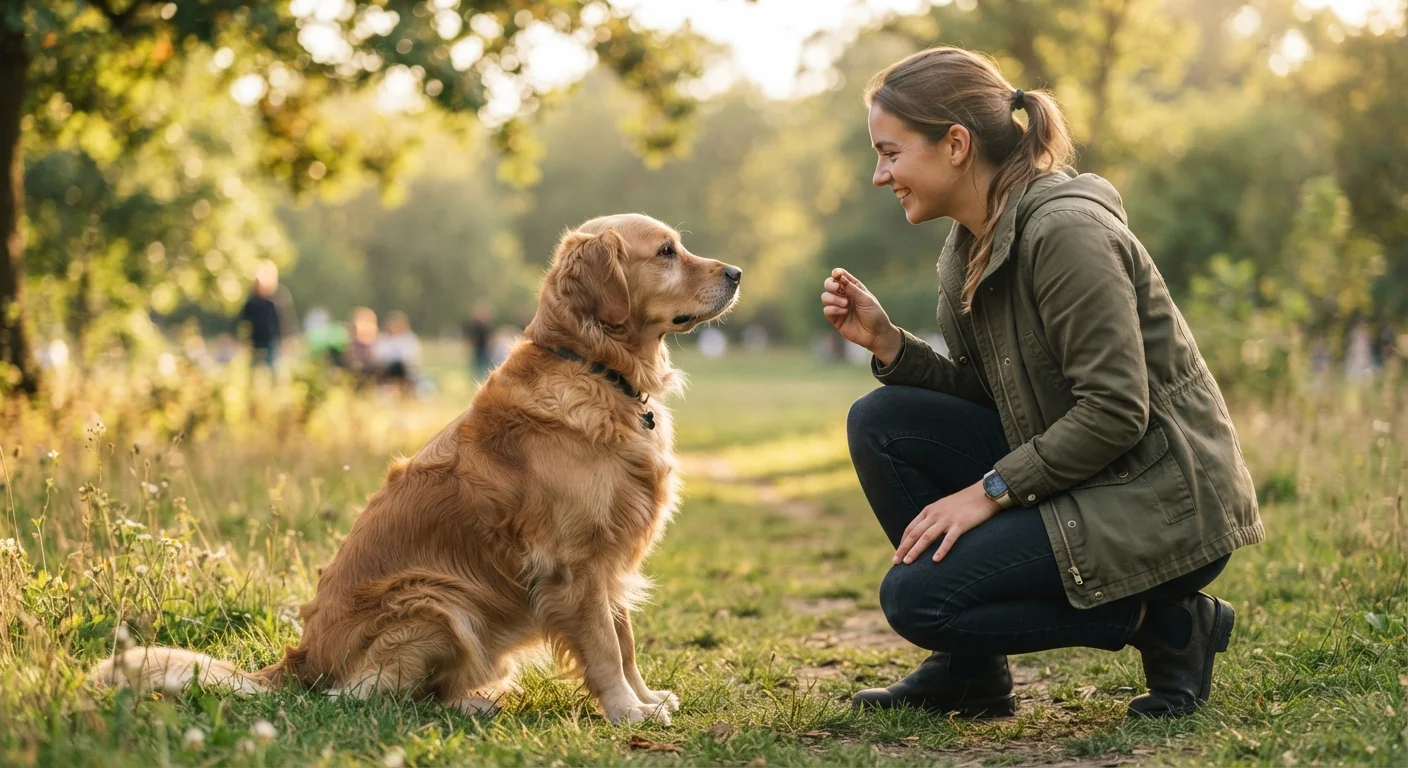
Photo: SaverSteals.com editorial
—— In This Article
Key Takeaways
- Dogs learn primarily through the consequences of their actions—what happens right after a behavior matters most.
- Timing is critical: reinforcement or correction must occur within seconds of the behavior to be effective.
- Consistency from all household members dramatically affects how reliably a dog learns a cue.
- Positive reinforcement is widely supported by research as the most effective and humane training approach.
- Dogs have strong associative memory but limited understanding of human language—clarity of cues is essential.
- Stress and overstimulation reduce a dog's ability to learn; short, calm sessions produce better results.
How Dogs Actually Process Learning
Dogs don't learn through reasoning or reflection the way humans do. Instead, they learn primarily through association and consequence. When a behavior leads to something good, a dog is more likely to repeat it. When a behavior leads to something unpleasant or nothing at all, it tends to fade. This is the foundation of operant conditioning—and it's happening every moment your dog interacts with the world, whether you're actively training or not.
Classical conditioning works alongside this. It's the process of forming automatic emotional or physical responses to cues. This is why a dog might start wagging its tail the moment you pick up the leash—the leash has become associated with the pleasure of a walk. These involuntary associations form quickly and can be powerful tools (or unintended pitfalls) in training.
“The key to successful training lies not in how much you correct, but in how clearly you communicate what you want and how consistently you reinforce it.”
— Dr. Ian Dunbar, Veterinarian and pioneer of reward-based dog training
The Four Quadrants of Operant Conditioning
Behavioral science describes four ways consequences can shape behavior, often called the four quadrants:
- Positive reinforcement: Adding something pleasant after a behavior (giving a treat when your dog sits).
- Negative reinforcement: Removing something unpleasant when a behavior occurs (releasing leash pressure when your dog stops pulling).
- Positive punishment: Adding something unpleasant after a behavior (a loud 'no' when jumping).
- Negative punishment: Removing something pleasant after a behavior (turning away and ignoring jumping).
Of these, positive reinforcement has the most robust research support for producing reliable, lasting behavior changes with minimal negative side effects. You can explore the trade-offs in more depth in our guide to positive reinforcement vs. correction-based training.
Use a Marker to Sharpen Your Timing
A marker—whether a clicker or a short word like 'yes'—bridges the gap between the moment your dog performs a behavior and the moment you deliver the reward. This precision helps your dog understand exactly which action earned the treat. Practice marking the behavior the instant it occurs, then follow with the reward within a few seconds.
Memory, Repetition, and Generalization
Dogs have excellent associative memory—they remember what specific cues, places, and situations predict. However, they don't automatically transfer a learned behavior across contexts. A dog that reliably sits in your kitchen may look completely blank at the dog park. This isn't stubbornness; it's how canine memory works. Trainers call the process of expanding a behavior to new environments generalization, and it requires deliberate, gradual practice.
Repetition builds the neural pathways that make behaviors feel automatic. Short, frequent training sessions—five to ten minutes, several times a day—tend to outperform long, infrequent ones. Keeping sessions positive and ending on a success helps consolidate what was learned. If your dog is consistently ignoring cues, the issue is often context, inconsistency, or stress—not defiance. Our article on why dogs ignore commands breaks this down further.
< 2 sec
Optimal reinforcement window after a behavior
Behavioral research suggests rewards or markers delivered within one to two seconds of a behavior are most effective at reinforcing that specific action.
5–10 min
Recommended length for training sessions
Professional trainers and veterinary behaviorists commonly recommend multiple short sessions per day over single long ones to maximize retention and keep dogs engaged.
70%+
Of dog behavior problems linked to inconsistency
Surveys of professional trainers suggest the majority of common behavior issues stem from inconsistent cues or reinforcement rather than a dog's inability to learn.
What This Means for Your Daily Routine
Understanding the science doesn't require a psychology degree—it just means being intentional. A few principles make a meaningful difference:
- Mark the moment: Use a consistent signal—a word like 'yes' or a clicker—the instant your dog performs the desired behavior. Then follow with a reward. This precision is what makes reinforcement effective.
- Stay consistent: If one family member allows the dog on the couch and another doesn't, the dog isn't confused about rules—it's learning that the couch is sometimes allowed. Consistency across all people in the home is essential.
- Manage the environment: Prevention is training. Limiting opportunities for unwanted behaviors (like using baby gates or a leash indoors) reduces the chance your dog practices and reinforces habits you don't want. This connects directly to how you structure your dog's daily space—something worth considering whether you're exploring crate training or free-roaming options.
Finally, it's worth noting that many popular beliefs about dog behavior—like the idea that dogs misbehave out of spite or dominance—don't hold up to scientific scrutiny. Our roundup of common pet behavior myths offers a useful reality check for owners at any experience level.
This article is for general educational purposes. For personalized guidance on your dog's behavior or training challenges, consult a certified professional dog trainer or veterinary behaviorist.
Frequently Asked Questions

Pets Editorial Team
Pets Editorial Team is the collective byline for our editorial team and contributor network. Articles published under this byline or an editorial pen name are researched, written, and reviewed according to our editorial standards for clarity, consistency, and independence before publication.
View author profile