
Small Pet Care: Rabbits, Guinea Pigs, and Hamsters Compared
A practical comparison of the care needs, social requirements, and lifespans of three popular small pets to help owners set realistic expectations.
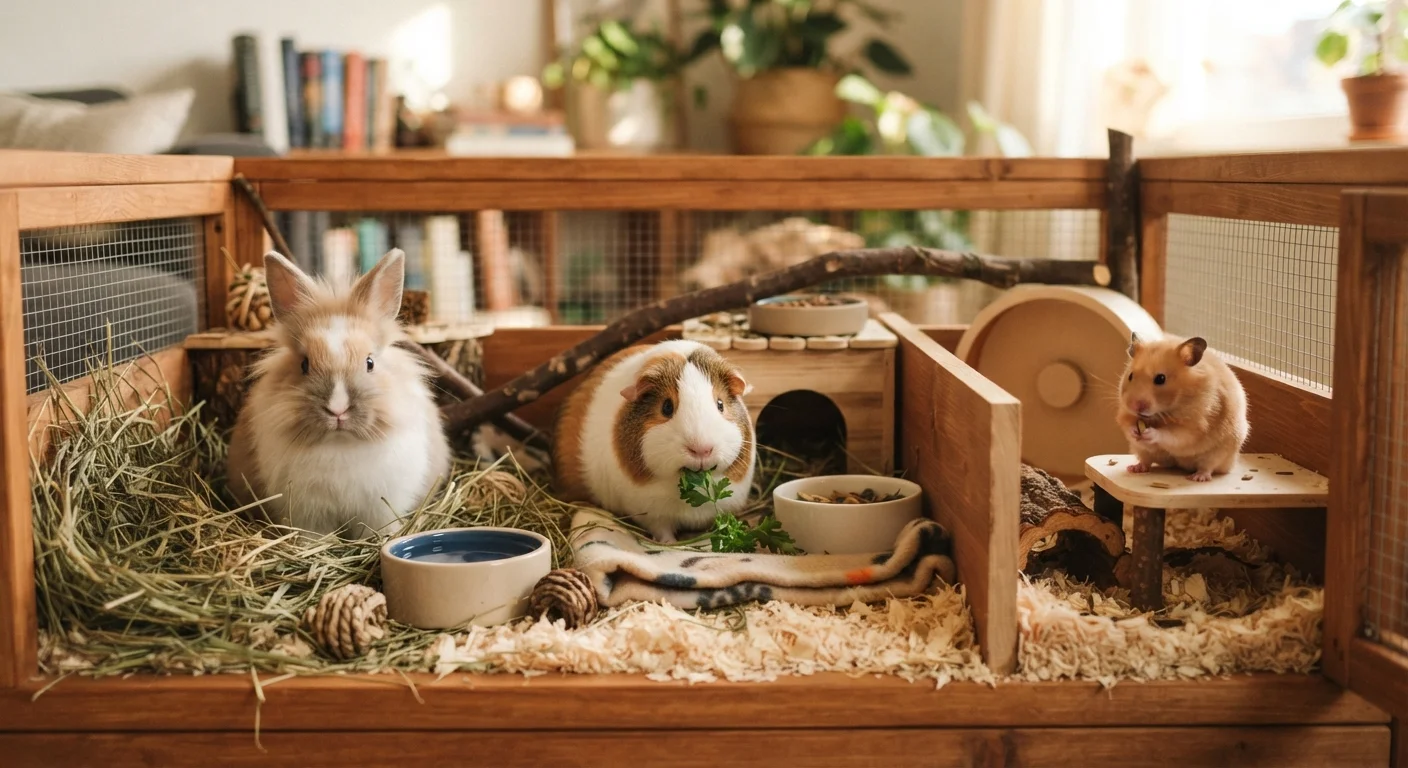
Photo: SaverSteals.com editorial
—— In This Article
Key Takeaways
- Rabbits are the longest-lived of the three, often reaching 8–12 years, requiring the deepest long-term commitment.
- Guinea pigs are highly social and generally do best kept in pairs or small groups.
- Hamsters are largely nocturnal and better suited for owners with evening availability.
- All three animals need species-appropriate diets, mental enrichment, and regular vet check-ups.
How These Three Small Pets Actually Differ
Rabbits, guinea pigs, and hamsters are often grouped together in pet stores and casual conversation, but their day-to-day needs, social instincts, and lifespans are genuinely distinct. Choosing between them isn't just a matter of preference — it's about honestly matching an animal's requirements to your living situation, schedule, and capacity for long-term care. If you're building a new routine around a small pet, our guide to building a daily routine your pet will thrive on is a useful starting point.
| Rabbits | Guinea Pigs | Hamsters | |
|---|---|---|---|
| Typical lifespan | 8–12 years | 4–7 years | 2–3 years |
| Social needs | Benefit from companionship | Strongly prefer pairs/groups | Usually solitary |
| Activity timing | Crepuscular (dawn/dusk) | Daytime active | Primarily nocturnal |
| Space requirement | High — need to roam freely | Moderate — large cage or pen | Lower — but enrichment essential |
| Handling temperament | Can be skittish; slow bonding | Generally calm and vocal | Varies; some bite if startled |
| Diet complexity | High — hay, greens, pellets | High — requires vitamin C | Moderate — pellets, fresh foods |
| Vet care availability | Exotic vet recommended | Exotic vet recommended | Exotic vet recommended |
Understanding what each species needs before you bring one home is the single most effective way to prevent surprises and set both you and your pet up for a rewarding relationship.
Rabbits: Space, Time, and a Long-Term Bond
Domestic rabbits are intelligent, emotionally complex animals that form strong attachments to their owners — but they're also frequently misunderstood as low-maintenance pets. In reality, they need daily free-roaming time outside their enclosure (a minimum of several hours), a diet built around unlimited timothy hay, and mental enrichment to prevent boredom-related behaviour like destructive chewing.
Rabbits are crepuscular, meaning they're most active around dawn and dusk. They can be skittish around loud noise or sudden handling, and many take weeks to months to fully trust a new owner. Patience and gentle, consistent interaction — sitting quietly on the floor at their level, for example — builds trust far more effectively than forcing contact.
Always Source an Exotic-Savvy Vet First
Rabbits, guinea pigs, and hamsters are all considered exotic small mammals by most veterinary practices, meaning not every vet is trained to treat them. Before bringing any of these animals home, locate a local exotic or small-mammal vet and confirm they see your chosen species. Routine wellness visits — not just emergency care — are important for catching dental, respiratory, and digestive issues early.
Because rabbits can live well over a decade, they represent a genuine long-term commitment comparable to many dog breeds. Anyone considering a rabbit alongside other pets should review guidance on multi-pet households carefully, as introductions with cats or dogs require careful management.
8–12 yrs
Average rabbit lifespan (domestic)
Domestic rabbits commonly live 8 to 12 years with proper care, according to veterinary guidelines from the House Rabbit Society.
2–3 yrs
Typical hamster lifespan
Most common hamster species, including Syrian and dwarf hamsters, have a lifespan of roughly 2–3 years under good care conditions.
Guinea Pigs: Social Animals That Thrive in Company
Guinea pigs are among the most rewarding small pets for owners who enjoy active interaction. They communicate with a rich vocabulary of sounds — including the distinctive "wheek" many owners know as a hunger or excitement call — and will often respond visibly to their owner's voice and presence.
Critically, guinea pigs are highly social animals. Housing a single guinea pig without consistent companionship from another guinea pig can lead to loneliness and stress-related health issues. Many exotic vets and guinea pig welfare organisations recommend keeping them in same-sex pairs or small groups. Introductions should be done gradually on neutral ground.
Guinea Pigs Cannot Produce Their Own Vitamin C
Unlike most animals, guinea pigs lack the enzyme needed to synthesise vitamin C internally. A deficiency can lead to scurvy, causing lethargy, joint pain, and poor coat condition. Fresh leafy greens like romaine lettuce and bell pepper should be offered daily. Consult an exotic vet about appropriate dietary support for your specific animals.
Their enclosures need to be larger than many commercial cages suggest — a 7.5-square-foot minimum is a commonly cited guideline, though more space is always better. Their diet must include a reliable source of vitamin C daily, since they cannot produce it themselves.
Hamsters: Independent, Nocturnal, and Often Misread
Hamsters are frequently marketed as starter pets, but their needs are more specific than their small size implies. Most species — particularly Syrian hamsters — are solitary by nature and should be housed alone; pairing them often results in serious fighting. They are primarily nocturnal or active in the late evening, which means the bulk of their active time may not align with a typical household's daytime routine.
Hamsters need far more space than most standard commercial cages provide. A 40-gallon tank or similarly sized enclosure with deep bedding for burrowing is a commonly recommended minimum by small-animal welfare advocates. They also need a solid-surface running wheel (not wire, which can injure legs) and enrichment to prevent repetitive stress behaviours.
Taming a hamster takes consistent, gentle effort — brief, calm handling sessions repeated over days and weeks. For solo owners thinking through how to structure care around a single-person household, this guide to solo pet ownership routines offers practical framing. As hamsters age quickly, it's also worth reading about how aging pets' needs shift to anticipate changes in their later months.
This article is for general informational purposes only and does not constitute veterinary advice. Always consult a qualified exotic animal veterinarian for guidance specific to your pet's health and care needs.

Pets Editorial Team
Pets Editorial Team is the collective byline for our editorial team and contributor network. Articles published under this byline or an editorial pen name are researched, written, and reviewed according to our editorial standards for clarity, consistency, and independence before publication.
View author profile