
Filing an Auto Insurance Claim Without the Headaches
A step-by-step walkthrough of what to do after an accident — from documenting the scene to working with your adjuster.
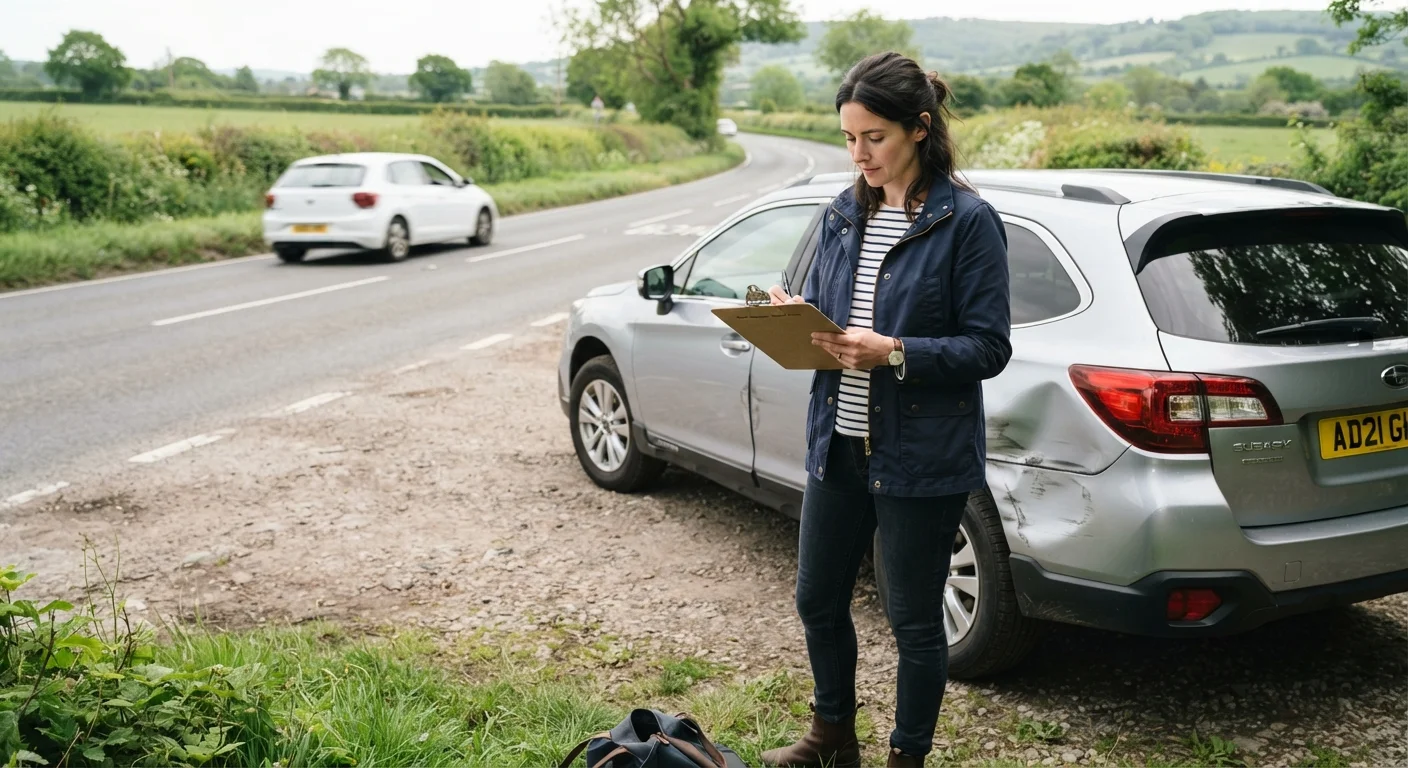
Photo: SaverSteals.com editorial
—— In This Article
Key Takeaways
- Document the scene thoroughly before moving your vehicle — photos and witness details matter.
- Notify your insurer promptly; delays can complicate or jeopardize your claim.
- Your adjuster determines fault and damage value, but you can dispute their findings.
- Knowing your deductible and coverage types beforehand prevents surprises at claim time.
- Not every incident is worth filing — weigh repair costs against your deductible and potential rate impact.
What You Need to Know Before an Accident Happens
Most drivers think about insurance only after something goes wrong — but understanding your policy beforehand makes the claims process far less stressful. If you are not sure what your coverage includes, our breakdown of auto insurance coverage types explains what liability, collision, and comprehensive coverage each protect against and when they apply.
Two numbers matter most when a claim is in play: your deductible (the out-of-pocket amount you pay before insurance kicks in) and your coverage limits (the maximum your insurer will pay). If your repair estimate is close to or below your deductible, filing a claim may not make financial sense — especially since claims can affect future premiums.
Keep a Claims Readiness Kit in Your Glove Box
Store a printed copy of your insurance card, your policy number, your insurer's claims hotline, and a small notepad in your vehicle. In a stressful post-accident moment, having this information immediately at hand saves critical time and reduces the chance of forgetting key details.
It is also worth knowing that not all incidents are treated the same way. A collision with another vehicle is handled differently from a tree falling on your parked car (a comprehensive loss) or a hit-and-run where the other driver is unidentified. For a fuller picture of how policies work, see our introduction to auto insurance.
What you will need
Following the Steps From Scene to Settlement
Once an incident occurs, the actions you take in the first hour can meaningfully affect your claim outcome. Follow each step below carefully. If you want a deeper look at what happens behind the scenes once your claim is submitted, this walkthrough of the full claims process covers the insurer's side of the process in plain language.
Never Admit Fault at the Scene
Even a casual apology can be interpreted as a legal admission of liability. Stick to exchanging insurance and contact information, and let the insurers and any investigators determine fault through their own process. What you say at the scene can affect your claim outcome.
Ensure safety and call for help if needed
Your first priority is the safety of everyone involved. If anyone is injured, call 911 immediately. Move vehicles out of active traffic only if it is safe to do so and local law permits it. Turn on hazard lights and, if available, place road flares or warning triangles to alert other drivers.
Document the scene thoroughly
Before anything is moved, take photographs of all vehicles from multiple angles, capturing damage, license plates, and the overall scene layout. Note the time, weather conditions, road markings, and any traffic signals. If witnesses are present, ask for their names and contact information.
Exchange information with other parties
Collect the following from every driver involved: full name, address, phone number, driver's license number, license plate, vehicle make and model, and insurance company name with policy number. Do not discuss fault or share details beyond what is necessary for this exchange.
File a police report when applicable
In many states, you are legally required to file a police report when an accident involves injury, death, or property damage above a certain dollar threshold. Even when not required, a police report provides an official third-party record of the incident. Request the report number before you leave — your insurer may ask for it.
Notify your insurance company
Contact your insurer as soon as it is safe and practical — ideally the same day. Most carriers have 24/7 claims hotlines and mobile apps. Provide a factual, chronological account of what happened. Avoid speculating about fault or estimating damage in dollar terms. Your insurer will guide you on next steps specific to your policy.
Work with the claims adjuster
Your insurer will assign a claims adjuster who investigates the incident, assesses vehicle damage, and determines a settlement offer. You have the right to get an independent repair estimate and, if you disagree with the adjuster's valuation, to formally dispute it. Keep copies of all correspondence and repair documentation throughout this process.
Many drivers are also surprised to discover what their policy does not cover. Our article on common auto insurance misconceptions addresses coverage gaps that frequently catch policyholders off guard.
Missing Filing Deadlines Can Void Your Claim
Most auto insurance policies include a reporting window — often as short as 24 to 72 hours for certain incident types. Check your policy's specific language and notify your insurer as soon as it is safe to do so. Waiting too long is one of the most common reasons claims get denied or reduced.
This article is for general informational purposes only and does not constitute legal, financial, or insurance advice. Coverage terms, claim procedures, and requirements vary by insurer and by state. Always consult your actual policy documents and speak with a licensed insurance professional for guidance specific to your situation.

Insurance Editorial Team
Insurance Editorial Team is the collective byline for our editorial team and contributor network. Articles published under this byline or an editorial pen name are researched, written, and reviewed according to our editorial standards for clarity, consistency, and independence before publication.
View author profile