
Collision vs. Comprehensive Coverage: What's the Difference?
Collision and comprehensive sound similar but cover very different events. Here's a clear breakdown of what each one pays for.
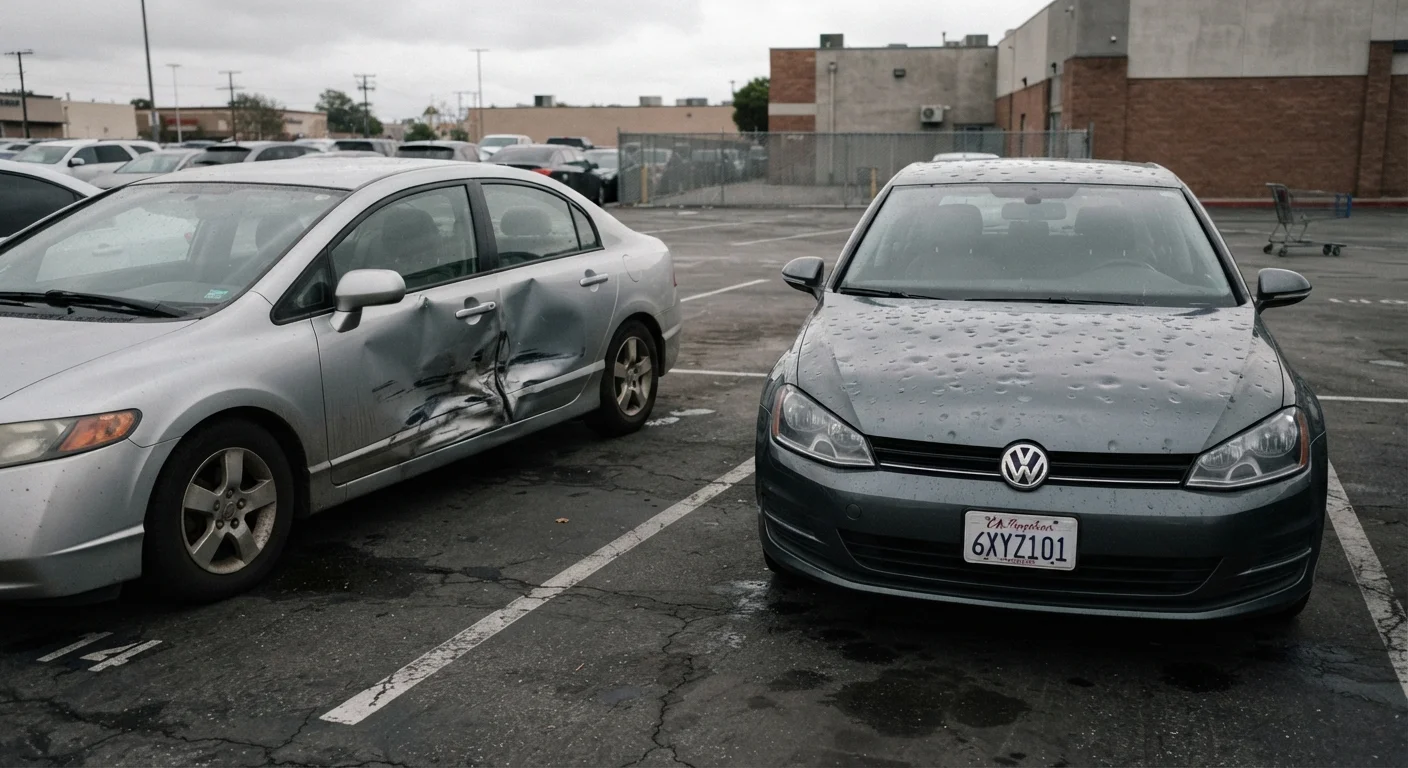
Photo: SaverSteals.com editorial
—— In This Article
Key Takeaways
- Collision coverage pays for vehicle damage caused by accidents involving another car or object.
- Comprehensive coverage pays for damage from theft, weather, fire, animals, and similar non-collision events.
- Both coverages are subject to a deductible you choose when setting up your policy.
- Lenders typically require both if you finance or lease your vehicle.
- Neither coverage pays for damage to another driver's vehicle — that's what liability insurance handles.
What Each Coverage Actually Pays For
Collision coverage applies when your vehicle makes contact with another car, a guardrail, a pole, or any other object — and sustains damage as a result. It pays to repair or replace your vehicle up to its actual cash value, minus your deductible. Fault is largely beside the point: collision coverage can pay out even when you caused the accident.
Comprehensive coverage handles a separate set of risks — ones that don't involve a road collision at all. This includes theft, vandalism, fire, flooding, hail, falling tree limbs, and collisions with animals (such as a deer strike). Like collision, it pays up to your vehicle's actual cash value after your deductible is subtracted.
A common point of confusion is thinking these two coverages overlap. They don't — they're designed to cover distinct categories of loss. If a hailstorm dents your hood, that's a comprehensive claim. If you back into a concrete pillar, that's a collision claim. For a broader look at how each coverage type fits into an overall policy, see our breakdown of auto insurance coverage types.
| Criterion | Collision Coverage | Comprehensive Coverage |
|---|---|---|
| What triggers a claim | Contact with another vehicle or object | Theft, weather, fire, animals, vandalism |
| Fault requirement | Not required — covers at-fault accidents too | Not applicable — no driving action involved |
| Deductible applies | Yes | Yes |
| Typical relative cost | Higher premium (more frequent claims) | Lower premium (less frequent claims) |
| Required by state law | No | No |
| Often required by lenders | Yes, for financed/leased vehicles | Yes, for financed/leased vehicles |
| Covers personal belongings | No | No |
How Deductibles and Premiums Work for Each
Both collision and comprehensive coverage come with a deductible — the amount you agree to pay out of pocket before your insurer pays the remainder of a covered claim. Common deductible amounts range from $250 to $1,500, though options vary by insurer and state.
Choosing a higher deductible generally lowers your monthly premium, while a lower deductible raises it. Because collision claims tend to be more frequent than comprehensive claims, collision coverage typically costs more. Your driving record, vehicle make and model, and location all influence pricing for both coverages.
~$290/yr
Average annual comprehensive premium (U.S.)
According to the National Association of Insurance Commissioners' most recent auto insurance data report.
~$490/yr
Average annual collision premium (U.S.)
Per the National Association of Insurance Commissioners' auto insurance database report, collision consistently costs more than comprehensive.
6 in 10
Insured vehicles carrying both coverages
Industry estimates suggest a majority of insured vehicles carry both collision and comprehensive, often due to lender requirements.
It's worth noting that neither coverage is required by state law — minimum auto insurance requirements in every U.S. state focus on liability protection for other people, not your own vehicle. However, if you finance or lease your car, your lender almost certainly requires you to carry both. This is a contractual obligation, not a legal one. For more on how these decisions interact, see the trade-offs between liability-only and full coverage.
Common Misconceptions Worth Clearing Up
Many drivers assume comprehensive coverage is a catch-all that handles any type of vehicle damage. It isn't. A pothole impact, a fender bender in a parking lot, or a single-car rollover — these are all collision scenarios. Comprehensive is specifically for non-collision events.
Another misconception is that these coverages protect personal belongings inside the vehicle. They do not. Items stolen from your car — a laptop, camera equipment, or a bag — are typically covered under renters or homeowners insurance, not your auto policy. See what else drivers commonly misunderstand about their auto coverage for a fuller picture.
Actual Cash Value vs. Replacement Cost
Both collision and comprehensive pay out based on your vehicle's actual cash value (ACV) at the time of the loss — not what you originally paid for it, and not what it would cost to buy a comparable new vehicle today. Depreciation is factored in, which means the payout on an older vehicle can be significantly lower than expected. Some insurers offer new car replacement or gap coverage as add-ons worth exploring if your car is newer or still heavily financed.
If you're assessing whether to keep, drop, or adjust either coverage on an older vehicle, consider comparing the annual premium cost of each coverage against your car's current market value. A licensed insurance agent can help you run this analysis for your specific situation — this article is general educational information, not personalized advice.
For guidance on evaluating quotes and comparing policy options, our guide to shopping for auto insurance covers what to look for before committing to a policy.

Insurance Editorial Team
Insurance Editorial Team is the collective byline for our editorial team and contributor network. Articles published under this byline or an editorial pen name are researched, written, and reviewed according to our editorial standards for clarity, consistency, and independence before publication.
View author profile