
Why Added Sugar Is Counted Separately — and What That Number Means
Added sugar and naturally occurring sugar behave similarly, but nutrition guidelines treat them differently. Here's the science and reasoning behind the distinction.
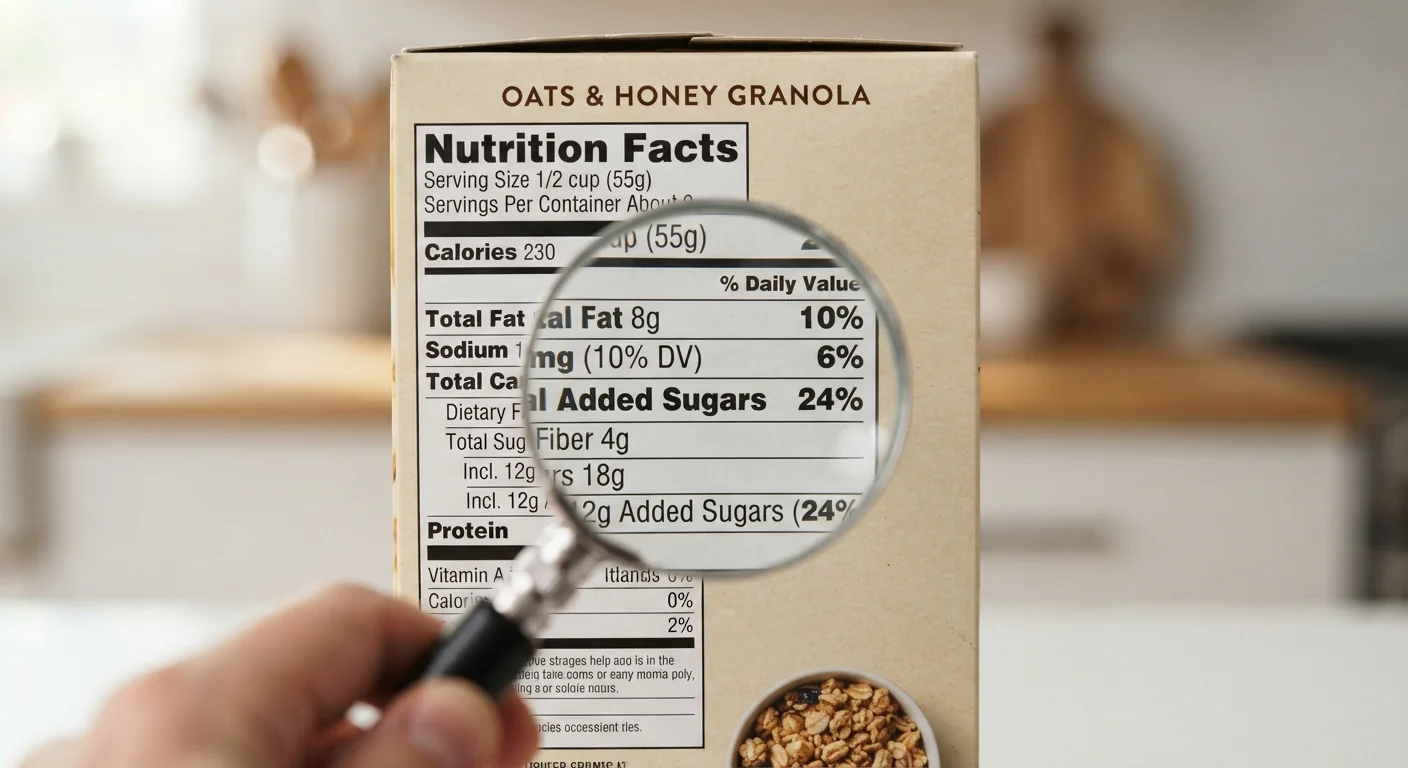
Photo: SaverSteals.com editorial
—— In This Article
Key Takeaways
- Added sugars are those introduced during food processing; naturally occurring sugars come packaged with fiber, vitamins, and minerals.
- The FDA made separate disclosure of added sugars on Nutrition Facts labels mandatory starting in 2020.
- Dietary guidelines generally recommend limiting added sugar to no more than 10% of daily calories.
- High added-sugar intake is associated with increased risk of obesity, type 2 diabetes, and cardiovascular disease.
- The distinction helps consumers make more informed comparisons between similar-looking products.
The Problem the Label Is Trying to Solve
When you look at a nutrition label and see "Total Sugars: 25g," that number alone doesn't tell you much. A cup of plain yogurt and a frosted pastry might show similar total sugar counts, yet they represent very different nutritional profiles. One contains mostly lactose — the naturally occurring sugar in milk — while the other is loaded with corn syrup and cane sugar added by a manufacturer.
That's precisely the gap the "Added Sugars" line was designed to close. As explained in our guide to the Nutrition Facts label, the FDA redesigned the label to reflect current nutritional science, and the separate added-sugar disclosure was one of its most significant updates.
The Label Update Was Not Immediate
The FDA finalized the updated Nutrition Facts label rules in 2016, but compliance was phased in. Large manufacturers were required to switch by January 2020; smaller companies had until January 2021. Some older inventory with the previous label format may have remained on shelves beyond those dates, so you may still occasionally encounter labels without a separate Added Sugars line.
Why Context Changes Everything
Sugar molecules — whether from a strawberry or a candy bar — are chemically identical once they enter your digestive system. So why does the source matter?
The answer is the nutritional package surrounding the sugar. Naturally occurring sugars in whole fruit arrive alongside dietary fiber, vitamins, antioxidants, and water. That fiber slows glucose absorption, moderating the rise in blood sugar. You're also less likely to overconsume sugar from whole fruit simply because fiber and volume create satiety.
Added sugars, by contrast, are typically stripped of that supporting cast. A 12-ounce can of soda may contain roughly 39 grams of added sugar with minimal fiber, protein, or micronutrients to moderate the metabolic response. Research consistently links high added-sugar consumption to elevated triglycerides, weight gain, and increased risk of type 2 diabetes and cardiovascular disease.
17 tsp
Average daily added sugar intake for U.S. adults
According to CDC data, American adults consume roughly 17 teaspoons of added sugar per day — well above the recommended 12-teaspoon ceiling.
10%
Recommended added-sugar cap as share of daily calories
The Dietary Guidelines for Americans set this limit based on evidence linking higher intakes to increased chronic disease risk.
~39g
Added sugar in a typical 12-oz sweetened soda
A single can of a standard cola-type beverage can contain close to a full day's recommended added-sugar allowance for many adults.
What "Added" Actually Covers
The FDA's definition of added sugars is broader than many people expect. It includes:
- Refined cane sugar and beet sugar (sucrose)
- High-fructose corn syrup and other corn-derived sweeteners
- Honey, maple syrup, agave nectar, and fruit juice concentrates used as sweeteners
- Lactose or glucose added as a processing ingredient
Importantly, the sugars naturally present in whole fruit, vegetables, and plain dairy do not count as added sugars — even if those ingredients are used in a processed product, provided no further sweetener was introduced. A smoothie made only from whole blended fruit would carry zero added sugars despite tasting sweet.
Understanding these distinctions also helps when reading ingredient lists, where added sugars often appear under 60-plus alternative names. Our ingredient list explainer covers many of the most common aliases.
Quick Label Check: Compare Like Products
When choosing between two similar items — cereals, yogurts, sauces — scan the Added Sugars line rather than Total Sugars. A lower added-sugar count in an otherwise comparable product is a straightforward way to reduce intake without overhauling your entire diet. Even small reductions across multiple daily food choices can add up significantly over time.
Putting the Number in Perspective
The Dietary Guidelines for Americans recommend that added sugars account for less than 10% of total daily calories. On a 2,000-calorie diet, that ceiling is approximately 50 grams — about 12 teaspoons.
To calibrate what that looks like in practice: a single 12-ounce sweetened soda can consume nearly 80% of that daily budget in one serving. A tablespoon of ketchup may contain 4 grams; a flavored yogurt cup can carry 15–20 grams of added sugar while appearing healthy.
The added-sugar line on a label lets you make direct comparisons — choosing a lower-added-sugar cereal over a higher one, or recognizing that a "fruit" drink is mostly sweetened water. That actionable signal is exactly what the redesigned label was built to provide.
This article is for general informational and educational purposes only and does not constitute medical or dietary advice. Consult a registered dietitian or qualified healthcare professional for guidance tailored to your individual health needs.
Frequently Asked Questions

Health Editorial Team
Health Editorial Team is the collective byline for our editorial team and contributor network. Articles published under this byline or an editorial pen name are researched, written, and reviewed according to our editorial standards for clarity, consistency, and independence before publication.
View author profile