
The Hidden Costs That Can Erase Your Secondhand Furniture Savings
Delivery fees, repairs, cleaning, and replacement parts can quietly add up. Here's how to factor them in before you commit.
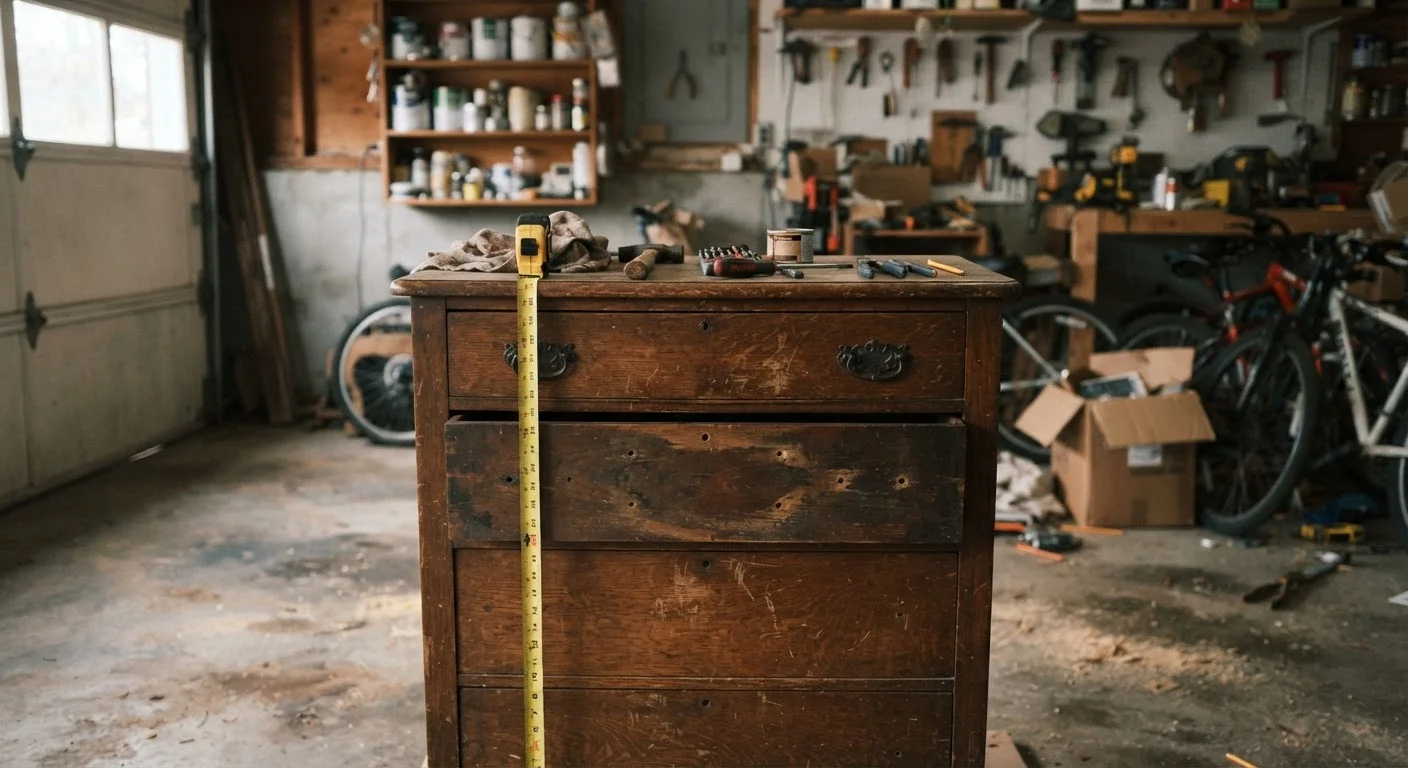
Photo: SaverSteals.com | Explore More. Shop Smarter. editorial
—— In This Article
Key Takeaways
- Delivery, repairs, and cleaning fees can collectively erase the savings on a secondhand furniture purchase.
- Always calculate total acquisition cost — not just the listing price — before committing.
- Structural damage is rarely worth repairing; cosmetic flaws usually are.
- Requesting detailed photos and measurements before pickup prevents costly surprises.
- Factoring in replacement parts availability is essential for upholstered or mechanical pieces.
Why the Listing Price Is Just the Starting Point
Secondhand furniture can deliver genuine savings — but only when you account for every dollar required to get a piece functional in your home. Most buyers anchor on the listing price and move on, which is exactly how hidden costs quietly close the gap between used and new.
The categories that catch buyers most often are delivery, cleaning, structural repairs, and replacement parts. Any one of these can be manageable. Two or three together can eliminate the savings entirely. The discipline required is simple: build a complete cost estimate before you commit, not after.
This also applies beyond furniture. The same logic holds for hidden costs in secondhand sports gear and other used-item categories where condition varies widely.
Calculate Total Cost Before You Commit
The listing price is only one part of what you'll actually spend. Add up delivery, cleaning, any replacement hardware or parts, and estimated repair labor before comparing a used piece to its new equivalent. If the total lands within 20% of a new item's cost, the secondhand option may not be worth the added effort and uncertainty.
The Mistakes That Erase Secondhand Savings
The errors below follow a consistent pattern: each one involves underweighting a real cost because it wasn't visible in the listing or felt minor at the time of purchase. Work through them as a checklist before finalizing any used furniture transaction.
Ignoring delivery logistics until after agreeing on a price.
Why it happens: Buyers focus on the listing price and assume transport is straightforward, only to discover the item is far away, too large for a standard vehicle, or requires professional movers.
Underestimating cleaning costs for upholstered pieces.
Why it happens: Listing photos are often taken in low light or at flattering angles, hiding stains, odors, and wear that only become apparent in person or after delivery.
Skipping a structural inspection before purchase.
Why it happens: Buyers prioritize aesthetics — color, style, size — and either don't know what to check mechanically or feel awkward doing a thorough inspection in front of a seller.
Overlooking replacement part availability for hardware-dependent furniture.
Why it happens: A missing drawer pull or a broken recline mechanism looks minor in a listing, but sourcing the correct replacement part can be time-consuming and expensive — or simply impossible for discontinued models.
Treating a 'great deal' price as proof the piece is worth buying.
Why it happens: A steep discount relative to retail creates a mental anchor that overrides practical evaluation — what behavioral economists call anchoring bias.
If you're sourcing pieces through online marketplaces, the risk surface expands further — misrepresentation, scam listings, and payment disputes are all live concerns. Protecting yourself when buying secondhand furniture online covers that ground in detail.
Structural Damage Is Rarely a Bargain
Wobbly legs, cracked frames, or warped tabletops often signal deeper problems that amateur repairs won't fix permanently. Professional furniture repair can run $150–$400 or more depending on the piece and region. Unless you have the skills to do the work yourself, walk away from structurally compromised pieces no matter how low the asking price.
Building a Realistic Cost Estimate
Before committing to any secondhand piece, run through four line items: transport (mileage, truck rental, or delivery service), cleaning (DIY supplies or professional service), repairs (materials and labor if you're not doing it yourself), and parts (hardware, mechanisms, or cushion replacements). Add these to the listing price and compare the total to the cost of a comparable new item — not the retail sticker, but realistic sale pricing.
$150–$400+
Typical professional furniture repair cost range
Industry estimates from furniture restoration services suggest structural repairs on wood or upholstered pieces commonly fall in this range, varying by damage type and region.
~30%
Buyers who report unexpected secondhand costs
Consumer surveys on resale marketplaces consistently find a significant share of buyers encounter costs beyond the listing price, including transport, cleaning, and repairs.
If the used total exceeds roughly 80% of what you'd pay for a reliable new equivalent, the secondhand option carries diminishing returns, especially when you factor in the time and coordination involved. The furniture savings hub has guidance on realistic new-furniture pricing benchmarks that can serve as a useful comparison point.
This article is for informational purposes only. Cost ranges cited are general estimates and will vary by location, piece type, and service provider. Always obtain your own quotes before making purchasing decisions.

Furniture Editorial Team
Furniture Editorial Team is the collective byline for our editorial team and contributor network. Articles published under this byline or an editorial pen name are researched, written, and reviewed according to our editorial standards for clarity, consistency, and independence before publication.
View author profile