Key Takeaways
Fitness Equipment Pricing
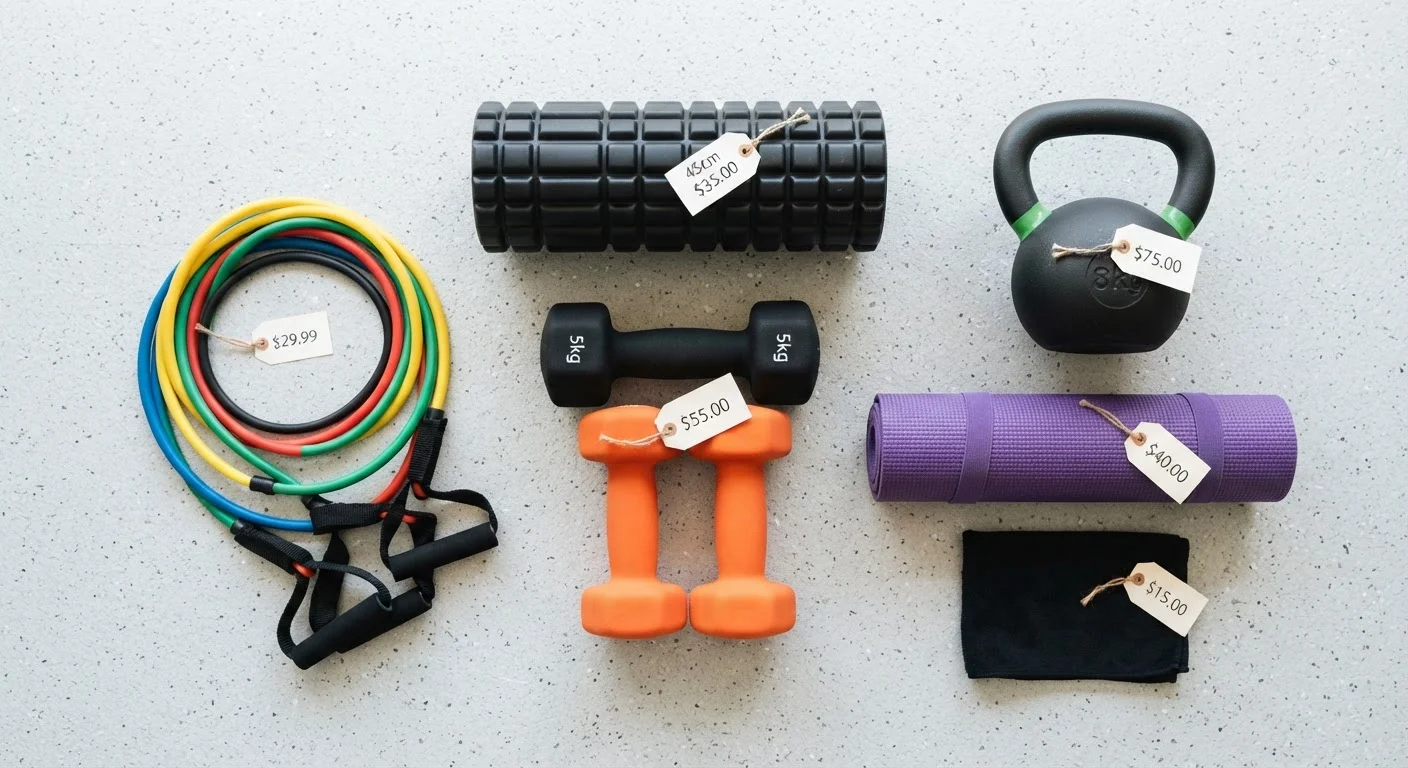
Fitness equipment pricing refers to what you actually pay for gym gear - and more importantly, what that number does (and doesn't) signal about quality, durability, and long-term value. A high price tag can reflect superior materials, brand reputation, or genuine engineering - but it can also reflect marketing spend, trendy branding, or retail markup. Understanding the difference is the key to spending smarter.
Manufacturers' suggested retail prices (MSRPs) for fitness gear often carry margins of 40-60%, meaning significant room exists for discounting without touching product quality. This gap is especially wide for cardio machines and branded strength equipment.
Why Fitness Equipment Pricing Is So Confusing
Walk into any sporting goods store - or scroll through any retailer's fitness section - and the price range is genuinely dizzying. A set of resistance bands might cost $8 or $80. A treadmill could run $300 or $3,000. And the marketing copy on each product is equally enthusiastic about being the best option for your goals.
Here's the honest truth: fitness equipment pricing is one of the most inconsistent categories in all of retail. Unlike electronics, where higher specs usually do mean measurably better performance, gym gear pricing is shaped by a complicated mix of materials science, brand equity, manufacturing geography, and frankly - how hard the company advertised on Instagram last quarter.
That doesn't mean price is meaningless. It means you need a framework for reading it. And once you have one, you'll start to see patterns that make shopping for gear genuinely exciting rather than overwhelming.
The first question to ask whenever you pick up a price tag is: what category is this product in? Because the relationship between cost and quality is radically different depending on whether you're looking at a foam roller, a set of kettlebells, or a connected stationary bike. Let's break it down.
The Three Categories Where Price Signals Mean Very Different Things
Category 1: Accessories and Soft Goods - Price Mostly Doesn't Matter
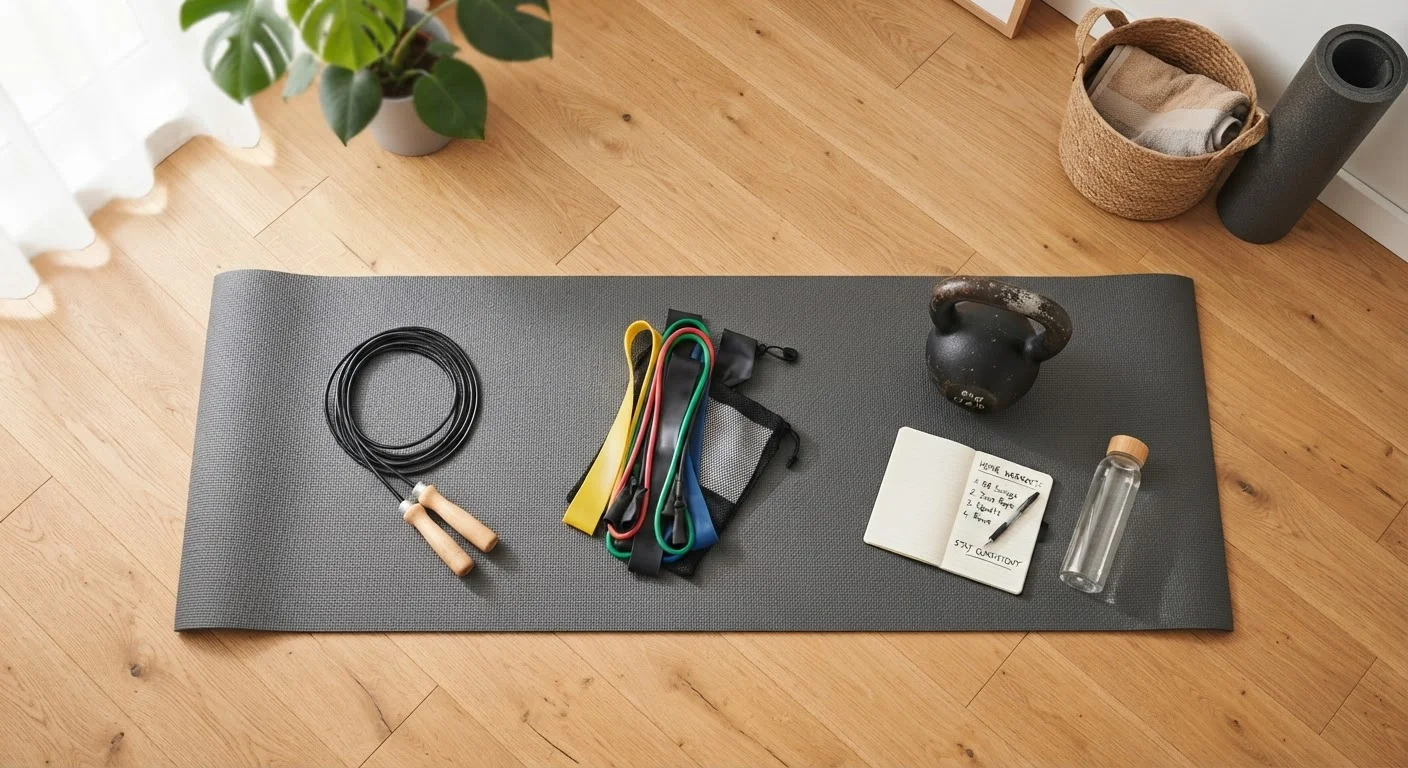
Resistance bands, yoga mats, jump ropes, foam rollers, ab wheels - this is the sweet spot for budget buyers. The materials involved are relatively simple (rubber, foam, nylon), and manufacturing quality control is high even at the low end of the market. A $12 resistance band and a $60 resistance band can be functionally identical for most workout goals.
The premium pricing here almost always comes from branding, packaging, or influencer partnerships rather than a meaningful engineering difference. See our comparison of resistance bands vs. free weights for a detailed look at how these accessible tools stack up against pricier alternatives.
The Budget Accessories Hack That Works Every Time
Before buying any fitness accessory from a name brand, search the exact product type on Amazon with a "4 stars & up" filter sorted by review count rather than relevance. Products with 5,000+ reviews and strong ratings in this category almost always match branded performance at a fraction of the price. Functional quality in soft goods is well-documented by high-volume buyers.
Set a Price Alert Before Buying Any Machine
For any cardio machine over $300, set a price alert using a browser extension or dedicated tracker before you buy. Fitness equipment cycles through genuine sale prices regularly, and waiting even 4-8 weeks can save $100-$400 on popular models. This step takes two minutes and is almost always worth doing.
Check the Weight Rating - Then Check Again
When buying any structural fitness equipment (racks, benches, cable machines), verify that the weight rating includes a meaningful safety margin above your intended use. A rack rated at 500 lbs that you plan to load at 400 lbs is cutting it uncomfortably close - well-built commercial equipment is rated at multiples of typical use, not just above it.
Category 2: Free Weights and Basic Strength Equipment - Price Matters at the Extremes
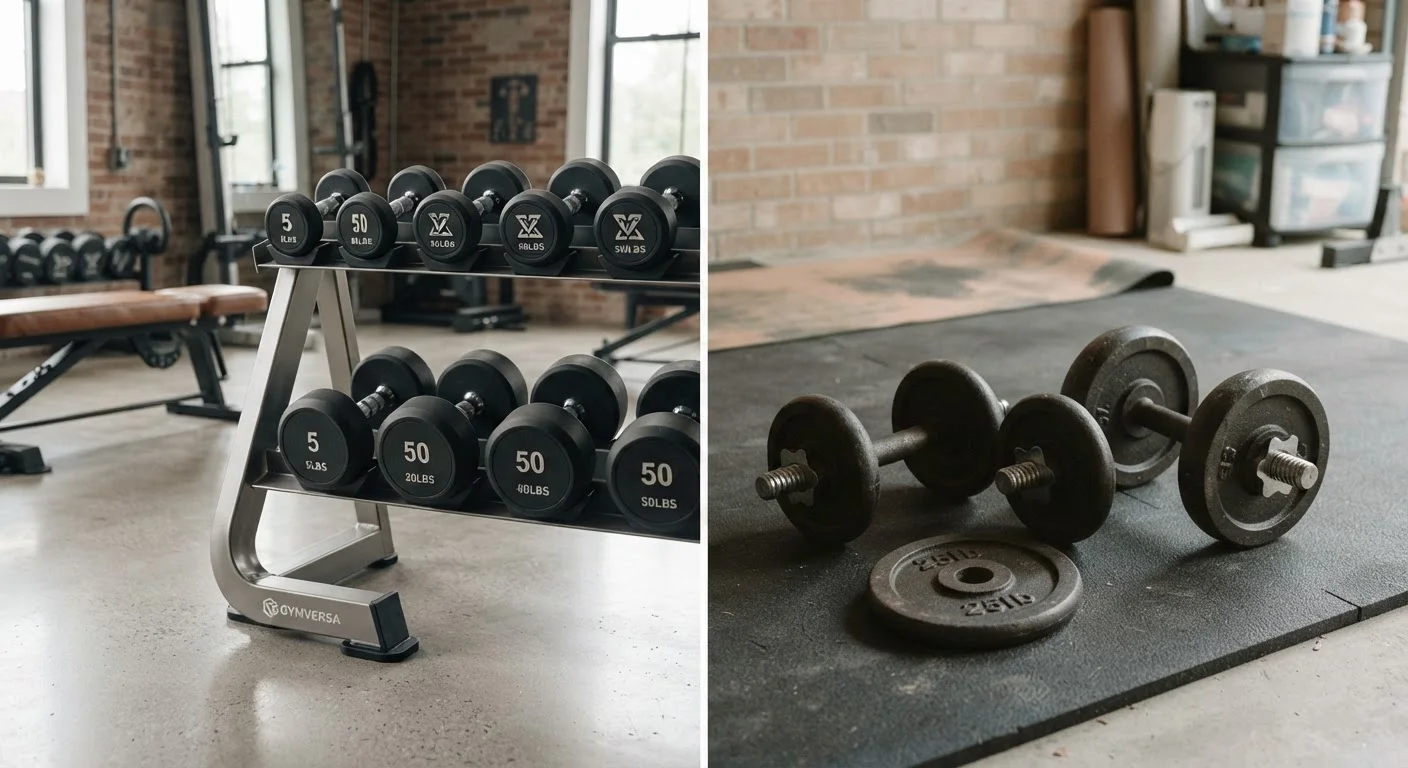
Dumbbells, barbells, kettlebells, and weight plates occupy the middle ground. For moderate home-gym users lifting under 200 lbs total, budget cast iron and rubber-coated options from lesser-known brands are generally safe and effective. The finish might be rougher, the knurling on a barbell less precise - but it won't affect your workout in any meaningful way.
However, at the high end of home use and beyond, quality does matter. A barbell rated for 300 lbs that's actually constructed to handle it safely requires precision steel tolerances and quality welds. Rock-bottom pricing on heavy barbells and squat racks is where you need to slow down and investigate rather than celebrate.
Category 3: Cardio and Smart Machines - Price Is Wildly Inflated by Ecosystem Costs
Treadmills, stationary bikes, rowing machines, and ellipticals carry some of the most inflated pricing in all of fitness retail. Here, a huge portion of your purchase price goes toward screens, proprietary software, subscription access, and brand positioning - not the mechanical quality of the machine itself.
This is the category where understanding price tracking tools becomes genuinely transformative. A connected bike that retails at $1,495 might have spent months at $995 - and that's before the secondhand market enters the picture.
The Subscription Bike Math Nobody Does
Before purchasing any connected cardio machine, calculate the 3-year total cost of ownership: hardware price + shipping + assembly + (monthly subscription × 36). For some popular connected bikes, this number exceeds $3,000 even when the bike itself costs under $1,000. A non-connected bike at the same price point may deliver better mechanical quality and a dramatically lower lifetime cost.
Secondhand Doesn't Mean Second-Rate
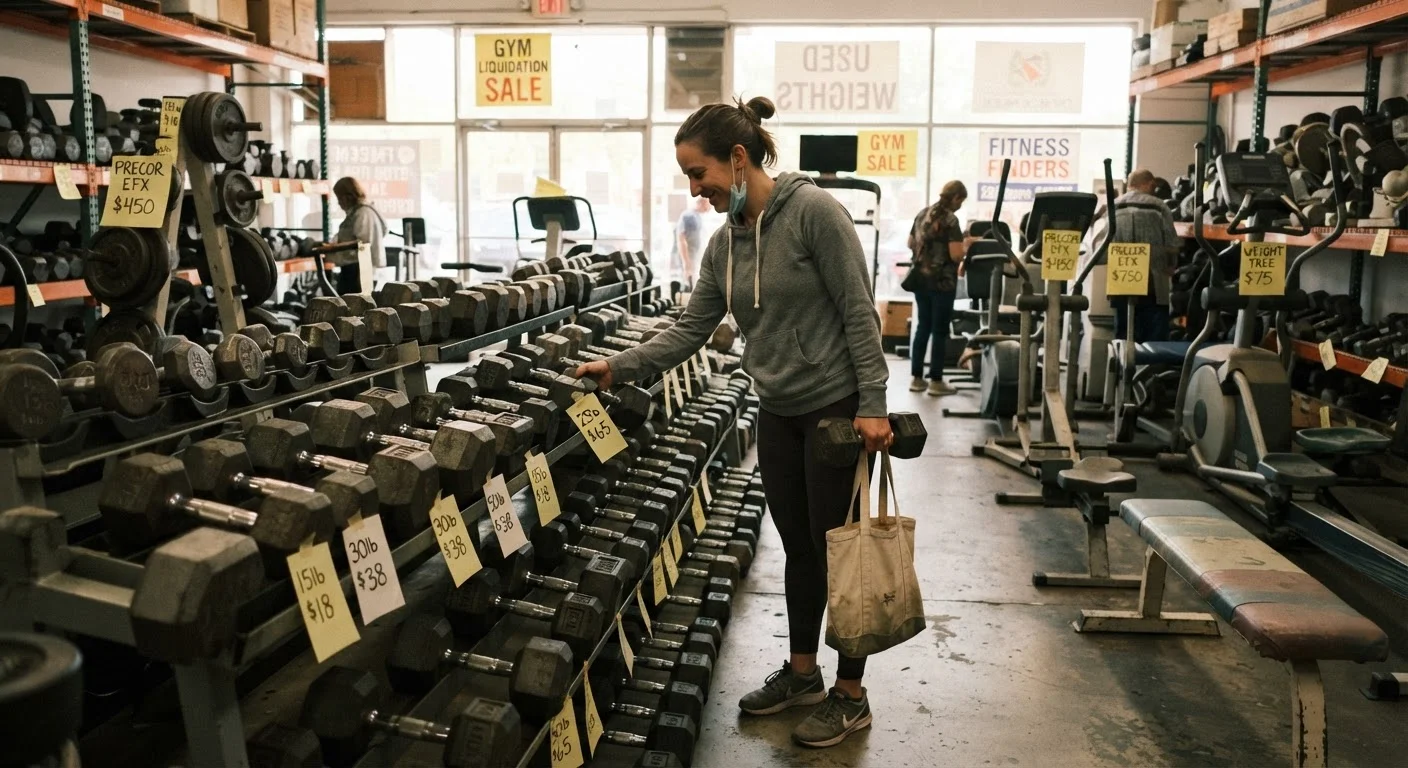
Commercial-grade fitness equipment is engineered to withstand 8-12 hours of daily use by multiple users. When a gym, hotel, or studio sells this equipment - even "used" - it often has years of functional life remaining. The residential home gym user will almost never stress a commercial barbell or dumbbell set to its limits, making secondhand commercial gear an extraordinary value category.
When "Assembly Required" Is a Hidden Red Flag
Cheap fitness machines often use lower-grade fasteners, plastic components in structural roles, and vague assembly instructions. Beyond the inconvenience, poor assembly can mean genuine instability under load. If a machine's price seems too good to be true, check YouTube for assembly walkthroughs from real buyers - the build quality reveals itself quickly in those videos.
What Actually Drives the Price Up - and What Doesn't
Let's get specific about the real cost drivers in fitness equipment, because separating legitimate value from inflated marketing spend is the core skill here.
Legitimate Cost Drivers
- Steel grade and weight ratings: Quality steel that's certified to handle heavy loads costs more to source and manufacture. This matters for barbells, rack uprights, and cable pulleys.
- Manufacturing location and labor standards: Equipment made in facilities with tighter quality control (often in the US, Germany, or higher-standard Asian factories) genuinely costs more to produce.
- Bearing and pulley systems: Smooth, durable mechanisms in rowers, cable machines, and adjustable benches depend on quality internal components that add real cost.
- Warranty and after-sale support: A 10-year frame warranty isn't just marketing - it reflects the manufacturer's confidence in build quality and their financial commitment to standing behind it.
Price Inflation That Adds Little Real Value
- Subscription ecosystems: Connected fitness brands price hardware as an entry point to recurring subscription revenue. You're often paying for the content library, not a better machine.
- Brand licensing and influencer marketing: When a celebrity or major fitness influencer partners with a brand, that cost is baked into the product price.
- Retail channel markup: Buying fitness equipment at a big-box sporting goods store versus directly from a manufacturer or warehouse retailer can mean a 30-50% price difference on identical products.
- "Limited edition" colorways and aesthetics: Prettier equipment is rarely more effective equipment.
40-60%
Typical retail margin on fitness equipment
Industry analysis of fitness retail pricing structures shows MSRPs regularly carry 40-60% margins, leaving significant room for legitimate discounting.
$39/mo
Average connected fitness subscription cost
Connected fitness platforms including major bike and treadmill brands average $39 per month for content access, adding nearly $500 to year-one cost.
10-20¢
Cents on the dollar for liquidated commercial gear
Commercial gym equipment sold through liquidation or facility closures commonly sells for 10-20% of its original retail price in working condition.
30%
Price drop in late-cycle treadmill sales
Consumer price tracking data shows treadmill prices drop an average of 30% during late summer and post-January lulls in the fitness retail calendar.
$150-$300
Typical assembly cost for large cardio machines
White-glove assembly services quoted by major fitness retailers for treadmills and rowers typically range from $150 to $300 per unit.
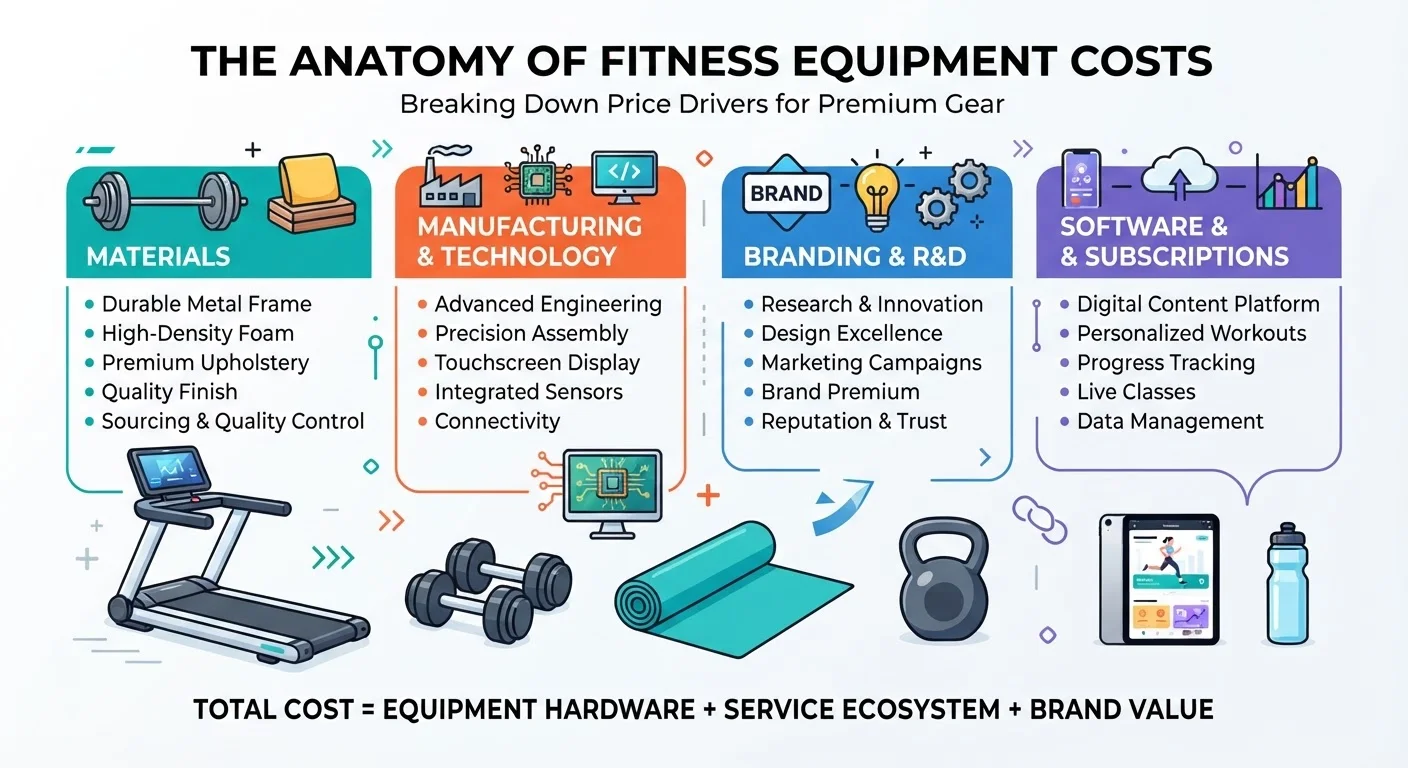
Understanding these drivers lets you look at a price tag and quickly categorize: is this premium because it's genuinely better-built, or because someone spent heavily on marketing? Often the answer is visible in spec sheets, user reviews from actual long-term owners, and simple comparison shopping across retail channels.
This same logic applies across categories - just like budget gadget specs don't always predict real-world performance, a high fitness equipment price doesn't automatically deliver proportional results.
Hidden Costs That Change the Real Price
The sticker price of fitness equipment is rarely the final price, and the gap between the two can be genuinely startling. Before you celebrate finding a "cheap" treadmill or an "affordable" adjustable dumbbell set, audit these common hidden costs:
- Shipping and delivery fees
- Heavy equipment - weight plates, machines, racks - often ships via freight carrier, adding $50-$200 to the purchase. Some retailers advertise free shipping but route you to a curbside drop-off, leaving you to handle a 300-lb box yourself.
- Assembly costs
- White-glove assembly services for cardio machines typically run $150-$300. Cheaper machines often have worse assembly instructions, meaning you spend significant time or money getting them functional.
- Subscription fees
- If the machine requires a subscription to access its core features - and many connected devices do - factor in the annual cost. A $999 bike with a $39/month subscription costs over $1,400 in year one.
- Replacement parts and consumables
- Resistance bands snap. Jump rope cables fray. Treadmill belts wear. Budget equipment often has proprietary or unavailable replacement parts, meaning you replace the whole unit when a component fails.
- Extended warranties and protection plans
- Retailers push these aggressively on fitness equipment. They're rarely worth it on simple tools but can make sense on complex machines with multiple electronic components.
For a comprehensive look at this pattern across product categories, the hidden costs that inflate affordable device purchases piece covers the same audit framework in detail.
“The fitness equipment industry has perfected the art of making consumers feel that spending more is the same as doing more. In most categories below the commercial threshold, that simply isn't true - and the data on injury rates and training outcomes bears this out.”
— Brad Schoenfeld, Exercise science researcher and author, City University of New York
When to Buy New, When to Buy Used, and When to Wait
One of the biggest missed opportunities in fitness shopping is ignoring the secondhand market entirely. Unlike fashion or beauty, fitness equipment doesn't expire, wear out from casual use, or go meaningfully out of style. A commercial-grade dumbbell set from 2010 is just as effective today - and gyms, hotels, and fitness studios regularly liquidate this equipment at 10-20 cents on the dollar.
For new equipment, timing matters enormously. Price cycles in fitness retail are predictable:
- January: Counterintuitively, New Year's resolution season brings genuine discounts as retailers compete for a surge of motivated buyers. Don't assume high demand means high prices - competition is fierce.
- Late summer (August-September): A quieter period for fitness purchases, and retailers often discount to move inventory before the holiday buying season.
- Black Friday and Cyber Monday: Real discounts exist here, but so do fake ones. Verify with a price history tool before assuming you're getting a deal.
Use the price history charts guide to verify whether a sale price is a genuine low or a manufactured markdown from an artificially inflated baseline - a tactic that's especially common with cardio machines during major sale events.
And if you're exploring secondhand options beyond just fitness gear, the principles in what thrift store pricing actually tells you apply beautifully here - price tags in the used market carry their own signals about quality and resale value that savvy shoppers learn to read.
A Category-by-Category Buying Framework
Let's make this practical. Here's how to approach pricing decisions across the most common home gym equipment categories:
| Equipment Type | Budget Option Verdict | Worth Splurging? | Best Source |
|---|---|---|---|
| Resistance Bands | ✅ Buy budget | No | Direct retailer or Amazon basics |
| Yoga / Exercise Mats | ✅ Buy budget | No unless you do hot yoga daily | Amazon, discount sporting goods |
| Foam Rollers | ✅ Buy budget | No | Any retailer |
| Dumbbells (under 50 lbs) | ✅ Budget fine | Only for adjustable sets | Secondhand, warehouse retailers |
| Barbells | ⚠️ Inspect carefully | Yes for heavy lifting | Secondhand commercial, reputable direct brands |
| Squat / Power Racks | ⚠️ Don't go cheapest | Yes - safety critical | Rogue, Rep Fitness, or secondhand commercial |
| Kettlebells | ✅ Budget fine for casual use | For competition-style only | Secondhand, discount retailers |
| Treadmills | ⚠️ Avoid rock bottom | Mid-range sweet spot exists | Secondhand, end-of-year sales |
| Stationary Bikes | ⚠️ Avoid subscription traps | Mid-range non-connected options | Secondhand connected bikes, warehouse clubs |
| Jump Ropes | ✅ Buy budget | Only for speed/double-unders | Any retailer |
The Subscription Bike Math Nobody Does
Before purchasing any connected cardio machine, calculate the 3-year total cost of ownership: hardware price + shipping + assembly + (monthly subscription × 36). For some popular connected bikes, this number exceeds $3,000 even when the bike itself costs under $1,000. A non-connected bike at the same price point may deliver better mechanical quality and a dramatically lower lifetime cost.
Secondhand Doesn't Mean Second-Rate
Commercial-grade fitness equipment is engineered to withstand 8-12 hours of daily use by multiple users. When a gym, hotel, or studio sells this equipment - even "used" - it often has years of functional life remaining. The residential home gym user will almost never stress a commercial barbell or dumbbell set to its limits, making secondhand commercial gear an extraordinary value category.
When "Assembly Required" Is a Hidden Red Flag
Cheap fitness machines often use lower-grade fasteners, plastic components in structural roles, and vague assembly instructions. Beyond the inconvenience, poor assembly can mean genuine instability under load. If a machine's price seems too good to be true, check YouTube for assembly walkthroughs from real buyers - the build quality reveals itself quickly in those videos.
This framework mirrors what experienced deal-hunters apply in other home categories - the same thinking used when deciding which kitchen tools are worth spending on. Some items genuinely justify investment; others are a waste of premium spend.
And if you're weighing two of the most popular budget fitness categories head-to-head, our resistance bands vs. free weights breakdown gets into the specifics of value per dollar on both sides.
The Budget Accessories Hack That Works Every Time
Before buying any fitness accessory from a name brand, search the exact product type on Amazon with a "4 stars & up" filter sorted by review count rather than relevance. Products with 5,000+ reviews and strong ratings in this category almost always match branded performance at a fraction of the price. Functional quality in soft goods is well-documented by high-volume buyers.
Set a Price Alert Before Buying Any Machine
For any cardio machine over $300, set a price alert using a browser extension or dedicated tracker before you buy. Fitness equipment cycles through genuine sale prices regularly, and waiting even 4-8 weeks can save $100-$400 on popular models. This step takes two minutes and is almost always worth doing.
Check the Weight Rating - Then Check Again
When buying any structural fitness equipment (racks, benches, cable machines), verify that the weight rating includes a meaningful safety margin above your intended use. A rack rated at 500 lbs that you plan to load at 400 lbs is cutting it uncomfortably close - well-built commercial equipment is rated at multiples of typical use, not just above it.
Reading the Price Tag Like a Pro
Here's the mindset shift that ties all of this together: a price tag is not a quality score. It's a data point. And like any data point, it only becomes useful when you know what else to look at alongside it.
When you pick up a piece of fitness equipment - in a store, online, or at a garage sale - run through this quick mental checklist:
- What category is this? Soft goods and accessories? Budget almost always wins. Load-bearing structural equipment? Price matters more.
- What's driving the price? Is it materials and engineering, or brand premium and ecosystem lock-in?
- What are long-term owners saying? Not launch-week reviewers - people who've used it for 12-24 months. Durability issues surface over time, not in unboxing videos.
- What's the total cost? Add shipping, assembly, subscriptions, and likely replacement costs before comparing.
- Is this the right price right now? Check price history before buying anything over $100. Fitness equipment goes on genuine sale regularly.
Armed with that framework, the fitness equipment aisle transforms from an overwhelming wall of numbers into a genuinely navigable opportunity. And with outdoor gear savings strategies running parallel to indoor fitness deals, you've got a full playbook for getting active without draining your wallet.
The goal isn't always to spend the least. It's to spend wisely - getting the maximum durability, safety, and actual fitness return on every dollar. That's a game anyone can win.