
Unexpected Stops That Make a Road Trip Memorable
Roadside oddities, scenic overlooks, and small-town diners often define a great road trip. Here's how to find and fit them into your itinerary.
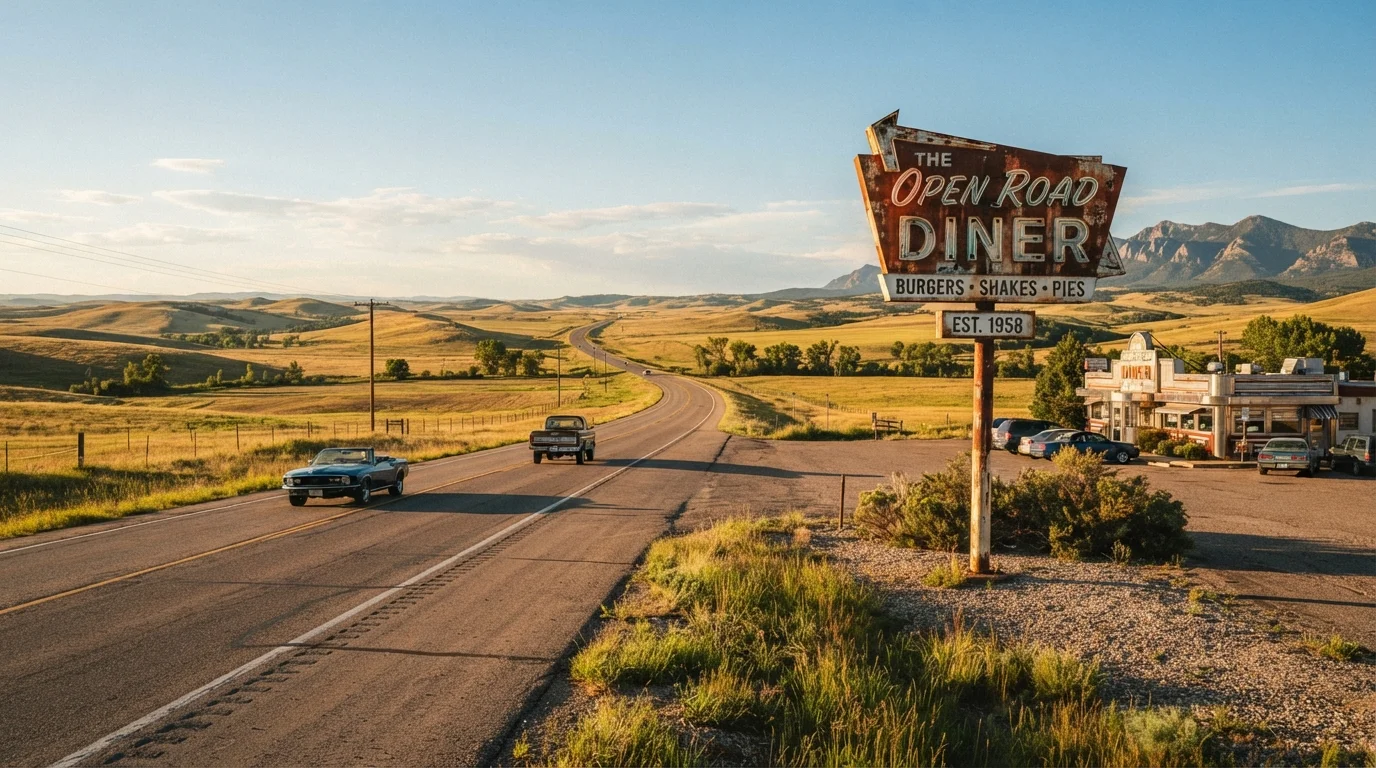
Photo: SaverSteals.com editorial
—— In This Article
Key Takeaways
- Unplanned stops at roadside attractions and small-town diners often become the most memorable parts of any road trip.
- Leaving 20–30% of your daily drive time as flexible buffer makes spontaneous detours much easier to absorb.
- Free tools like state tourism websites, roadside attraction databases, and offline maps help you discover stops in advance.
- Small towns along secondary highways frequently offer genuine local character that interstate exits rarely provide.
- Knowing when to skip a stop is as valuable as knowing what's worth pulling over for.
Why the detour often becomes the destination
Ask most experienced road trippers what they remember most, and the answer is rarely the planned highlights. It's the diner someone spotted from the highway, the overlook with no official name, the tiny museum in a town they'd never heard of. Those stops don't appear in most itineraries because they require a little slack — time, flexibility, and a willingness to pull over when something looks interesting.
Building that kind of trip isn't about abandoning structure. It's about designing an itinerary that has room in it. The six approaches below are practical, repeatable ways to find and fit unexpected stops into any road trip without blowing your schedule or your budget. For a broader foundation, road trip planning from scratch covers the logistics that make flexibility possible in the first place.
Scout stops before you leave, not only while driving
Spontaneity works better with preparation behind it. Before departure, spend 20–30 minutes reviewing the corridor you'll be driving using state tourism websites, the NPS trip planner, or community-driven roadside attraction databases. Flag three to five points of interest per day without committing to any of them — they become options, not obligations.
Download offline maps for each segment of your route so you can pull over safely and consult them without burning data or hunting for signal. Knowing roughly where a detour is before you approach it means you can make the call calmly rather than swerving at the last second.
Spontaneity works better when you've done a little homework first.
Build buffer time into your daily mileage target
Most road trip itineraries fail the spontaneity test because every hour is already spoken for. A practical rule: plan to drive no more than 70–75% of the miles your schedule could technically fit. That remaining 25–30% is your discovery window — the time that lets you linger at a scenic overlook, wander a small-town main street, or simply sit and eat without watching the clock.
If you're covering 400 miles in a day, treat it as a 300-mile day on paper. The extra cushion rarely goes wasted; on the days you don't use it, you simply arrive rested and ahead of schedule. See the comprehensive road trip planning guide for more on building realistic daily targets.
Plan for 70–75% of possible daily miles and bank the rest as discovery time.
Prioritize secondary highways over interstate segments where possible
Interstate highways are efficient, but the stops along them are largely homogenized — the same chain restaurants and fuel plazas repeat every 40 miles. State highways and US routes that run parallel to interstates often pass through towns that existed before the freeway bypassed them, preserving a roadside character that's genuinely distinctive.
Switching to a secondary road for even a 50- to 80-mile stretch can expose you to county courthouses, local bakeries, fruit stands, and murals that never appear on interstate exit signs. Weighing scenic routes against highway driving requires honest tradeoffs, but the stops you find on the slower road are often the ones you talk about later.
A single stretch of secondary highway can yield stops that interstates simply don't offer.
Give roadside oddities genuine consideration
Roadside attractions — the oversized statues, the quirky museums, the geological curiosities — tend to get dismissed as kitsch. In practice, many are legitimately interesting and take only 15–30 minutes to experience. More importantly, they function as natural break points, giving drivers a reason to stop, stretch, and reset attention before fatigue sets in.
Managing driver fatigue is a real safety concern on long drives. A deliberate stop at something memorable is more restorative than a purely functional fuel-and-coffee break. The safety habits worth building before a road trip are worth reviewing alongside any itinerary that involves consecutive high-mileage days.
A 20-minute stop at a roadside oddity is also a meaningful fatigue break in disguise.
Ask locals — not just algorithms — for recommendations
Navigation apps and review platforms surface popular stops, but popularity and quality don't always overlap. Gas station attendants, diner servers, and motel staff often know about the overlook that isn't signposted, the bakery that opens only on weekdays, or the stretch of river access that locals use but visitors almost never find.
A single genuine conversation at a fuel stop can redirect an entire afternoon more effectively than a curated list. Keep your question simple and specific: "Is there anything worth seeing between here and [next city] that most people miss?" You'll be surprised how often the answer is useful.
One honest question to a local can unlock a stop no algorithm would surface.
Know when skipping a stop is the right call
Not every flagged point of interest deserves your time. If a detour adds 45 minutes of backtracking, requires a paid entry you hadn't budgeted for, or simply doesn't interest everyone in the car — skipping it is a completely valid decision. The goal isn't to maximize stops; it's to select the ones that genuinely fit.
A useful filter: ask whether the stop is interesting to at least half the people in the vehicle, whether it fits in 30 minutes or less, and whether it's actually on or near your route. Two out of three is usually enough reason to pull over. If none apply, drive on without guilt.
A good road trip isn't about hitting every attraction — it's about choosing the right ones.
Making the most of every stop you do choose
The stops that define a road trip tend to share a few qualities: they're brief enough to feel energizing rather than obligatory, they offer something genuinely local, and they happen because someone in the car was paying attention to the road rather than just to the map. That kind of attentiveness is a habit, and it's one worth cultivating before you leave home.
Keep a simple running list of stops
Use a notes app or a folded index card to jot down potential stops as you research your route. Keep it loose — five to eight ideas per day is plenty. You won't hit all of them, but having options written down means you're not making decisions from a blank slate while driving. A short list beats an overscheduled itinerary every time.
Before any long drive, make sure the vehicle is ready to handle unexpected detours — including the ones that take you onto unpaved or unfamiliar roads. The pre-departure vehicle check is a practical step that's easy to skip and genuinely worth doing. A reliable car makes every detour feel like an opportunity rather than a risk.
Verify conditions before detouring
Road conditions, seasonal closures, and attraction operating hours can change without notice — especially for state parks, rural sites, and small-town businesses. Before committing to a significant detour, a quick check of the attraction's official website or a phone call to a local visitor center can save time and disappointment. Always confirm entry requirements and accessibility needs in advance when they matter to your group.
This article is for general informational purposes only. Travel conditions, attraction hours, and road access can change; always verify details with official sources before departing.

Travel Editorial Team
Travel Editorial Team is the collective byline for our editorial team and contributor network. Articles published under this byline or an editorial pen name are researched, written, and reviewed according to our editorial standards for clarity, consistency, and independence before publication.
View author profile