
A Year-Round Strategy for Spending Less on Tools and Hardware
From tracking price history to timing purchases around trade shows, here's how to build a consistent approach to reducing tool costs.
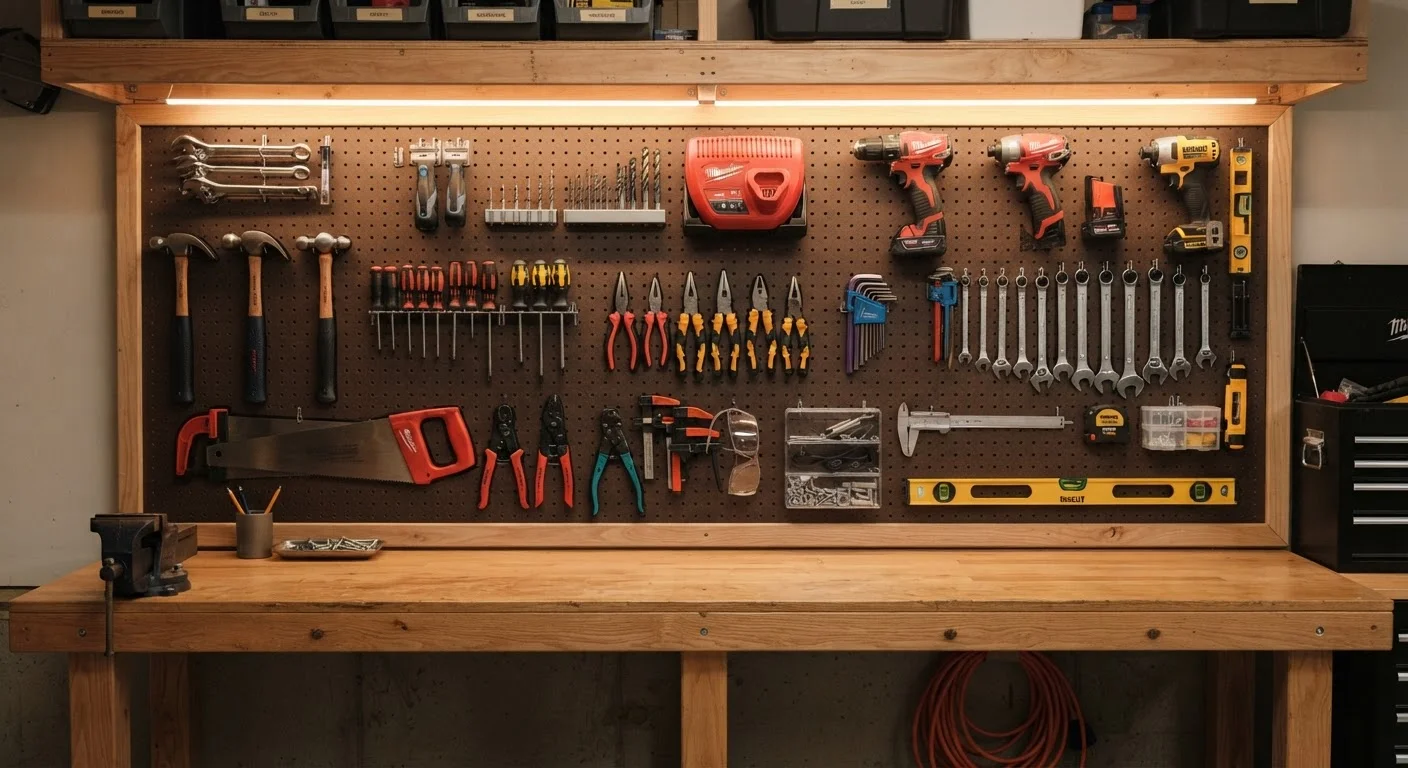
Photo: SaverSteals.com | Explore More. Shop Smarter. editorial
—— In This Article
Key Takeaways
- Hardware store sale cycles are predictable — aligning purchases to them consistently reduces costs.
- Passive price tracking shifts you from reactive impulse buys to deliberate, timed purchases.
- Loyalty programs and contractor accounts offer layered savings unavailable to one-time buyers.
- Secondhand tools and rentals are legitimate cost-reduction tools, not compromises.
- Staggering non-urgent purchases over time prevents overspending on any single project.
Why Tools Require a Different Buying Strategy
Tools and hardware sit in an unusual retail category: prices are relatively stable year-round, markdowns tend to be event-driven rather than seasonal, and the cost range spans from a few dollars for a drill bit to several hundred for a cordless power tool kit. That spread means a casual, unplanned approach to purchasing almost always leaves money on the table.
Unlike clothing or electronics — where clearance cycles are well-publicized — hardware discounts often reward shoppers who do a little homework upfront. The same discipline that works for timing garden supply purchases applies here: knowing when prices move is at least as important as knowing where to shop.
This guide builds a year-round framework — combining calendar awareness, passive tracking, loyalty stacking, and smart sourcing — so each tool purchase is a considered decision rather than a reactive one.
Mapping the Tool Sales Calendar
Hardware retailers follow recognizable promotional patterns. The most reliable windows for genuine markdowns include:
- Major holidays: Memorial Day, Labor Day, and Black Friday consistently trigger tool promotions at large home improvement and hardware chains.
- Post-trade-show periods: When manufacturers unveil new product lines at industry trade shows (typically January and mid-summer), older inventory often gets marked down at retail to clear shelf space.
- End-of-quarter retailer events: Some chains run clearance cycles tied to their fiscal quarters, particularly in late January and late July.
For a detailed breakdown of how these windows play out across different tool categories, see the tool sales calendar guide, which maps specific discount patterns by store type.
Build a 'needs list' separate from a 'wants list' and only apply discount strategies to items on the needs list first. Urgency is the enemy of patience, and patience is where the savings actually live.
Practitioners consistently find that the biggest source of tool overspending is purchasing items slightly ahead of need, before a promotional window opens.
When a new power tool line launches, check the retailer's clearance section — not its featured shelf. Predecessor models often drop 20–30% within weeks of a new generation release.
Retailers need to move prior-generation inventory quickly once new SKUs arrive, creating reliable, time-bound clearance opportunities that don't require coupon stacking.
Staggering purchases — buying a circular saw in one promotional window and a drill set in another — mirrors the approach outlined in phased furniture buying and is equally effective for workshop builds on a budget.
Price Tracking and Alert Systems
Most shoppers check a price once and decide. A more effective method is passive tracking: set a target price, configure an alert, and wait. Browser extensions and dedicated price-history sites allow you to see whether a listed price is genuinely discounted or merely the standard retail price dressed up in promotional language.
The same logic applies across categories — the mechanics described in passive price tracking for sports gear work identically for power tools and hardware supplies.
15–25%
Typical genuine discount threshold worth acting on
Price-tracking practitioners generally set alert thresholds at 15–25% below a product's historical average to filter out cosmetic promotional pricing.
30–60%
Below-retail range for quality secondhand hand tools
Estate sales and peer-to-peer resale platforms routinely surface hand tools at significant discounts compared to new retail prices when inspected carefully.
Practical steps:
- Add frequently needed items to a retailer wishlist or tracking tool when you identify a need, not when you're ready to buy.
- Set a price threshold that reflects a genuine discount — typically 15–25% below the item's historical average.
- Review alerts weekly rather than acting on every notification to avoid false urgency.
Coupons, Loyalty Programs, and Store Credit Strategies
Hardware retailers offer several discount mechanisms that stack effectively when used together:
- Store loyalty programs
- Most large hardware chains offer free membership tiers that provide member-only pricing, birthday credits, and purchase history tracking. Enrollment is straightforward and costs nothing.
- Email and app coupons
- Retailer apps frequently carry exclusive coupon codes not advertised in-store or on the main website. These can often be combined with sale pricing.
- Contractor or pro accounts
- Some retailers extend volume-pricing tiers to non-professionals who meet a minimum annual spend. The contractor account comparison explains eligibility thresholds and where casual buyers typically qualify.
- Store credit cards
- Retailer credit cards sometimes offer 5–10% back on purchases. These are worth evaluating only if you carry no balance — interest charges will negate any savings quickly.
Retailer Credit Cards Carry Real Risk
Store-branded credit cards often carry higher interest rates than general-purpose cards. The rewards structure only benefits shoppers who pay the balance in full each month. If there's any chance of carrying a balance, the interest charges will easily exceed any savings earned through the rewards program.
When Secondhand and Rental Beat Retail
Not every tool acquisition should involve a retail purchase. Two alternatives consistently outperform buying new on a cost-per-use basis:
Secondhand tools — estate sales, online resale platforms, and local classified listings regularly surface quality hand tools and older power tools at 30–60% below retail. The used tools hub covers sourcing strategies and what to inspect before buying. The main risk is purchasing worn-out or uncalibrated equipment, so hands-on inspection or a seller return policy matters.
Rental — for tools used once or twice per year, rental frequently costs less than a discounted purchase when you factor in storage, maintenance, and depreciation. The rental vs. buying comparison provides a structured way to run that math before committing to a purchase.
Putting It All Together
A year-round approach to tool spending has four interlocking layers: timing purchases to known sale windows, tracking prices passively rather than buying on impulse, stacking loyalty and coupon savings at checkout, and evaluating secondhand or rental options for infrequent-use items.
None of these strategies requires significant time investment once the habits are established. Set up price alerts for the three or four tools you expect to need in the next six months. Confirm your enrollment in any free loyalty programs at your preferred retailers. Cross-check the sales calendar before committing to a purchase outside a promotional window.
For shoppers who also buy garden supplies and outdoor hardware, the same discipline applies — the complete garden savings guide shows how layered sourcing strategies reduce costs across an entire outdoor project, not just individual line items.
The goal isn't to spend the minimum possible on every transaction. It's to avoid the routine overpayments that accumulate when purchasing is unplanned — and to make sure the money saved goes toward tools that actually get used.

Tools Editorial Team
Tools Editorial Team is the collective byline for our editorial team and contributor network. Articles published under this byline or an editorial pen name are researched, written, and reviewed according to our editorial standards for clarity, consistency, and independence before publication.
View author profile