
A Complete Guide to Spending Less Across Every Part of Your Garden
From soil prep and plant sourcing to tools, watering, and pest control — a comprehensive resource for reducing costs across the entire gardening process.
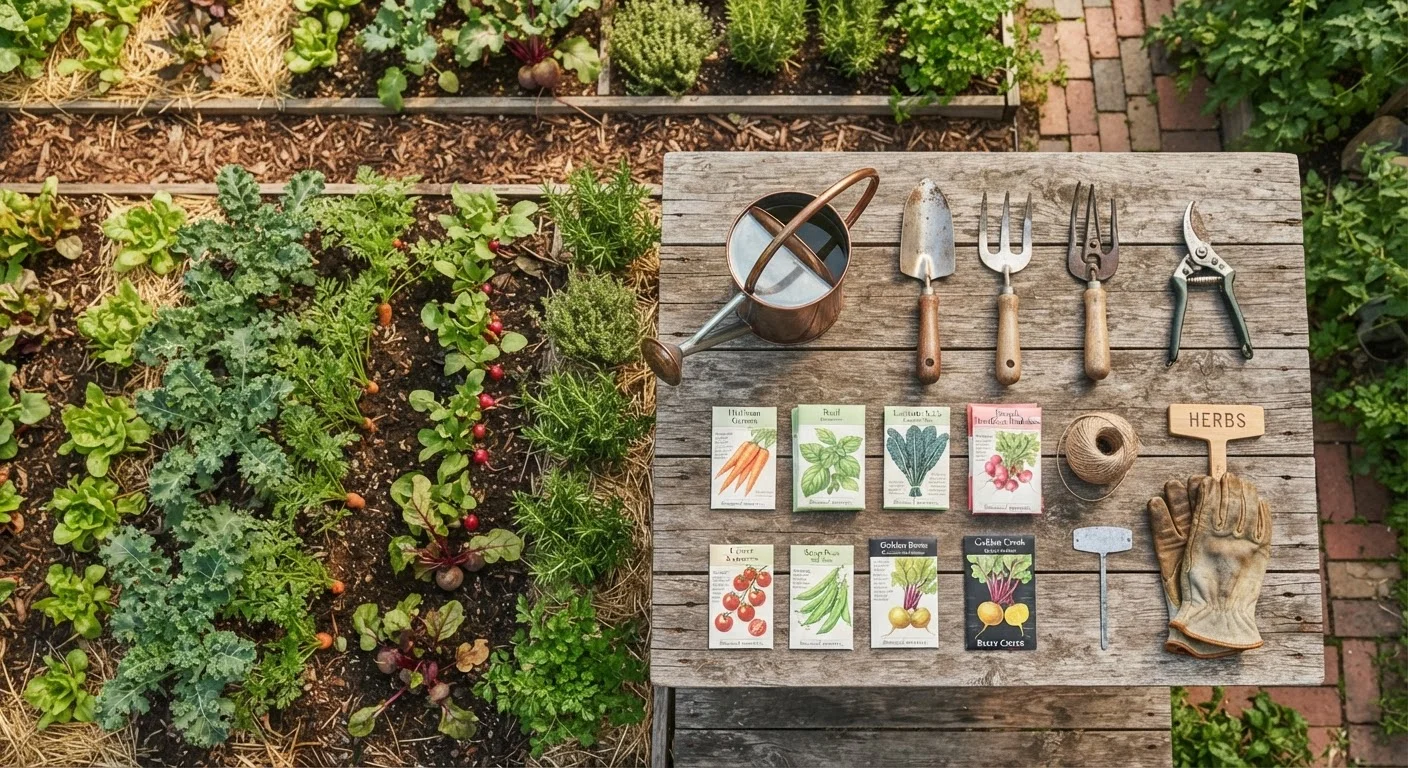
Photo: SaverSteals.com | Explore More. Shop Smarter. editorial
—— In This Article
Key Takeaways
- Home composting can eliminate or significantly reduce the need for purchased soil amendments.
- Seeds and plant divisions from community swaps often outperform expensive nursery starts.
- Secondhand and well-maintained tools can serve a home gardener just as effectively as new ones.
- Simple drip irrigation or soaker hoses reduce water use and plant losses from inconsistent watering.
- Planning your garden layout before purchasing prevents the most common budget leaks.
Why Garden Costs Add Up Faster Than Expected
Gardening has a reputation as an affordable hobby, but experienced gardeners know that costs can escalate quickly once you factor in soil amendments, plants, tools, irrigation, and pest management. The result is often a gap between what a gardener spends and what the garden actually produces or delivers in enjoyment.
The good news is that most garden spending is discretionary and responds well to simple planning. As explored in our breakdown of common gardening budget leaks, the majority of overspending comes from a handful of predictable patterns — duplicate tools, unplanned plant purchases, and amendments applied without soil testing. This guide addresses each area of garden spending in turn, offering practical approaches for reducing costs without compromising results.
~30%
Average water saved with drip vs. overhead irrigation
According to the U.S. Environmental Protection Agency, drip irrigation systems can reduce outdoor water use by roughly 30% compared to conventional sprinkler systems.
2–3x
Cost difference between seeds and transplants
Starting vegetables from seed typically costs two to three times less per plant than purchasing nursery transplants, based on general retail comparisons.
Soil and Amendments: Spend Less, Grow More
Soil products are among the highest garden expenditures, yet they are also among the most avoidable. The single most cost-effective action any gardener can take is starting a compost system. Kitchen scraps, lawn clippings, dry leaves, and cardboard are transformed into a nutrient-rich soil amendment at no cost beyond a small bin or a designated pile in a corner of the yard.
Before buying any new amendment, conduct an inexpensive soil test through your local cooperative extension office — it will tell you exactly what your soil lacks, so you don't over-apply.
Over-amending is one of the most common ways gardeners waste money; many soils need only targeted adjustments rather than broad-spectrum products.
When acquiring secondhand tools, prioritize solid-steel or hardwood-handled implements — they are far easier to restore and will outlast cheaper new alternatives.
A quality used tool with a replaced handle or sharpened blade can provide decades of reliable service at a fraction of the cost of a new equivalent.
When purchased amendments are necessary — lime to correct pH, sulfur, or a targeted fertilizer — buying in bulk and splitting quantities with a neighbor or community group substantially reduces the per-unit cost. Avoid purchasing broad-spectrum amendment packages marketed as all-in-one solutions; they tend to be priced at a premium relative to their individual components.
If you are building new beds, look into municipal composting programs — many cities and counties offer finished compost to residents at low or no cost. Wood chip mulch is frequently available free through utility tree-trimming programs, reducing both weed pressure and moisture loss, which in turn reduces watering costs.
Sourcing Plants and Seeds Without Overpaying
The plant budget is where many gardeners lose the most money relative to the return they receive. Nursery transplants are convenient but carry a significant price premium over starting plants from seed. For crops like tomatoes, peppers, squash, beans, and most herbs, seed starting at home — even with minimal equipment — is straightforward and far less expensive per plant.
Start a Seed-Saving Habit Early
Set aside a few mature fruits or flower heads from open-pollinated varieties each season. Dry, label, and store seeds in a cool, dry place. Over two or three seasons, this habit can nearly eliminate your annual seed budget for staple crops.
Community seed swaps, local gardening clubs, and online neighborhood groups are reliable sources of seeds and divisions, often at no cost. However, exercise care with any plant material from unknown sources.
Check Plant Sourcing Carefully
Plants acquired through informal swaps or from unknown sources can introduce soil-borne diseases and invasive pests into your garden. Before accepting divisions, bare-root plants, or cuttings from neighbors or online groups, inspect them carefully for signs of disease, unusual insect activity, or root abnormalities. One contaminated plant can cost far more to remediate than the transplant saved.
For perennial plants and shrubs, consider timing purchases for late-season clearance periods when nurseries discount inventory heavily. Plants purchased in late summer or early fall often establish well before winter if watered adequately, and they provide the same long-term value at a reduced upfront cost. See our introduction to building a productive garden on a limited budget for guidance on which plant categories offer the strongest value.
Tools: Buy Smart, Maintain Well
A well-chosen set of basic tools — a spade, a hand trowel, a hoe, a rake, and a quality pair of pruners — is sufficient for most home gardens. The temptation to expand this collection with specialized tools is a reliable source of unnecessary spending. Before purchasing any tool, consider how frequently you will realistically use it.
Community Resources Are Often Free
Many public libraries, extension offices, and community centers offer seed libraries, tool-lending programs, and free composting workshops. These resources are underused by most home gardeners and can dramatically lower the cost of starting or expanding a garden.
Secondhand tools are a strong option for budget-conscious gardeners. Buying quality secondhand tools from estate sales, tool swaps, or online marketplaces can yield professional-grade implements at a fraction of their original price. Sharpening blades and replacing worn handles are simple maintenance tasks that extend tool life indefinitely. For a broader framework on managing tool costs year-round, our year-round tool purchasing strategy covers timing and sourcing in detail.
Watering and Pest Control on a Budget
Water costs and plant losses from inconsistent moisture are two of the most underappreciated garden expenses. Drip irrigation or soaker hoses, both of which deliver water directly to the root zone, reduce evaporation and can meaningfully lower outdoor water bills compared to overhead sprinklers. Rain barrels, where permitted by local ordinance, collect free irrigation water and are often subsidized by municipalities.
Avoid Over-Buying at Season's Start
Spring nursery displays are deliberately designed to encourage impulse purchases. Arriving without a planting plan — including measured bed dimensions and a target plant count — is the fastest way to overspend. Stick to a written list and wait a week before returning for anything unplanned.
For pest and disease management, the most cost-effective approach is prevention through good cultural practices: proper plant spacing for airflow, crop rotation, and choosing varieties suited to your local climate. When intervention is needed, starting with the least disruptive method — physical barriers, hand-removal of pests, or targeted organic sprays — avoids the expense and environmental impact of broad-spectrum pesticides. Many common garden pest problems can be managed with diluted dish soap solutions, reflective mulches, or row covers, all of which are low-cost relative to packaged pest control products.
Understanding the real economics of food gardening can help you decide where watering and pest management investments actually pay off in yield terms.
Planning to Avoid Waste
Across every category of garden spending, planning before purchasing is the most powerful cost-reduction tool available. Dead plants, expired seed packets, and idle equipment represent real money. As outlined in our guide to reducing garden waste through better planning, the habits that prevent waste are straightforward: measure your space before buying plants, track what you actually use each season, and maintain a simple inventory of seeds and supplies before each ordering cycle.
“The most expensive garden is often the impulsive one. Every unplanned purchase — the extra flat of annuals, the specialty fertilizer — represents money that didn't need to be spent.”
— Garden Economics Research Overview, Cooperative Extension Gardening Education Literature
A written seasonal plan — even a basic sketch of bed layout with a corresponding plant and supply list — forces the kind of deliberate decision-making that prevents impulse spending. Approached this way, the garden becomes what it should be: a consistently rewarding investment of time and a modest, well-managed budget.

Home & Garden Editorial Team
Home & Garden Editorial Team is the collective byline for our editorial team and contributor network. Articles published under this byline or an editorial pen name are researched, written, and reviewed according to our editorial standards for clarity, consistency, and independence before publication.
View author profile