
Sports Equipment That Ages Well—And Gear You Should Never Buy Used
Not all secondhand gear carries the same risk. Find out which types hold up over time and which items are better purchased new for safety reasons.
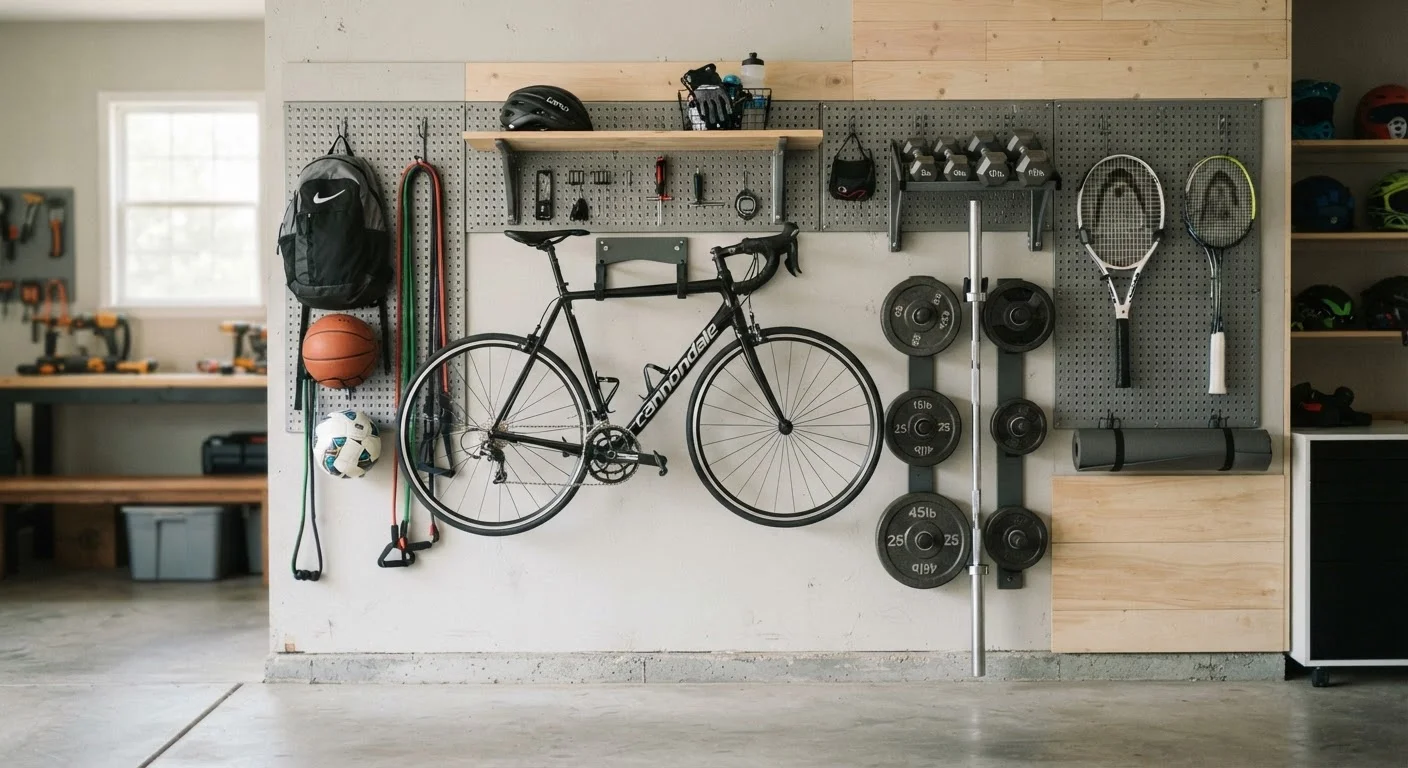
Photo: SaverSteals.com | Explore More. Shop Smarter. editorial
—— In This Article
Key Takeaways
- Metal and hardwood equipment like barbells and bats generally age well and are safe to buy used.
- Helmets, harnesses, and other impact-protection gear should almost always be purchased new.
- Inspect used equipment for cracks, corrosion, worn straps, and missing hardware before buying.
- Certified resale shops and sporting goods consignment stores offer more reliable used gear than random online listings.
- Understanding why certain gear degrades helps you make smarter, safer purchasing decisions.
The Used Gear Divide: Why Equipment Category Matters
Buying used sports equipment can stretch your budget considerably, but not every category carries the same risk. The deciding factor isn't price or brand—it's how a piece of gear fails. Equipment that wears visibly and predictably is generally safe to buy secondhand. Gear designed to absorb sudden impact or bear your full body weight under stress is a different story.
For a broader introduction to navigating this space, see our first-timer's complete walkthrough. Below, we've broken the gear landscape into specific categories—what holds up well, and what you should always buy new.
Free weights and barbells
Cast iron and steel weights are among the most durable items in any sport category. They don't compress, crack under normal use, or degrade from UV exposure. A used barbell with no visible pitting, rust, or bent collar is functionally identical to a new one. Check that the sleeves (the ends that hold plates) spin freely and that knurling—the textured grip pattern—isn't worn smooth. Surface rust can usually be removed with a wire brush and a light coat of oil. Rubber-coated bumper plates warrant closer inspection; look for delamination or chunks missing from the edges.
Cast iron barbells with intact knurling and no structural rust are virtually risk-free to buy used.
Wooden bats and racket frames
Solid wood bats and aluminum or composite racket frames tend to show wear before they fail. A wood bat with no cracks along the grain is still sound. Racket frames are worth inspecting at the throat and handle junction—that's where stress concentrates. Grips are cheap to replace and shouldn't factor into your evaluation. For composite racket frames, flex the frame gently along both axes; any creak or soft spot suggests internal delamination and warrants passing on the item. String beds are consumable and should be replaced regardless of condition.
Racket frames that feel rigid with no soft spots are generally worth restringing and using.
Bicycles and stationary frames
Bicycles occupy a nuanced middle ground. The frame, fork, and drivetrain components—chain rings, cassettes, derailleurs—are inspectable and replaceable. Look for cracks at weld points, particularly around the head tube and bottom bracket. Straightness matters: sight down the frame from the front and rear to check for bends. Consumable parts (brake pads, tires, cables, chain) should be treated as replaceable costs factored into your offer. Suspension forks on mountain bikes deserve extra scrutiny; leaking seals or seized internals are repair costs that can exceed the frame's value.
A bicycle's frame integrity is what you're buying used—consumables are just negotiating points.
Helmets — buy new, no exceptions
This is the clearest rule in secondhand gear: never buy a used helmet for cycling, skiing, climbing, or contact sports. Helmet foam liners (typically EPS, or expanded polystyrene) are engineered to crush and absorb impact once. A helmet that has sustained a significant impact may look intact while its liner is permanently compressed and unable to protect you. You cannot reliably assess prior impact history from a visual inspection. Many helmet manufacturers recommend replacement after any substantial impact, and most set a general lifespan of three to five years even for unused helmets due to material degradation. The savings aren't worth it.
Helmet foam that absorbed one impact may look fine but can no longer protect you in another.
Climbing harnesses and carabiners
Load-bearing climbing gear belongs in the same category as helmets. Harnesses are made from nylon webbing that degrades with UV exposure, sweat, dirt, and general stress—and the degradation isn't always visible. A harness more than a few years old, or one with an unknown history of falls, should not be trusted. Carabiners are similarly problematic: the locking gate mechanism can develop play or corrosion that compromises its rated load capacity. Reputable climbing organizations generally advise treating harnesses and carabiners as non-negotiable new purchases. The reputation secondhand gear has earned in this category is entirely justified.
Nylon webbing in harnesses degrades invisibly—its age alone is reason enough to buy new.
Skis, snowboards, and ski boots
Ski and snowboard decks are generally safe used purchases if inspected carefully. Run your hand along the base looking for deep gouges, delamination at the tip and tail, and any visible cracks in the topsheet near the bindings. Edge rust is usually cosmetic and can be addressed with light filing. Ski boots, however, are more complex: the plastic shell hardens and becomes more brittle with age, and the liner compresses to the previous owner's foot shape. Unless the boot fits your foot precisely out of the shell, the liner won't provide reliable support. Bindings involve additional safety calibration requirements—always have used bindings inspected and adjusted by a certified shop technician before use.
Used ski bindings must be professionally inspected and calibrated before any use on the mountain.
Fitness machines with cables and upholstery
Treadmills, cable-stack machines, and rowing ergometers can be sound used purchases—the structural frames are typically steel and last decades. The weak points are cables (check for fraying at the attachment points), belts (inspect for cracking or uneven wear on the underside), and upholstery (tears can be repaired but signal heavier use). Ask for a live demonstration before agreeing to pick up any motorized equipment; a motor that runs rough or a belt that slips under resistance signals repairs that may cost more than the machine is worth.
Always test motorized fitness equipment under load before committing to pick it up.
Making the Right Call at the Point of Purchase
The list above isn't exhaustive, but it captures the core logic: structural metal and wood age gracefully; foam, plastic shells, and load-bearing webbing degrade in ways that aren't always visible. When in doubt about a specific item, ask whether a failure during use could result in injury—if yes, default to new.
Where to Find More Reliable Used Gear
Certified pre-owned programs at specialty sporting goods stores, Play It Again Sports locations, and established consignment shops generally offer better-vetted inventory than individual online classifieds. Staff at these stores often inspect items before accepting them. If you're buying through private listings, meet in person, inspect the item thoroughly, and ask directly whether it has sustained any impact or structural damage.
Once you've acquired used gear, how you maintain it determines how long it stays safe and functional. Our guide on responsible habits for maintaining secondhand sports equipment covers cleaning, storage, and knowing when to retire a piece. And if you're curious about the broader picture of gear value over time, athletic equipment that depreciates fastest explains which categories drop in resale price fastest—useful context for timing any purchase.

Sports Editorial Team
Sports Editorial Team is the collective byline for our editorial team and contributor network. Articles published under this byline or an editorial pen name are researched, written, and reviewed according to our editorial standards for clarity, consistency, and independence before publication.
View author profile