
The Secondhand Sports Gear Market Explained
Understand how the used sports equipment market works, who sells, who buys, and what drives pricing in this growing resale space.
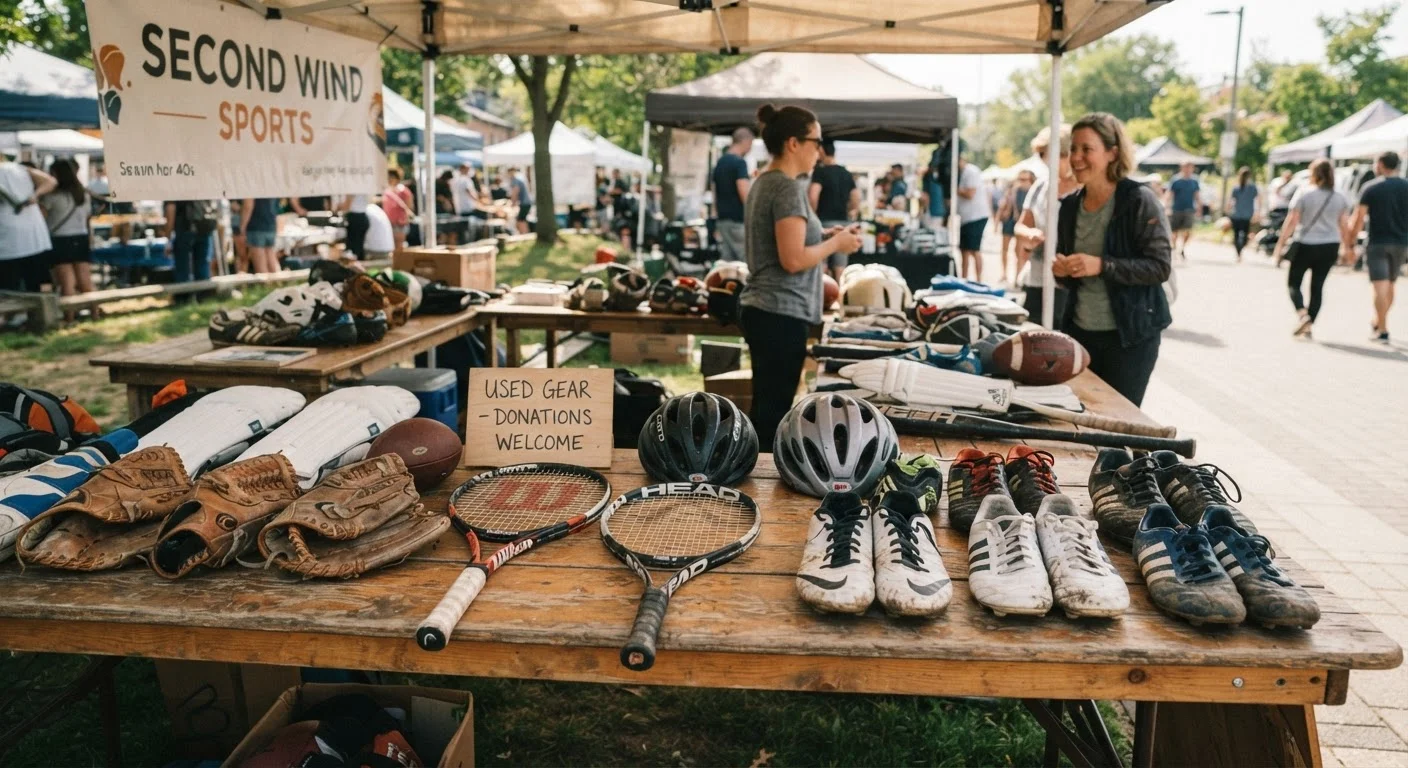
Photo: SaverSteals.com | Explore More. Shop Smarter. editorial
—— In This Article
Key Takeaways
- The secondhand sports gear market spans individual sellers, consignment shops, and online platforms.
- Pricing is driven by sport popularity, condition, and whether safety standards have expired.
- Seasonal demand cycles — tied to sport seasons — significantly affect resale values.
- High-turnover categories include youth gear, fitness equipment, and snow sports items.
- Safety-critical equipment like helmets requires extra scrutiny before purchase.
- Inspection, seller reputation, and return policies are the three pillars of a safe used gear purchase.
How the Market Is Structured
The secondhand sports gear market isn't a single place — it's a layered ecosystem. At one end sit casual individual sellers offloading gear through neighborhood apps or garage sales. At the other end are professional resellers and consignment operations with inspection processes, return windows, and structured pricing. In between, you'll find community sports swaps, school and club equipment sales, and auction-style platforms.
Understanding which channel you're using matters because each comes with different levels of buyer protection, inspection access, and pricing transparency. A peer-to-peer sale on a local marketplace means you're negotiating directly with the owner; a consignment shop has typically already vetted the item to a basic standard. Neither is inherently better — they serve different priorities.
For a parallel perspective on how this structure compares to another used goods category, see how the secondhand tool market works — many of the same channel dynamics apply.
~$20B
Estimated U.S. sporting goods resale market size
Industry analysts have placed the U.S. secondhand sporting goods market in the range of $20 billion, though estimates vary by methodology and category scope.
5–10 yrs
Typical helmet replacement window
Most helmet manufacturers recommend replacement within 5 to 10 years of manufacture date, regardless of visible condition, due to internal foam degradation.
30–70%
Typical discount vs. new retail
Lightly used sports gear commonly sells for 30–70% below new retail price, depending on category, condition, and demand timing.
What Drives Pricing in Used Sports Equipment
Resale pricing in sports gear is shaped by four primary forces: condition, sport-specific demand cycles, safety obsolescence, and original retail cost.
Condition is the most obvious factor. Gear that has been lightly used, stored properly, and shows minimal wear commands prices closer to its original value. Visible damage, missing parts, or deteriorated materials push value down sharply.
Sport demand cycles matter because many sports are seasonal. Ski equipment listed in March, when ski season is winding down, will typically fetch less than the same item listed in October. Buyers entering the market in-season have fewer negotiating options; off-season buyers often find more supply and softer prices.
Safety obsolescence is unique to protective gear. Helmets, for example, carry manufacturer-recommended replacement windows — typically five to ten years — after which the internal foam degrades regardless of visible condition. Expired safety gear loses most of its resale value and, more critically, its protective function.
Original retail cost sets a ceiling. A $600 road bike frame depreciates along a different curve than a $60 pair of shin guards. High-ticket items often retain meaningful resale value simply because the absolute dollar savings are larger.
Check Completed Sales, Not Just Asking Prices
On peer-to-peer marketplaces, filter for completed or sold listings rather than active ones. Asking prices are often aspirational; sold prices reflect what buyers actually paid. This gives you a reliable benchmark for negotiating or evaluating whether a listing is fairly priced.
Which Categories Move Most and Why
Youth sports equipment is among the highest-turnover segments in the resale market. Children outgrow gear faster than it wears out, which keeps supply steady and prices reasonable. Parents of youth athletes represent both the most active sellers and a large share of buyers in this segment.
Fitness and home gym equipment sees significant volume spikes after the new year and after major life events — moves, memberships, changed routines. Treadmills, weight sets, and stationary bikes are commonly listed in good condition because they were used infrequently before being offloaded.
Snow sports gear (skis, snowboards, boots) has a pronounced regional and seasonal pattern. Supply concentrates in late winter; demand builds in autumn. This creates predictable windows for buyers who plan ahead.
Golf equipment moves steadily year-round across most U.S. regions. The sport's culture of equipment upgrades keeps a consistent flow of functional clubs entering the resale market.
For a complete picture of how a used gear purchase unfolds from search to maintenance, the full lifecycle of secondhand sports equipment covers the end-to-end process in detail.
How to Buy Safely: The Core Principles
Three principles apply regardless of which channel you use: inspect before committing, verify seller credibility, and understand your recourse if something goes wrong.
Inspect before committing. For local purchases, examine the item in person. For online purchases, request detailed photos of wear points, buckles, straps, and any area subject to stress. For helmets and protective gear specifically, ask directly whether the item has been in a significant impact.
Verify seller credibility. On platform-based marketplaces, review seller ratings and transaction history. For individual sellers, a willingness to answer detailed questions and provide accurate photos is itself a credibility signal. Vague or evasive responses about an item's history are a legitimate reason to walk away.
Understand your recourse. Peer-to-peer sales are often final. Established resellers and consignment shops more commonly offer return windows or at least documented condition descriptions. Know what protection you have before money changes hands.
If you're new to this space, the first-timer's complete walkthrough covers exactly what to look for and how to avoid common mistakes.
This article is for informational purposes only. Safety standards for sports equipment vary by category and manufacturer — always consult current guidelines from the relevant sporting body or equipment manufacturer before purchasing safety-critical gear.
Frequently Asked Questions

Sports Editorial Team
Sports Editorial Team is the collective byline for our editorial team and contributor network. Articles published under this byline or an editorial pen name are researched, written, and reviewed according to our editorial standards for clarity, consistency, and independence before publication.
View author profile