
Off-Season Buying: Why Ski Jackets in April Cost Less Than You Think
Off-season shopping is one of the most reliable ways to save on sports gear. Here's how the pricing cycle works and how to use it to your advantage.
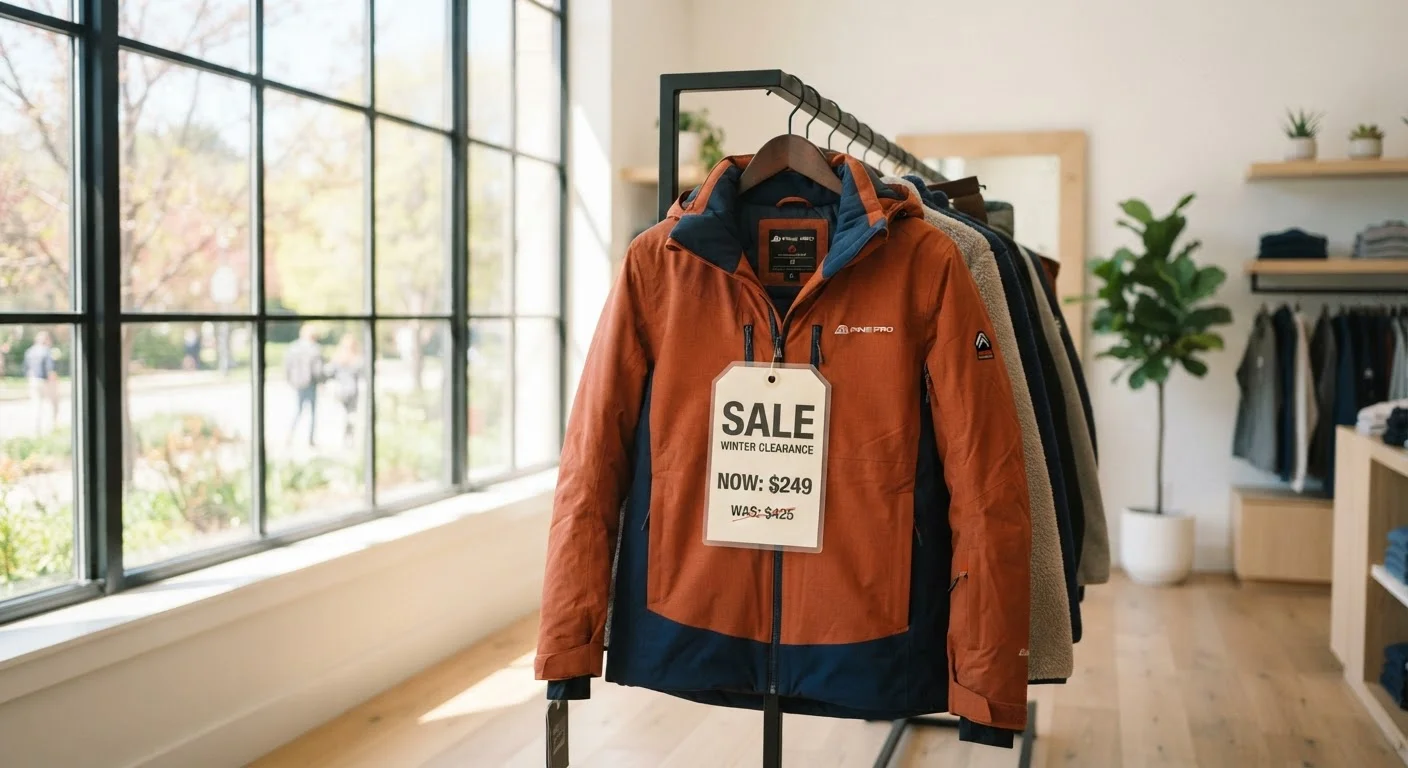
Photo: SaverSteals.com | Explore More. Shop Smarter. editorial
—— In This Article
Key Takeaways
- Ski and winter sports gear typically sees its steepest discounts in March through May.
- Retailers discount to clear warehouse space, not as a favor — the timing is predictable and structural.
- Off-season savings work best when you know your size and needs before the sale window opens.
- The same principle applies across sports: summer gear goes on sale in fall, and vice versa.
- Buying off-season requires patience and advance planning, not luck or deal-hunting reflexes.
Why Retailers Discount Seasonal Gear on a Schedule
Retail pricing for seasonal sports gear isn't random. It follows a predictable cycle driven by two forces: inventory carrying costs and shelf space demand. When ski season winds down in late February or March, stores are left holding unsold jackets, pants, goggles, and base layers. That stock costs money to store and ties up capital that needs to rotate into spring and summer merchandise.
The result is a structural incentive to discount — not a marketing gesture, but an operational necessity. This pattern repeats every year with enough consistency that informed shoppers can plan around it. The sports gear discount calendar breaks down which months trigger genuine markdowns across multiple athletic categories, not just winter gear.
30–50%
Typical post-season markdown on winter outerwear
Industry observers consistently note markdowns in this range for ski and snowboard apparel between March and May as retailers clear seasonal inventory.
March–May
Primary off-season window for ski and snow gear
This window aligns with resort closures and the retailer need to transition floor space to spring and summer merchandise.
~6 weeks
Typical duration of deepest markdown period
The sharpest discounts on winter sports gear generally persist for four to six weeks before remaining stock is either stored or discontinued.
Understanding this mechanism matters because it shifts how you think about timing. The discount isn't a surprise sale event — it's the default outcome when supply exceeds in-season demand. You don't need to watch for flash sales; you just need to show up in the right month.
The Off-Season Window for Winter Sports Gear
For ski and snowboard gear, the off-season markdown window typically opens in late March and deepens through April and May. Here's what drives each phase:
- Late March: Most ski resorts close or approach closing weekend. Retailers begin initial markdowns, often 20–30% off, to start moving stock. Selection is still broad.
- April: The primary off-season window. Discounts deepen, often reaching 35–50% on outerwear and hardgoods. This is generally where the balance of price and selection is most favorable.
- May and beyond: Clearance pricing can go deeper, but inventory is significantly reduced. Finding a specific size in a technical jacket becomes harder.
The tradeoff is straightforward: the longer you wait, the lower the price floor but the narrower the selection. Shoppers who know their size and requirements before the window opens are best positioned to act when the balance tips in their favor.
Prepare Before the Window Opens
Off-season deals reward shoppers who know what they need before the markdown period starts. Spend ten minutes in February listing the gear that genuinely needs replacing — jacket, base layers, helmet — so you're not making decisions under time pressure when April arrives. Shoppers who browse without a clear target often end up buying things they don't need, even at reduced prices.
Applying the Same Logic to Other Sports
Off-season buying isn't exclusive to ski gear. The same inventory-driven logic applies across most seasonal sports categories:
- Summer sports (cycling, paddling, open-water swimming)
- Post-season markdowns typically begin in August and extend through October as retailers prepare for holiday and winter inventory.
- Team sports and school athletics
- Back-to-school demand peaks in late summer; remaining stock discounts in October and November.
- Running gear
- Less strictly seasonal, but spring running shoe releases create markdowns on prior-season models from March through May.
For a sport-by-sport breakdown of when and where pricing patterns shift, sport-by-sport gear savings strategies covers the major athletic categories in detail.
The secondhand market follows a parallel pattern worth noting. When in-season demand is high, resale prices rise. Off-season, supply increases as people upgrade gear or clear storage. Seasonal timing in the used sports gear market explains how to use that cycle alongside new-gear discounting.
How to Make Off-Season Buying Work in Practice
The strategy requires one thing most impulse-driven shoppers don't do: decide what you need before you need it. Here's a practical framework:
- Audit your gear before the season ends. Identify what genuinely needs replacing — not what would be nice to upgrade — before the sale window opens.
- Know your size and requirements precisely. Off-season shopping rewards preparation. If you need to return an item, you may miss the replacement window.
- Set a target price range, not a target discount percentage. A 40% markdown on an overpriced item may still exceed what a 20% markdown on a fairly priced item would cost.
- Check both new and used channels simultaneously. Used sports equipment often sees its own seasonal price shifts, and the overlap with new-gear clearance can offer the best combined value.
One common trap: buying off-season gear that doesn't match your actual plans. A jacket at 45% off is only a good decision if you'll actually ski next winter. Unplanned gear purchases are one of the most consistent ways active shoppers overspend — even when individual items seem like deals.
Frequently Asked Questions

Sports Editorial Team
Sports Editorial Team is the collective byline for our editorial team and contributor network. Articles published under this byline or an editorial pen name are researched, written, and reviewed according to our editorial standards for clarity, consistency, and independence before publication.
View author profile