
Sport-by-Sport Gear Savings Strategies: From Running to Team Sports
Discount patterns vary widely by sport. This breakdown covers the most effective savings approaches for seven common athletic categories.
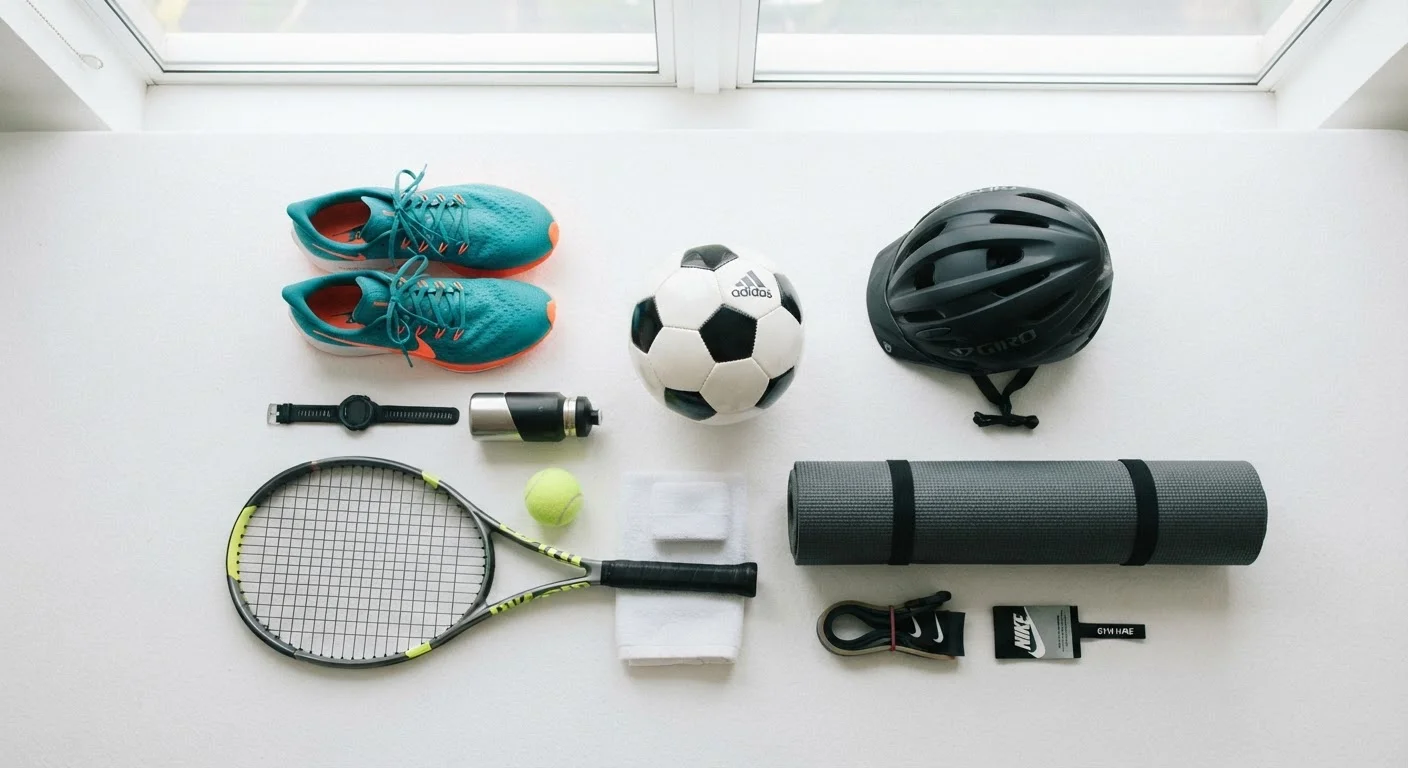
Photo: SaverSteals.com | Explore More. Shop Smarter. editorial
—— In This Article
Key Takeaways
- Each sport has a distinct pricing cycle tied to seasonal demand and retail model turnover.
- Off-season purchasing typically yields the most consistent markdowns on sport-specific gear.
- Used and secondhand equipment is a reliable option for most sports except protective safety items.
- Running shoe pricing resets most frequently due to rapid model refresh cycles.
- Team sport gear discounts cluster around end-of-season inventory clearances.
- Understanding depreciation patterns helps you time purchases for maximum value.
Why Savings Strategies Differ by Sport
A single blanket approach to sports gear savings rarely works because each athletic category operates on its own retail calendar, depreciation curve, and resale market. Cycling hardware follows a completely different markdown schedule than team sport uniforms. Ski gear has predictable off-season windows that running shoes do not. Treating these categories the same leads to missed opportunities and unnecessary spending.
The foundation of any sport-specific savings plan is understanding two things: when demand peaks (which is when prices are highest) and how quickly a product model turns over (which determines how fast value drops). See our sport-by-month discount calendar for a detailed look at which months reliably produce genuine markdowns.
Running and Walking
Running shoe pricing is driven almost entirely by model-year cycles. Manufacturers release updated versions on a roughly annual basis, and when a new version launches, the prior model often drops 20–40% at major retailers within weeks. The savings window is real but narrow — popular sizes sell through quickly.
The practical strategy: identify the shoe model that fits your biomechanics, then monitor for the successor model's announcement. That announcement is your cue to act on the outgoing version. Apparel for running (shorts, tights, base layers) follows a more standard seasonal pattern — late winter and mid-summer clearances are the most consistent windows.
When a new running shoe version launches, set a price alert on the outgoing model immediately — the steepest markdowns often happen within the first four to six weeks of the new model's release, before stock of the old version depletes.
Retailers move quickly to clear shelf space for incoming inventory, creating a concentrated discount window that closes as popular sizes sell out.
For cycling gear, cross-reference a component's model year before buying used — a two-year-old drivetrain component in excellent condition is often indistinguishable in performance from a new one but can cost significantly less.
Cycling drivetrain standards change slowly, meaning older components remain compatible and functional for longer than in many other equipment categories.
The secondhand market for running shoes is limited because footwear is highly personal and wears unevenly, but gently used GPS watches and running accessories resell well and depreciate quickly after model updates.
Cycling
Bikes and cycling components follow an autumn-reset cycle. New model years typically arrive at dealers in late summer to early fall, which means late fall and winter are the most productive times to find prior-year inventory at reduced prices. Complete bikes depreciate more predictably than running shoes, and the secondhand market for bicycles is one of the most active in all of recreational sports.
For components (pedals, saddles, wheels), the model-refresh cycle is slower, so the used market offers strong value without significant safety trade-offs. Helmets are a meaningful exception — a helmet that has sustained any impact should not be purchased secondhand, as internal damage is not always visible. See our guide to fast-depreciating athletic equipment for more on which cycling categories lose value fastest.
Never Buy a Used Helmet — Any Sport
Helmets for cycling, skiing, snowboarding, baseball, and other impact sports should not be purchased secondhand. Internal foam liners can sustain invisible damage from a single impact, compromising protection without any visible sign of wear. This applies equally to low-cost used helmets that appear pristine. Always source protective headgear new.
Winter Sports: Skiing and Snowboarding
Winter sports gear has among the most predictable off-season pricing of any athletic category. Ski and snowboard equipment, outerwear, and boots reach their lowest prices between late February and April, as retailers move remaining inventory before storage season. Discounts during this window are frequently substantial on hardgoods and apparel alike.
The mechanics of off-season ski gear pricing follow a consistent pattern year over year. Skis and snowboards also have an active secondhand market — adult skis in particular hold shape well and can be inspected visually for edge and base condition. Boots are more personal and should be tried in person regardless of source.
Team Sports: Soccer, Baseball, and Basketball
Team sport gear pricing clusters around two events: the start of the season (when demand and prices spike) and the end of the season (when clearance begins). For youth leagues especially, gear purchased mid-season or post-season can cost significantly less than the same items purchased in the registration window.
Balls, training equipment, and non-protective accessories are excellent secondhand candidates. Protective gear — batting helmets, shin guards, chest protectors — carries higher safety stakes and warrants more caution on the used market. For team uniforms, buying outside of peak registration periods and avoiding co-branded league merchandise can reduce per-item cost considerably. Phasing your team sport purchases across the calendar rather than front-loading at season start is one of the most effective budget strategies available.
30–50%
Typical off-season ski gear markdown range
Late-winter clearance events at specialty retailers and online channels commonly produce discounts in this range on prior-season hardgoods.
Feb–Mar
Peak window for used home gym equipment availability
Used fitness equipment listings historically spike in February and March as post-holiday purchases re-enter the resale market.
20–40%
Common discount on outgoing running shoe models
Retailers and manufacturers typically reduce prior-version footwear prices shortly after a successor model reaches shelves.
Racket Sports: Tennis and Pickleball
Tennis equipment has a mature, well-established secondhand market. Rackets hold their playability reasonably well, and many players upgrade frequently, making lightly used frames widely available. Strings are a consumable and should always be purchased new. Footwear for court sports follows the same model-refresh logic as running shoes.
Pickleball is a newer category and pricing is still stabilizing. Because the sport's popularity has grown rapidly, used equipment supply is thin relative to demand, which keeps resale prices elevated compared to more established sports. Waiting for the market to mature before investing in premium pickleball gear is a reasonable approach for budget-conscious players.
Fitness and Gym Equipment
Home gym equipment saw a significant demand surge that temporarily disrupted normal pricing patterns. That market has since normalized, and used fitness equipment — dumbbells, weight plates, benches, resistance bands — is now widely available at significant discounts relative to retail. The post-January period (February through March) is historically one of the strongest windows for used gym equipment availability as New Year's purchases re-enter the market.
For cardio machines (treadmills, stationary bikes, rowing machines), the used market offers strong value but requires inspection — motors and belts wear out and can be expensive to service. Confirming return policies or testing in person before purchase reduces risk. Check the used sports equipment hub for guidance on evaluating secondhand fitness gear.
Applying These Strategies Across Your Gear Budget
The common thread across all seven categories is timing. Buying at peak demand — when a season starts, when a sport is trending, when youth registration opens — is consistently the least efficient time to purchase. Building a forward-looking gear plan helps avoid reactive purchases at peak prices. Our breakdown of why sports gear budgets fail covers the behavioral patterns that lead to overspending and how to counter them.
For shoppers managing gear across multiple sports or family members, a category-by-category phased approach distributes spending across the year and allows each purchase to land in its optimal pricing window. The difference between outlet and clearance pricing is also worth understanding before committing to a channel — not all discounts reflect the same underlying value.
This article is for informational purposes only. Prices, availability, and market conditions vary by location and over time. Always inspect safety-related equipment carefully before purchase, regardless of source.

Sports Editorial Team
Sports Editorial Team is the collective byline for our editorial team and contributor network. Articles published under this byline or an editorial pen name are researched, written, and reviewed according to our editorial standards for clarity, consistency, and independence before publication.
View author profile