
Building a Sports Gear Wardrobe Without Replacing Everything at Once
A phased, category-by-category approach to refreshing athletic gear helps stretch your budget across multiple seasons rather than one big spend.
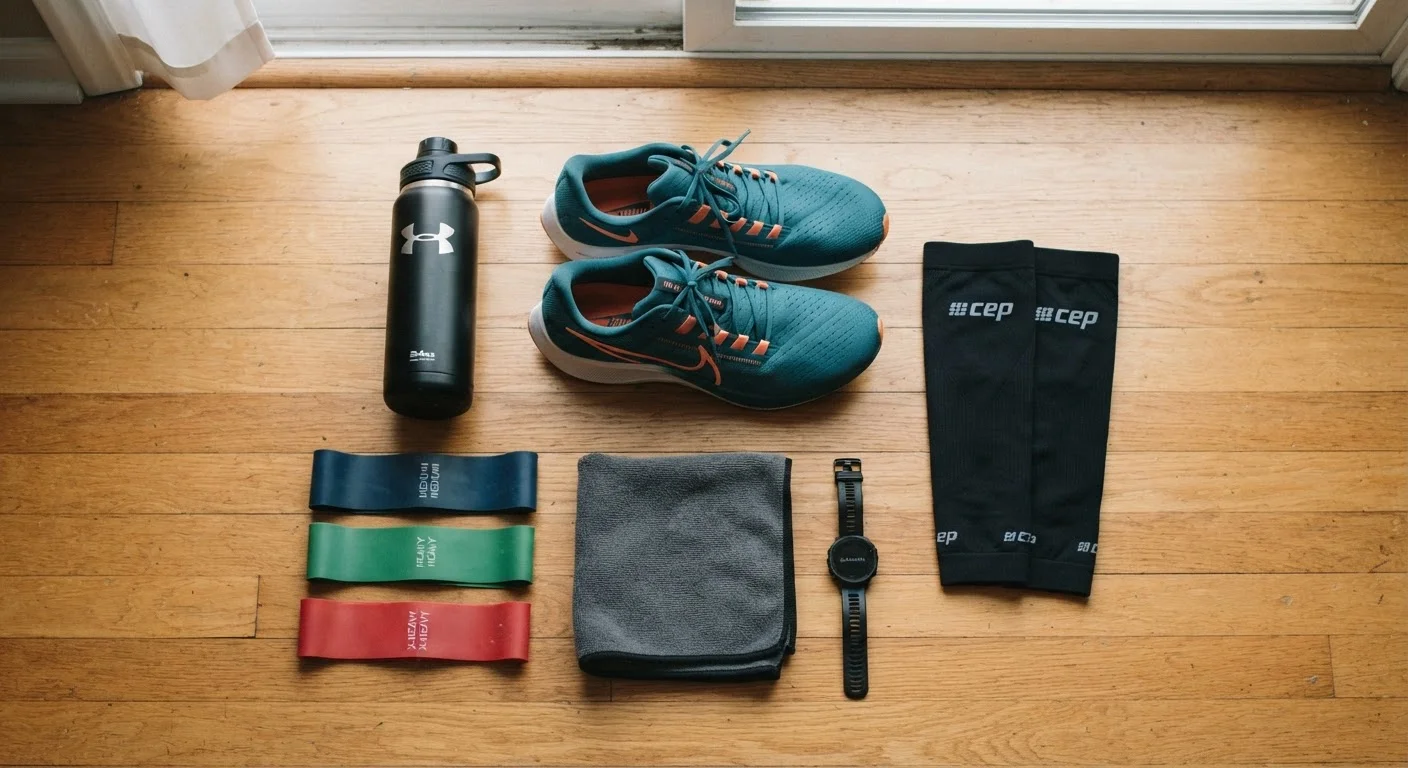
Photo: SaverSteals.com | Explore More. Shop Smarter. editorial
—— In This Article
Key Takeaways
- Auditing what you already own before buying anything is the most effective first step.
- Replacing gear by category — not all at once — lets you catch off-season price drops.
- High-contact, safety-critical items should be prioritized over convenience accessories.
- Secondhand sources can meaningfully reduce cost on durable, low-wear equipment.
- Tracking seasonal pricing patterns improves your timing on category-specific purchases.
Why a Phased Approach Saves More Than a Single Shopping Trip
Buying all your sports gear at once feels efficient, but it almost always leads to overspending. You're making multiple decisions under time pressure, often before a season starts when demand — and prices — are at their peak. A category-by-category strategy spreads those decisions across the calendar, giving you more opportunities to catch off-season markdowns and avoid impulse purchases you'll later regret.
The principle mirrors what works in other spending categories. As outlined in staggering furniture purchases over time, phasing out replacements lets you compare prices across multiple sale windows rather than settling for whatever's available right now. The same logic applies directly to athletic gear.
If you're newer to budgeting for gear overall, the first-time sports gear buying guide covers what to prioritize when you're starting with very little kit.
Start with What Breaks Your Performance First
When in doubt about which category to tackle first, prioritize whatever is currently limiting your training or causing discomfort. Worn-out footwear, for example, tends to affect performance and injury risk more than an aging jersey. Practical urgency, not category prestige, should drive your sequencing.
Step-by-Step: Building Your Gear Wardrobe Over Time
Follow these steps in order. Each one feeds into the next, so skipping the audit phase typically means duplicating gear you already have or replacing things that didn't need replacing yet.
What you will need
Audit your current gear by category
Go through everything you own and sort it by function: footwear, base layers, outerwear, protective gear, equipment. For each item, note its condition honestly — functional, worn but usable, or needs replacing. This prevents duplicate purchases and clarifies where the real gaps are.
Rank replacements by impact on performance and safety
Not all worn gear is equally urgent. Rank your replacement list with safety-critical items first (helmets, cleats, protective pads), then performance-critical items (footwear specific to your activity), and finally accessories and convenience items last. This ordering prevents budget drain on low-priority purchases when something important still needs replacing.
Map each category to its seasonal pricing window
Using your ranked replacement list, research when each category typically sees price reductions. Note the approximate window in your tracking document next to each item. You're building a purchasing calendar, not a shopping list — the goal is to match each replacement to its best price point, not to buy everything simultaneously.
Set a per-category budget ceiling before browsing
Before you look at any product listings, decide how much you're willing to spend per category. Doing this in advance prevents anchoring to full retail prices and helps you evaluate whether a discounted item is actually within range. If a category's budget ceiling is lower than typical retail, that's a signal to prioritize secondhand sourcing for that item.
Execute purchases category by category across the season
Work through your prioritized list one category at a time, purchasing within the seasonal window you identified. Resist the urge to add items outside your plan when you're in a shopping session — unplanned purchases are one of the most consistent ways gear budgets get exhausted early, as covered in why sports gear budgets run out.
Timing Purchases Around Documented Seasonal Patterns
Retail pricing for athletic gear follows recognizable seasonal cycles. Running gear tends to discount after spring race season wraps up. Winter sport equipment — skis, snowboards, cold-weather base layers — typically sees clearance pricing in late February through March as retailers move inventory. Summer gear (cycling, water sports, outdoor fitness) often discounts in August and September.
Understanding which categories depreciate fastest also matters. Some equipment loses retail value quickly due to model turnover, which works in your favor when shopping end-of-season clearance or resale. See which athletic equipment depreciates fastest for a breakdown by category.
Discount patterns also vary significantly by sport. The sport-by-sport gear savings strategies article covers seven common athletic categories and when prices tend to move in each one.
End-of-Season Sales Still Require a Plan
Clearance pricing can make it tempting to buy outside your category plan just because something is discounted. A low price on gear you don't need — or that duplicates something functional you already own — is still a waste of budget. Check your audit list before acting on any sale.
Filling Gaps with Secondhand Sources
Not every category warrants buying new. Durable equipment with low skin or safety contact — gym weights, resistance bands, yoga blocks, bicycle trainers — holds up well on the secondhand market and can be purchased at significantly lower prices. The used sports equipment hub is a practical starting point for sourcing gear this way.
If you already have older gear you're replacing, selling it can directly offset the cost of new purchases. The math on this is more nuanced than most shoppers expect — depreciation rates and demand vary widely by item. Selling your old gear to fund new kit walks through realistic expectations.
One caution: helmets, impact-rated pads, and any gear with structural safety requirements should generally be purchased new or from a source where the full history is known. The secondhand channel works best for non-safety-critical items.
If this phased, category-focused approach resonates, you may also find value in the broader capsule wardrobe planning guide, which applies similar principles to clothing purchases more generally.

Sports Editorial Team
Sports Editorial Team is the collective byline for our editorial team and contributor network. Articles published under this byline or an editorial pen name are researched, written, and reviewed according to our editorial standards for clarity, consistency, and independence before publication.
View author profile