
Why Your Sports Gear Budget Keeps Running Out Before the Season Does
Unplanned gear purchases are one of the most common budget traps for active shoppers. Here's what drives the pattern and how to break it.
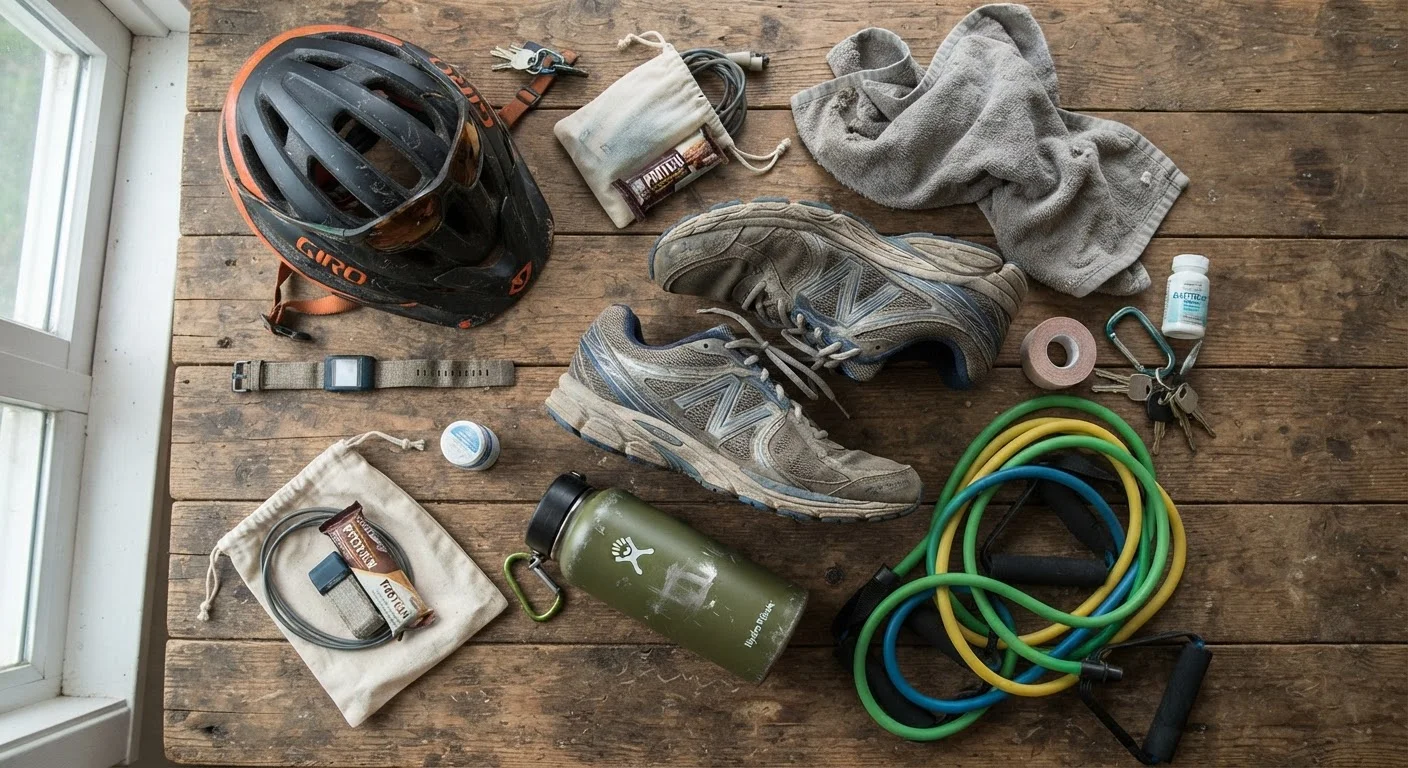
Photo: SaverSteals.com | Explore More. Shop Smarter. editorial
—— In This Article
Key Takeaways
- Buying gear at full in-season prices is the single most avoidable budget drain for active shoppers.
- Reactive purchasing — buying only when something breaks or runs out — keeps you permanently locked into peak pricing.
- Off-season timing and used equipment channels can cut typical gear costs by a meaningful margin.
- Most budget overruns stem from a few repeatable mistakes, not random bad luck.
The Real Reason Your Gear Spending Feels Out of Control
If your sports gear budget seems to evaporate before the season ends, you're not alone — and it's usually not a willpower problem. It's a timing and planning problem. Most active shoppers fall into predictable purchase patterns that keep them buying at the worst possible moment: right when everyone else is buying too.
Sports equipment pricing follows well-documented seasonal cycles. Ski gear peaks in November and December. Running shoes and fitness equipment spike in January. Team sport gear surges ahead of fall registration deadlines. When you're buying reactively — because a cleat split or a wetsuit finally gave out — you're almost guaranteed to be shopping during peak demand, which means peak prices.
Understanding why your budget runs out is more useful than just spending less. The mistakes below are the ones that consistently drive overspending, and each one has a straightforward fix.
Buying in-season at full retail price because the need feels urgent.
Why it happens: When a piece of gear wears out mid-season, replacing it immediately feels necessary. But urgency drives shoppers directly into peak pricing windows.
Treating gear purchases as one-time events rather than a recurring budget line.
Why it happens: Active hobbies generate ongoing equipment costs, but many people budget only for the obvious upfront items and don't account for consumables, replacements, or upgrades.
Ignoring the secondhand market for items that don't require a perfect fit or safety certification.
Why it happens: New gear feels more reliable, and many shoppers aren't sure which used items carry meaningful safety considerations. This uncertainty leads to defaulting to new purchases across the board.
Over-purchasing at sales events based on perceived savings rather than actual need.
Why it happens: Discount framing makes additional purchases feel financially responsible. Shoppers frequently buy more than they planned because the price drop makes it feel like a gain rather than a cost.
Buying premium gear before establishing consistent use habits.
Why it happens: Gear marketing often conflates equipment quality with athletic performance, making high-end purchases feel like investments. New participants are especially susceptible before they know their actual usage patterns.
Building a Smarter Gear Purchasing Habit
The pattern behind budget overruns is consistent enough that fixing it mostly comes down to shifting your purchase timing and expanding where you look. Off-season shopping is one of the most reliable levers available — see how the pricing cycle works and how to use it for a breakdown of when specific gear categories tend to drop.
For shoppers who want to go further, the secondhand market is underused. Used sports equipment in good condition is available through a range of resale channels and can represent significant savings on items that see infrequent use — think skis, paddleboards, or golf clubs. The discount patterns also vary considerably by sport, so a one-size-fits-all approach rarely works. Sport-specific savings strategies can help you focus where the timing advantages are biggest.
30–50%
Typical off-season price reduction on seasonal gear
Retail pricing analysis of ski and winter sports equipment consistently shows discounts of this magnitude in March through May compared to peak-season pricing.
~60%
Of gear budget overruns linked to unplanned purchases
Consumer spending research across hobby categories suggests the majority of budget overruns come from reactive or impulse purchases rather than planned ones.
One thing worth keeping in check: sales events aren't always what they appear. Common myths around sports gear pricing walks through several widely-held beliefs — including the idea that sales events always represent genuine savings — that tend to cost shoppers more than they realize.
The goal isn't to never spend on gear. It's to stop spending at the worst times, on the wrong items, without a plan. That's a fixable problem.

Sports Editorial Team
Sports Editorial Team is the collective byline for our editorial team and contributor network. Articles published under this byline or an editorial pen name are researched, written, and reviewed according to our editorial standards for clarity, consistency, and independence before publication.
View author profile