
Why 'Last Season' Running Shoes Are Often a Smarter Choice
Previous-generation athletic footwear is often functionally identical to current models. Here's how to evaluate whether an older version suits your needs.
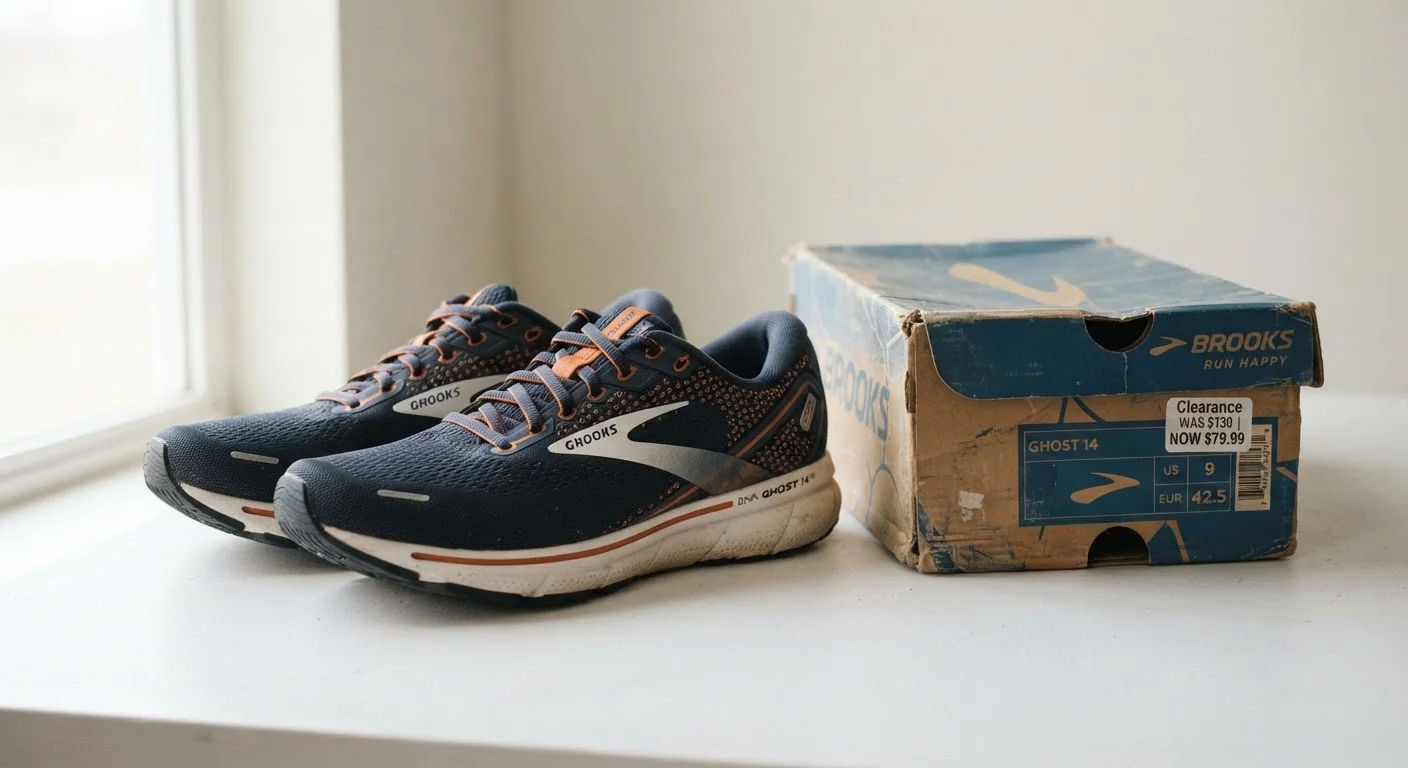
Photo: SaverSteals.com | Explore More. Shop Smarter. editorial
—— In This Article
Key Takeaways
- Running shoe models typically update annually, but midsole and outsole technology rarely changes dramatically between generations.
- Previous-season models are new shoes — not used — and often carry the same warranty as current versions.
- Price drops on outgoing models tend to occur when new versions launch, usually in spring and fall.
- Fit consistency between generations is not guaranteed; always verify sizing before purchasing.
Functionally equivalent performance in most cases
Core running mechanics — cushioning, stability, and ground feel — depend on midsole and outsole design. These components rarely see wholesale changes in annual updates, meaning last year's model typically performs the same underfoot.
Lower price on new, unworn footwear
Previous-season models are not used shoes. They are new inventory with original packaging, and discounts of 20–40% off original retail are common once successor models arrive in stores.
Same manufacturer warranty as current models
Most footwear brands warrant against manufacturing defects from the date of purchase, not the model year. Buying a prior-season shoe new does not typically void or shorten your coverage.
Known quantity if you've run in the model before
Runners who already know a specific model fits them well can repurchase an older version with high confidence, removing the trial-and-error risk entirely.
Easier to budget across the season
Predictable discount windows — typically 4–8 weeks after a new version launches — let you plan purchases rather than react to unpredictable flash events.
Size and width selection is limited
Clearance stock reflects whatever inventory remains after regular-season sales. Popular sizes — particularly men's 9–11 and women's 7–9 — sell out fastest, leaving limited options.
Foam degradation if shoes are old stock
EVA and polyurethane midsole foams begin to harden over time even without use. Shoes that have been sitting in a warehouse for two or more years may offer less cushioning than their specs suggest.
Previous version may have had a known flaw
Some model updates are specifically prompted by durability or comfort issues in the prior version. Buying the older model means inheriting that flaw rather than the fix.
Fit changes between generations aren't always documented
Upper redesigns can alter the toe box, heel collar, or arch placement without being prominently disclosed. Runners who haven't worn that exact version before face sizing uncertainty.
Fewer colorway choices
This is minor for most runners but worth noting: end-of-line stock skews toward less popular colorways, which is a real constraint if appearance matters to you.
Why Running Shoe Model Cycles Create Pricing Opportunities
Athletic footwear brands release updated versions of popular running shoes on a predictable annual or biannual schedule. When a new version launches, retailers need to clear out the prior model to make shelf and warehouse space. The result: new, unworn shoes marked down — sometimes substantially — simply because they carry last year's model number.
This isn't a quality signal. Manufacturers rarely overhaul a successful platform between generations. Changes between, say, version 9 and version 10 of a popular neutral trainer are often limited to updated colorways, minor upper materials tweaks, or small weight adjustments. The midsole foam compound and outsole geometry — the parts that determine how the shoe actually runs — frequently remain unchanged or nearly identical.
Understanding this cycle helps you time purchases deliberately. New model launches tend to cluster in spring (March–April) and fall (August–September). Outgoing inventory discounts typically follow within weeks. See our guide to sports gear depreciation for a broader look at which categories follow similar pricing patterns.
Pros of Buying Last-Season Running Shoes
The case for previous-generation models is straightforward when you look at what you're actually getting.
Functionally equivalent performance in most cases
Core running mechanics — cushioning, stability, and ground feel — depend on midsole and outsole design. These components rarely see wholesale changes in annual updates, meaning last year's model typically performs the same underfoot.
Lower price on new, unworn footwear
Previous-season models are not used shoes. They are new inventory with original packaging, and discounts of 20–40% off original retail are common once successor models arrive in stores.
Same manufacturer warranty as current models
Most footwear brands warrant against manufacturing defects from the date of purchase, not the model year. Buying a prior-season shoe new does not typically void or shorten your coverage.
Known quantity if you've run in the model before
Runners who already know a specific model fits them well can repurchase an older version with high confidence, removing the trial-and-error risk entirely.
Easier to budget across the season
Predictable discount windows — typically 4–8 weeks after a new version launches — let you plan purchases rather than react to unpredictable flash events.
20–40%
Typical discount on prior-season running shoes
Retail price reductions on outgoing athletic footwear models are commonly observed in the weeks following a successor model's launch, according to footwear industry observers.
~12 months
Typical running shoe model refresh cycle
Most major running shoe lines follow an annual update schedule, creating predictable windows where previous versions are discounted to clear retailer inventory.
Cons and Genuine Risks to Consider
The downsides are real, and ignoring them leads to poor purchases. Here's what to weigh honestly before committing.
Size and width selection is limited
Clearance stock reflects whatever inventory remains after regular-season sales. Popular sizes — particularly men's 9–11 and women's 7–9 — sell out fastest, leaving limited options.
Foam degradation if shoes are old stock
EVA and polyurethane midsole foams begin to harden over time even without use. Shoes that have been sitting in a warehouse for two or more years may offer less cushioning than their specs suggest.
Previous version may have had a known flaw
Some model updates are specifically prompted by durability or comfort issues in the prior version. Buying the older model means inheriting that flaw rather than the fix.
Fit changes between generations aren't always documented
Upper redesigns can alter the toe box, heel collar, or arch placement without being prominently disclosed. Runners who haven't worn that exact version before face sizing uncertainty.
Fewer colorway choices
This is minor for most runners but worth noting: end-of-line stock skews toward less popular colorways, which is a real constraint if appearance matters to you.
If you're new to buying athletic footwear strategically, this grounded starting point for sports gear shoppers covers how to avoid common early mistakes.
How to Evaluate a Specific Older Model Before You Buy
Not every last-season shoe is a good deal. Apply these checks before purchasing:
- Compare the changelog. Look up what actually changed between versions. Running-specific review sites and brand release notes document this. If the new version fixed a durability issue or changed the fit for wide feet, that matters.
- Check the manufacture date. Midsole foam degrades over time even in unworn shoes — polyurethane (PU) foam can harden within a few years of manufacture. Look for shoes made within the past two years where possible.
- Confirm your size runs the same. Upper redesigns sometimes alter how a shoe fits. If you haven't worn this exact model before, try before you buy when possible or order from a retailer with free returns.
- Verify warranty coverage. Most manufacturers cover new shoes regardless of model year. Check the brand's policy directly.
How to Check for Midsole Foam Age
Running shoe boxes often include a manufacture date stamp on the label, typically formatted as a month and year. Some brands also encode this in the barcode or SKU. As a general guideline, foam cushioning in unworn shoes is considered most reliable within 18–24 months of manufacture, though this varies by foam type and storage conditions. When in doubt, contact the retailer to ask when the inventory arrived.
For runners considering used or lightly worn options as an additional avenue, our secondhand sports gear guide explains where running shoes fall on the safety and value spectrum.

Sports Editorial Team
Sports Editorial Team is the collective byline for our editorial team and contributor network. Articles published under this byline or an editorial pen name are researched, written, and reviewed according to our editorial standards for clarity, consistency, and independence before publication.
View author profile