
Why Secondhand Gear Gets Such a Bad Reputation—And When That's Unfair
Separating fact from fiction on used sports equipment: safety concerns, hygiene worries, and quality assumptions put to the test.
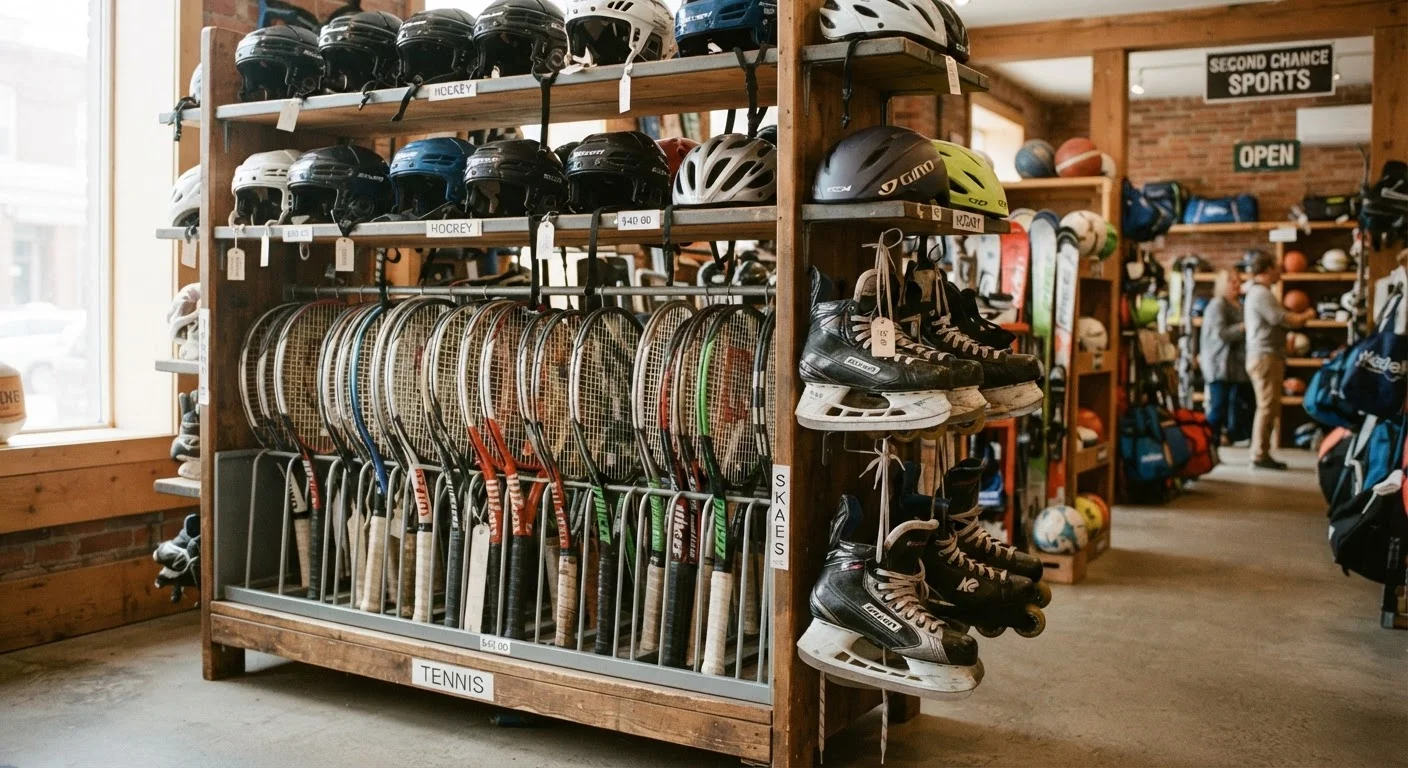
Photo: SaverSteals.com | Explore More. Shop Smarter. editorial
—— In This Article
Key Takeaways
- Most used sports gear is safe to buy when you know what to inspect.
- Hygiene concerns are largely manageable with basic cleaning routines.
- Certain safety-critical items — like helmets — should generally be purchased new.
- Reputable resale channels reduce quality uncertainty significantly.
- Price alone is a poor indicator of whether secondhand gear is worth buying.
Where the Reputation Comes From
Secondhand sports equipment occupies an uncomfortable place in many shoppers' minds. It conjures images of beat-up cleats at a garage sale or a hockey stick held together with tape. That reputation didn't appear from nowhere — there are real scenarios where used gear is a bad idea. But those scenarios get overgeneralized into a blanket distrust that ends up costing cautious shoppers real money.
The stigma has a few roots. Sports equipment is physical and sometimes contact-heavy, which triggers hygiene instincts. It's also associated with safety, so any doubt feels amplified. And resale markets have historically lacked the structure to reassure buyers — no return policies, no inspection standards, no accountability. That has changed considerably with the growth of organized resale platforms and local sporting goods consignment shops, but the old reputation lingers.
Understanding which concerns are valid — and which are reflexive — is the starting point for making smarter decisions. See our balanced overview of secondhand gear trade-offs for a fuller picture.
Myth
Used sports equipment is always dirty or unhygienic.
Fact
Most hard-surface gear can be cleaned effectively with standard disinfectants, and fabric items can be laundered.
Hygiene concerns are legitimate for items with prolonged skin contact — think boxing gloves or shared footwear. But a used set of dumbbells, a tennis racket, or a kayak paddle carries minimal hygiene risk and responds well to standard cleaning. The relevant question isn't whether something was used before; it's whether it can be cleaned adequately. For most hard equipment, it can. The same logic applies to secondhand clothing — the category matters more than the "used" label.
Myth
You can't tell if secondhand gear is safe just by looking at it.
Fact
A systematic visual and physical inspection catches the majority of structural problems that affect safety.
Cracks, stress fractures, frayed cables, degraded foam padding, and corroded fasteners are usually visible or detectable by feel. The limitation is with gear that can fail invisibly after impact — which is why helmets are a specific exception. For most other equipment, a methodical inspection covers the key risks. Learning what to look for is the skill that separates confident secondhand buyers from anxious ones. See which categories are safe to buy used for category-specific inspection guidance.
Myth
Secondhand automatically means lower quality.
Fact
Condition, not age or ownership history, is the primary determinant of equipment quality.
Plenty of used gear is sold after minimal use — youth athletes outgrow equipment quickly, adults abandon hobbies, and gear gets gifted and never used. A lightly used item from a structured resale source can be functionally identical to a new one. Conversely, new equipment that was stored poorly or assembled incorrectly can perform worse than a well-maintained used alternative. Quality is about condition, not transaction history.
Myth
Helmets and safety gear are fine to buy used as long as they look intact.
Fact
Helmets can sustain invisible structural damage from a single impact, compromising their protective ability.
This is the one area where skepticism about secondhand gear is genuinely warranted. Helmet materials — typically expanded polystyrene foam — absorb impact energy by compressing, often without any visible sign of damage. A helmet that has already absorbed a significant impact may offer substantially reduced protection in a future one. Unless a helmet's full history is verified and it meets current certification standards, purchasing new is the prudent choice. This applies to cycling, ski, skateboard, and contact sport helmets alike.
Myth
Resale markets for sports gear are unstructured and unreliable.
Fact
Organized resale platforms, consignment sporting goods stores, and verified local marketplaces offer meaningful buyer protections.
The landscape has shifted considerably. Consignment sports retailers inspect and price items before listing them. Peer-to-peer platforms with seller ratings create accountability. Many offer return windows or dispute resolution. This doesn't eliminate all risk, but it's a fundamentally different environment from an anonymous classifieds listing with no recourse. Choosing the right channel is a major factor in outcome — not just what you buy, but where you buy it.
How to Apply This in Practice
The myth-busting above points toward a consistent principle: category and condition matter far more than whether something is new or used. A gently used weight bench from a reputable seller is a sensible purchase. A used bicycle helmet with an unknown history is not — regardless of how good it looks.
Certification Standards Change Over Time
Safety standards for equipment like helmets, harnesses, and protective padding are updated periodically. A piece of gear that met certification requirements when manufactured may no longer comply with current standards. Always verify the certification date and current standards before relying on used safety equipment — older gear may look fine but fall short of updated protection requirements.
When evaluating any piece of used gear, focus on three things: visible structural integrity, the presence of safety certifications (and whether those standards have changed since manufacture), and seller transparency. A seller who can describe how the item was used and stored is a meaningful signal of reliability.
Organized resale channels — consignment shops with return policies, peer-to-peer platforms with seller ratings, and local sports league swap meets — all add friction that filters out the worst listings. They're not foolproof, but they're a significant improvement over anonymous transactions.
For a thorough walkthrough of evaluating, negotiating, and maintaining a used purchase, see The Full Lifecycle of Secondhand Sports Equipment. And if you want a clear category-by-category breakdown, Sports Equipment That Ages Well is a useful companion. Once you've made a purchase, responsible maintenance habits will help you get the most out of it.
This article is for informational purposes only. Always follow manufacturer guidelines and relevant safety standards when evaluating sports equipment.

Sports Editorial Team
Sports Editorial Team is the collective byline for our editorial team and contributor network. Articles published under this byline or an editorial pen name are researched, written, and reviewed according to our editorial standards for clarity, consistency, and independence before publication.
View author profile