
Buying Sports Gear for the First Time: A Grounded Starting Point
New to shopping for athletic equipment? This practical introduction covers what to prioritise, what to skip, and how to avoid overspending early on.
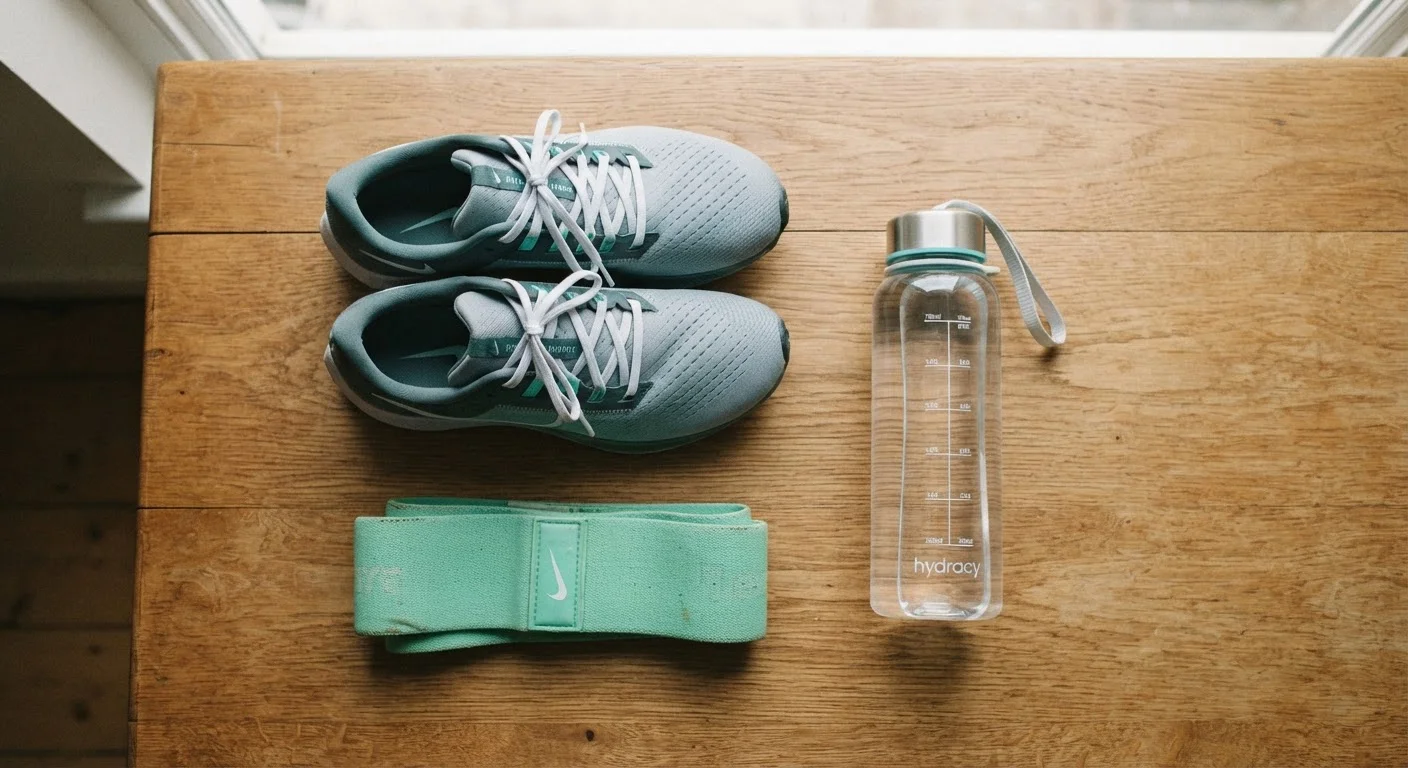
Photo: SaverSteals.com | Explore More. Shop Smarter. editorial
—— In This Article
Key Takeaways
- Most first-time gear purchases overspend on items that don't affect performance at a beginner level.
- Off-season timing can meaningfully reduce prices on sport-specific equipment.
- Safety-critical gear should generally be purchased new; other items are strong candidates for the secondhand market.
- Identifying your minimum viable kit before shopping prevents impulse purchases.
- Seasonal price cycles are predictable and worth planning around even as a beginner.
Why First Purchases Go Wrong
Most first-time sports gear shoppers make the same mistake: they buy for a version of the sport they imagine doing rather than the version they'll actually be doing in month one. The result is overspending on performance-tier items before they've confirmed the activity is a good fit.
A second common error is timing. Buying gear right when motivation peaks — usually right before a season starts — means paying peak-season prices. Retailers know demand is highest in those windows, and pricing reflects it. Understanding this pattern is the first useful thing a new gear buyer can learn. For a deeper look at how this cycle drains budgets over time, see why sports gear budgets run out before the season ends.
Rent Before You Commit
If you're uncertain whether a sport will stick, renting equipment for your first few sessions costs far less than buying a full kit you may not use again. Many recreation centers and sport-specific shops offer rental programs specifically for beginners. This also gives you hands-on experience with different equipment styles before making a purchase decision.
What to Prioritise (and What to Skip)
Before opening any shopping tab, write down your minimum viable kit — the items genuinely required to participate safely and comfortably at a beginner level. For most sports, this list is shorter than it feels.
Off-season pricing
The tendency for sport-specific gear to be marked down after the peak participation period for that sport ends, as retailers clear inventory.
Minimum viable kit
The smallest set of equipment genuinely required to participate safely in a sport at a beginner level — nothing more.
Safety-critical gear
Equipment whose primary function is to protect the user from injury, such as helmets and harnesses, where structural integrity cannot be visually verified after prior use.
Previous-season model
A product that has been replaced by a newer version in a manufacturer's lineup, often sold at a reduced price despite having similar core specifications.
Two categories deserve real attention regardless of budget: footwear and safety gear. Poorly fitted footwear is a documented source of overuse injuries, and this is one area where investing in a proper fit pays off. Everything else — apparel, bags, accessories — can usually be sourced economically without affecting performance or safety at a beginner stage.
Skip sport-specific gadgets, performance tracking devices, and gear marketed around advanced technique. These items add cost without adding value at the early stages of learning a sport.
How Off-Season Pricing Works
Sport-specific equipment follows a predictable pricing cycle. Demand — and therefore price — peaks in the weeks leading up to and during the active season for that sport. Once that window closes, retailers reduce prices to clear remaining inventory before next year's models arrive.
Seasonal Cycles Vary by Sport
Off-season timing isn't universal — it shifts depending on the sport and the region. Ski gear discounts peak in late winter; team sport equipment often dips after spring league seasons end. It's worth researching the specific cycle for your sport rather than assuming general sale periods will cover it.
For a beginner who can plan ahead, this cycle is an advantage. If you know you're starting a sport in spring, researching and purchasing core gear the previous fall or winter is a straightforward way to access lower prices without relying on promotions. The same logic applies to previous-season models: when a new product version launches, the prior model typically drops in price. This is particularly well-documented in running footwear — see why last-season running shoes are often a smarter choice for a practical breakdown.
New vs. Used: A Practical Split
The secondhand market is a genuine option for many gear categories, but not all. A useful rule of thumb: if the item's job is to absorb impact or protect the user from injury, buy it new. If its job is to facilitate movement or carry equipment, the used market is worth exploring.
Don't Buy Safety Gear Secondhand Without Caution
Helmets, climbing harnesses, and similar items can appear undamaged while having internal structural compromises from prior impacts. Unless you can verify an item's full history, buying safety-critical gear new is the lower-risk approach. Savings are not worth a protection failure.
For non-safety items — rackets, clubs, general fitness equipment, bags — secondhand purchases can deliver significant savings with minimal risk. The key is knowing what to inspect. Our first-timer's guide to buying used sports equipment covers the full process, and what to check before committing to a used purchase provides a practical inspection checklist. For a balanced view of the trade-offs, the advantages and trade-offs of used gear is worth reading before you decide.
Building a Smarter Gear Habit
The most durable money-saving habit in sports gear isn't finding deals — it's buying less, less often, and with more intention. That means resisting the urge to upgrade before you've outgrown your current equipment, and building purchases around documented price cycles rather than impulse.
A practical starting framework: set a per-season gear budget before shopping, list only the items you actually need, and identify which of those items can be timed for off-season purchase or sourced secondhand. This approach won't eliminate every cost, but it removes the most common sources of unnecessary spending for first-time gear buyers.
The used sports equipment hub is a useful next stop if you want to go deeper on the secondhand side of the market.
Frequently Asked Questions

Sports Editorial Team
Sports Editorial Team is the collective byline for our editorial team and contributor network. Articles published under this byline or an editorial pen name are researched, written, and reviewed according to our editorial standards for clarity, consistency, and independence before publication.
View author profile