
The Home Cleaning Products You Should Never Mix Together
Certain common household cleaners create toxic fumes when combined. Learn which pairings to always avoid and why they're dangerous.
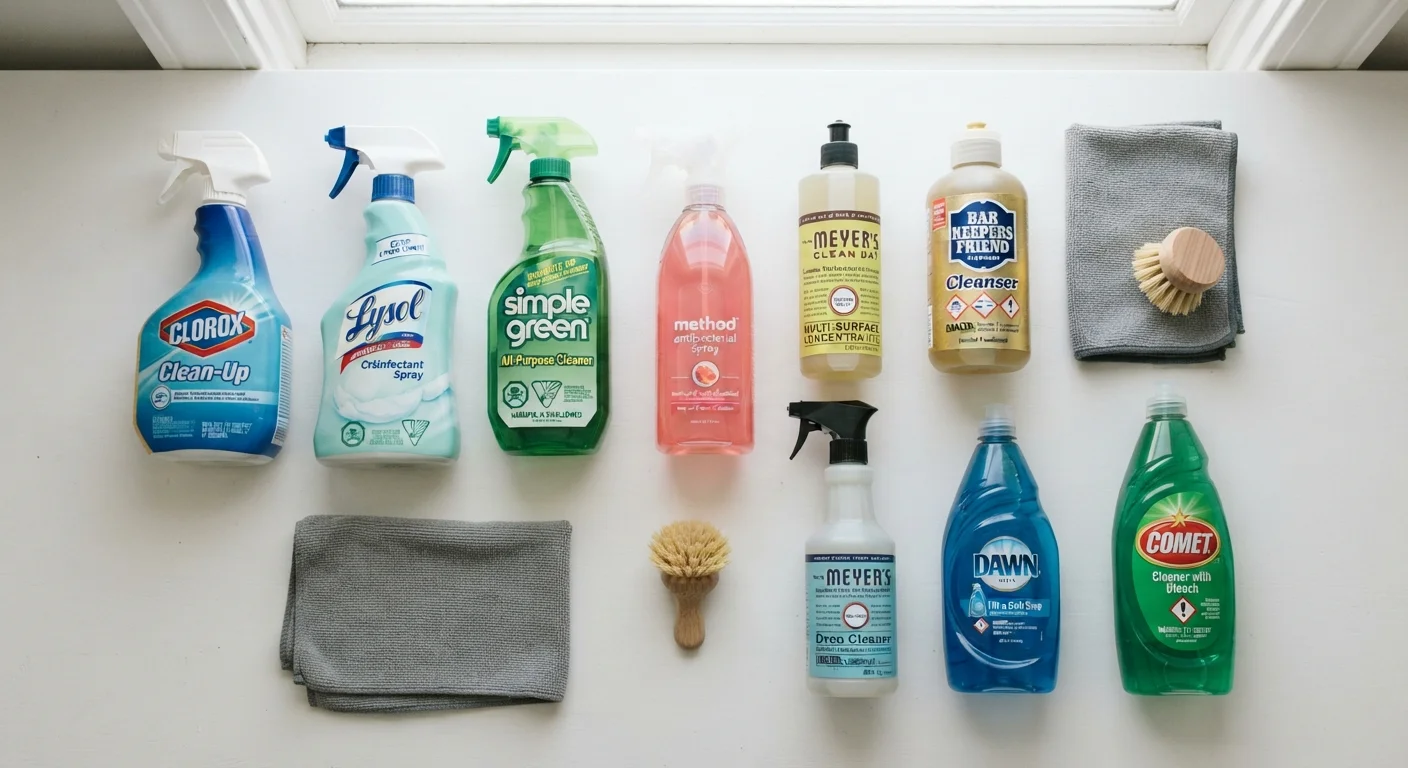
Photo: SaverSteals.com editorial
—— In This Article
Key Takeaways
- Mixing bleach with ammonia or acids like vinegar releases toxic gases that can cause serious respiratory harm.
- Many dangerous combinations involve products that seem safe on their own and are found in most households.
- Always read labels before using two cleaners in the same space, even sequentially on the same surface.
- Proper ventilation and rinsing between products can reduce risk when switching cleaners.
Why Cleaning Product Chemistry Matters
Most people store a variety of cleaning products under the sink without giving much thought to how those products interact. The ingredients in everyday cleaners — bleach, ammonia, acids, alcohols — are chemically reactive by design. That reactivity is what makes them effective at cutting grease, killing bacteria, and dissolving mineral deposits. But the same chemistry that makes them useful can create genuinely hazardous situations when two reactive compounds meet.
Toxic gas formation is the primary danger. Chloramine vapor, chlorine gas, and peracetic acid are among the byproducts that can form from common pairings. These substances irritate the respiratory tract, eyes, and skin — and in enclosed spaces, concentrations can rise quickly. For anyone with asthma or other respiratory sensitivities, exposure can be especially serious.
Understanding a few basic principles — rather than memorizing every possible pairing — is the most practical approach. The key offender in most dangerous combinations is bleach (sodium hypochlorite). Bleach reacts badly with ammonia, acids, and alcohols. Keeping bleach products separate from other cleaners, both in storage and in use, eliminates most of the highest-risk scenarios.
For more on decoding what's actually in your cleaning and household products, see our guide on reading ingredient lists without getting confused by chemical-sounding names.
The Most Dangerous Combinations to Know
The mistakes below represent the most commonly encountered — and most consequential — chemical pairings in home cleaning. Each one involves products that are widely available and frequently used, which is exactly why they warrant attention.
Mixing bleach and ammonia-based cleaners.
Why it happens: Both are common household staples and people often assume using more cleaners at once means a deeper clean. Ammonia is present in many glass and multi-surface sprays, making this combination easy to stumble into.
Combining bleach and vinegar (or other acids) in the same cleaning session.
Why it happens: Vinegar's reputation as a natural cleaner makes it feel safe to combine with anything. Many people believe an acid and a disinfectant together must equal a stronger result.
Mixing hydrogen peroxide and vinegar directly together.
Why it happens: Both are frequently described as gentle, natural alternatives to harsher chemicals, leading people to assume they're safe to combine for a more powerful disinfecting effect.
Using two different drain cleaners together or back-to-back.
Why it happens: When one drain cleaner doesn't seem to work quickly, the instinct is to add more or switch to a different product. Different formulations can be acid-based or base-based — combining them can cause violent reactions.
Mixing bleach with rubbing alcohol.
Why it happens: Rubbing alcohol became especially common in households after the pandemic, and bleach has long been a disinfecting staple. They're both disinfectants, so the logic of combining them seems sound — but it isn't.
It's also worth noting that sequential use on the same surface can be just as hazardous as direct mixing. A toilet bowl scrubbed with a bleach-based cleaner and then sprayed with a vinegar-based deodorizer is a meaningful risk, not just a theoretical one. Rinsing thoroughly between products and keeping the space ventilated are simple habits that make a real difference. For a broader look at cleaning assumptions that don't hold up, our article on household cleaning myths that waste your time and money covers common missteps worth knowing.
Dangerous Fumes Can Build Up Fast
Toxic gas from cleaning product combinations can reach harmful concentrations within minutes in a poorly ventilated space like a bathroom or kitchen. Symptoms such as coughing, burning eyes, or difficulty breathing require immediate fresh air. If symptoms are severe, call Poison Control (1-800-222-1222 in the U.S.) or emergency services right away. Do not re-enter the space until it has been thoroughly aired out.
Practical Safety Habits for Everyday Cleaning
Avoiding dangerous combinations doesn't require a chemistry background — it requires a few consistent habits.
~10,000
Annual U.S. cleaning product exposure calls to Poison Control
According to the American Association of Poison Control Centers, household cleaning substances are among the top categories of exposure calls each year.
3–5 min
Time for toxic fumes to reach harmful levels in a small enclosed space
Safety researchers note that reactive gases from bleach-ammonia combinations can accumulate to irritating concentrations rapidly in bathrooms or closets with no ventilation.
- Read labels before you start. Look specifically for active ingredient disclosures. Bleach products list sodium hypochlorite; ammonia-based cleaners often list ammonium hydroxide. These disclosures are required by law and are usually found near the warnings section.
- Use one disinfectant at a time. There's rarely a cleaning benefit to layering multiple disinfecting agents. Pick one appropriate for the surface and the task.
- Rinse between product switches. If you're cleaning a surface with one product and plan to follow up with another, rinse with plain water and allow adequate drying time before proceeding.
- Ventilate while you clean. Open windows or run exhaust fans whenever using chemical cleaners, even individually. Good airflow reduces exposure to fumes from any single product and limits buildup if a reaction does occur.
- Store products separately and clearly labeled. Keeping bleach away from multi-surface sprays and acid-based cleaners reduces the chance of reaching for the wrong product by mistake.
This article is for general informational purposes only and does not constitute safety, medical, or chemical handling advice. If you experience symptoms after exposure to cleaning product fumes, contact Poison Control or seek emergency medical attention immediately. Always follow manufacturer instructions and safety warnings on product labels.

Shopping Editorial Team
Shopping Editorial Team is the collective byline for our editorial team and contributor network. Articles published under this byline or an editorial pen name are researched, written, and reviewed according to our editorial standards for clarity, consistency, and independence before publication.
View author profile