
Air Purifiers Explained: What They Filter, What They Don't, and Who Needs One
HEPA, activated carbon, UV—air purifier labels can be confusing. This explainer breaks down what each filter type actually removes from indoor air.
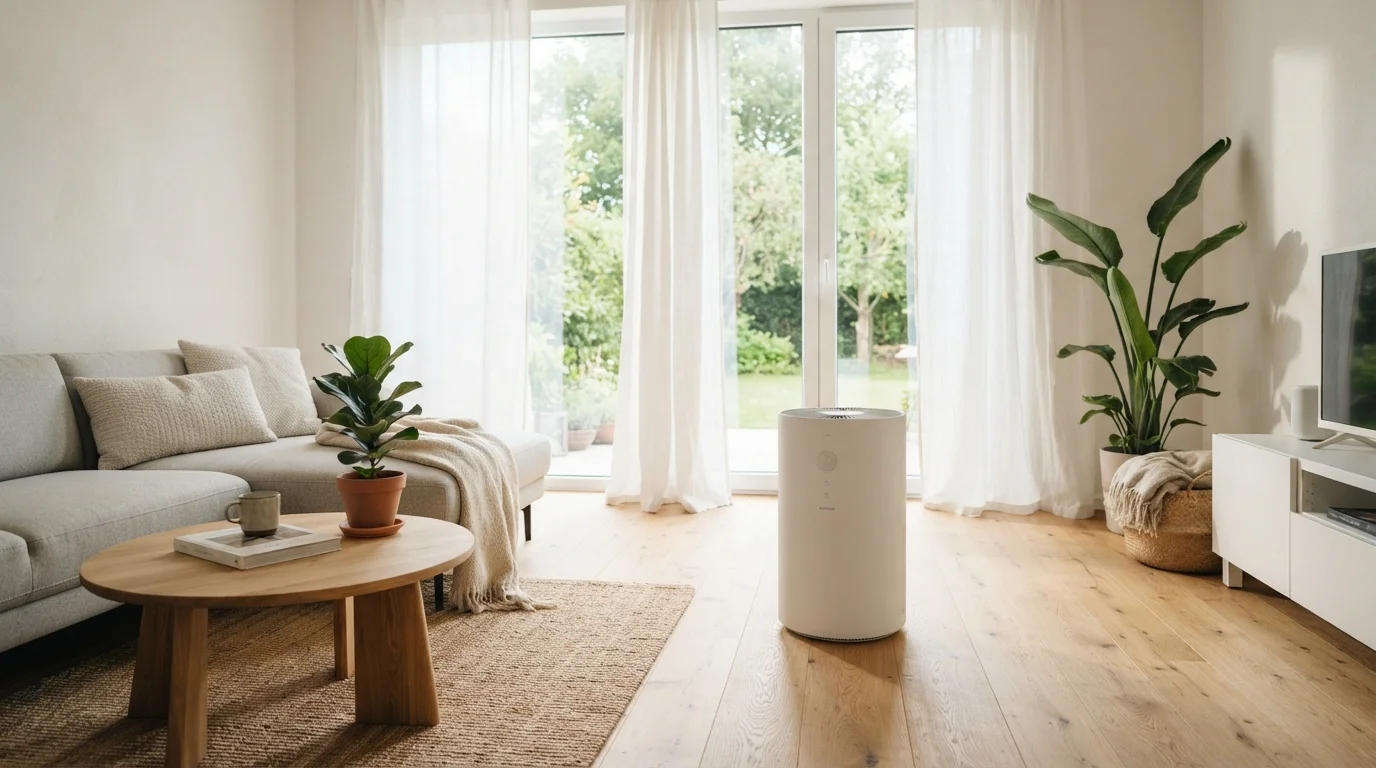
Photo: SaverSteals.com editorial
—— In This Article
Key Takeaways
- HEPA filters capture at least 99.97% of particles 0.3 microns in size, making them effective against dust, pollen, and pet dander.
- Activated carbon filters target gases and odors but do not remove airborne particles on their own.
- No air purifier eliminates all indoor air pollutants — source control and ventilation remain essential.
- CADR ratings help match a purifier's capacity to your actual room size.
- People with allergies, asthma, or pets tend to see the most measurable benefit from air purifiers.
- UV and ionizing technologies have limited, often overstated effectiveness for home use.
Filter Technologies: What Each Type Actually Does
Understanding what's inside the unit is the most important starting point when evaluating any air purifier. Most devices use one or more of the following filter types:
True HEPA Filters
HEPA stands for High-Efficiency Particulate Air. A true HEPA filter must capture at least 99.97% of particles at 0.3 microns — the size at which filters are hardest to trap. This makes HEPA effective against dust, pollen, mold spores, pet dander, and some bacteria. Note the word "true": marketing terms like "HEPA-type" or "HEPA-style" indicate lower-efficiency filters that don't meet the same standard.
Activated Carbon Filters
Where HEPA handles particles, activated carbon handles gases. The porous carbon material adsorbs (bonds with) volatile organic compounds (VOCs), smoke odors, cooking smells, and some chemical fumes. It does not capture particles. Most purifiers pair activated carbon with a HEPA layer for broader coverage.
UV-C Light
Some units include UV-C bulbs marketed as germ-killing technology. In laboratory settings, UV-C light can inactivate certain bacteria and viruses — but real-world home purifiers have limited exposure times and intensities. The EPA and independent researchers caution that UV-C in consumer devices provides minimal additional benefit over HEPA filtration alone.
Ionizers and Ozone Generators
Ionizers release charged particles that cause pollutants to clump and fall out of the air. Ozone generators intentionally produce ozone to neutralize odors. Neither is recommended for regular home use in occupied spaces. Ionizers can deposit particles on surfaces rather than capturing them, and ozone at any level can irritate airways and lungs.
Check the CADR Before You Buy
The Clean Air Delivery Rate (CADR) is one of the most reliable numbers for comparing air purifiers. Look for a CADR rating that matches or exceeds the square footage of the room you plan to use it in. The Association of Home Appliance Manufacturers (AHAM) tests and certifies CADR ratings independently, so look for that certification on the packaging.
What Air Purifiers Cannot Do
Being clear about limitations is just as important as understanding capabilities.
- Surface pollutants: Air purifiers only treat airborne particles. Allergens already settled into carpet, bedding, or upholstery won't be addressed until disturbed and recirculated — regular vacuuming with a HEPA-equipped vacuum remains necessary.
- Radon and carbon monoxide: These dangerous gases require dedicated detectors and source remediation. No air purifier is designed or certified to manage them.
- Humidity and mold growth: High indoor humidity promotes mold. A purifier can capture mold spores already airborne but will not prevent new mold from growing if moisture isn't controlled. A dehumidifier or improved ventilation is needed alongside.
- All VOCs: Activated carbon is helpful but finite. Heavy or continuous chemical sources — off-gassing furniture, certain paints, cleaning products — require ventilation and source reduction, not just filtration.
Ventilation Remains Your First Line of Defense
The EPA consistently emphasizes that source control — removing or reducing pollutant sources — and adequate ventilation are more effective strategies than air filtration alone. Opening windows when outdoor air quality is good, using kitchen and bathroom exhaust fans, and addressing moisture issues complement what an air purifier can do. Think of a purifier as one layer in a broader indoor air quality approach, not a replacement for good ventilation habits.
Who Benefits Most From an Air Purifier
Not every household will notice a meaningful difference from an air purifier. Those who tend to see the clearest benefit include:
99.97%
Minimum particle capture rate for true HEPA filters
Per the U.S. Department of Energy's HEPA filter standard, applied to particles at 0.3 microns in diameter.
2–5x
Higher pollutant concentration indoors vs. outdoors
The U.S. Environmental Protection Agency (EPA) notes that indoor air pollutant levels are often 2 to 5 times higher than outdoor levels.
90%
Of time Americans spend indoors on average
According to EPA estimates, Americans spend approximately 90% of their time indoors, making indoor air quality a significant public health consideration.
Allergy and Asthma Sufferers
Airborne allergens — pollen, dust mite debris, pet dander — are well within HEPA's range. Running a purifier in the bedroom, where people spend the most continuous time, can help reduce overnight exposure during high-allergen seasons. Consult a healthcare provider about integrating air filtration into a broader allergy or asthma management plan.
Pet Owners
Pet dander and hair are among the most common indoor allergens. A HEPA purifier in frequently occupied rooms can reduce ambient dander levels, though it works best alongside regular grooming and vacuuming.
Residents Near Wildfire Zones or High Traffic Areas
Fine particulate matter (PM2.5) from smoke and vehicle exhaust is a documented health concern. HEPA filtration is effective against PM2.5, and running a purifier during smoke events can reduce indoor particle concentrations significantly.
People With Healthy Homes and No Specific Concerns
If your home has good ventilation, low humidity, no smokers, and no pets or known allergen triggers, the measurable benefit of an air purifier may be modest. It's worth evaluating whether the need justifies the cost and ongoing filter replacements.
This article is for general informational purposes only and does not constitute medical advice. Readers with health concerns related to indoor air quality should consult a qualified healthcare professional.
Frequently Asked Questions

Shopping Editorial Team
Shopping Editorial Team is the collective byline for our editorial team and contributor network. Articles published under this byline or an editorial pen name are researched, written, and reviewed according to our editorial standards for clarity, consistency, and independence before publication.
View author profile