
What Every Clause in a Standard Lease Agreement Actually Means
Demystify the dense legal language in rental leases. Here's what common clauses mean for your rights, responsibilities, and wallet.
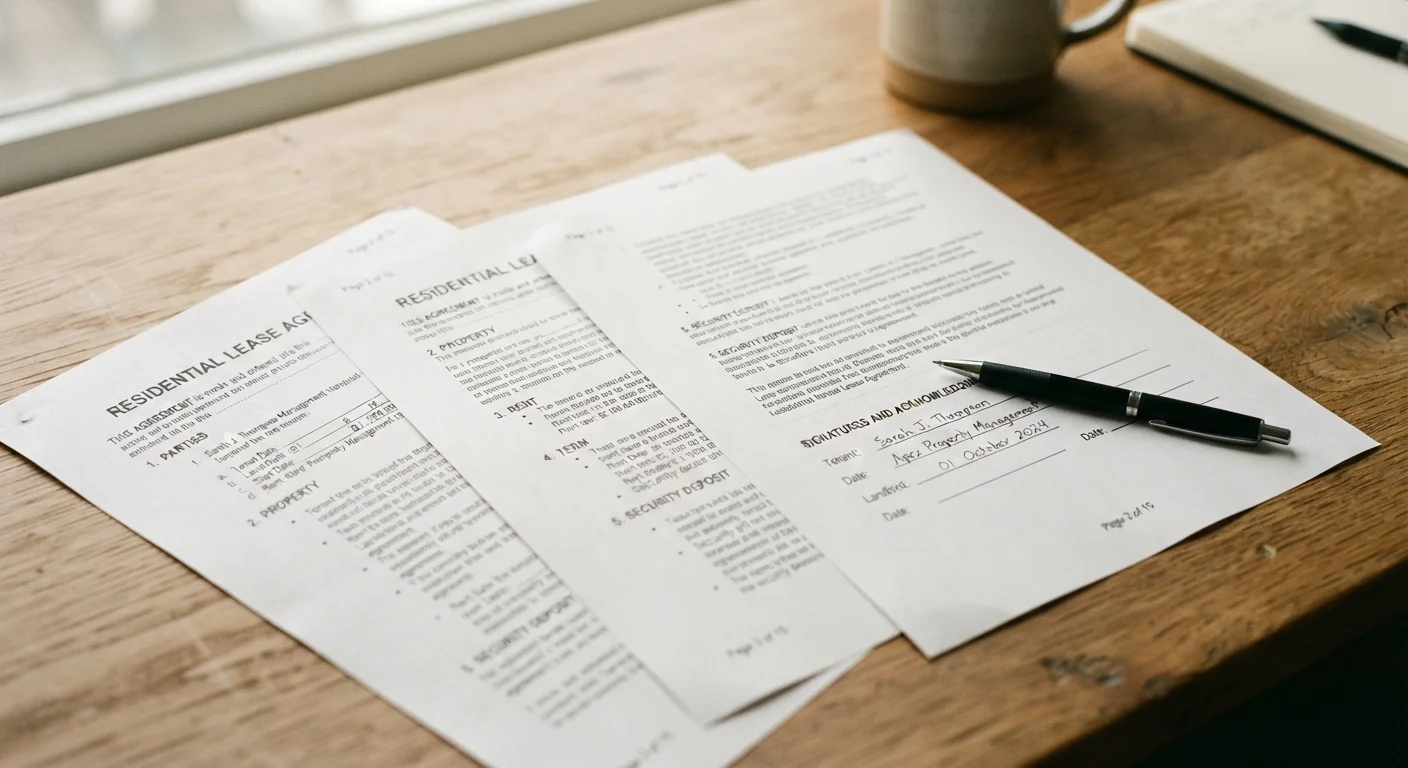
Photo: SaverSteals.com editorial
—— In This Article
Key Takeaways
- Every lease clause is legally enforceable — reading it carefully before signing is essential.
- State and local law can override certain lease terms in favor of tenant protections.
- Security deposit clauses vary widely; know the limits and return timelines in your state.
- Subletting, guest, and pet clauses restrict who can occupy the unit and under what conditions.
- Maintenance and repair clauses define which party is responsible for specific property issues.
- Early termination clauses outline the financial consequences of breaking a lease before it ends.
Why Lease Language Matters More Than You Think
Signing a lease without fully understanding it is one of the costliest mistakes renters make. That dense legal text isn't boilerplate to skip over — each clause defines your rights, your obligations, and your financial exposure for the entire tenancy. A clause you overlooked on page three can determine whether you lose your security deposit, face an unexpected fee, or owe rent after moving out.
The good news: lease agreements follow recognizable patterns. Once you know what the most common clauses actually mean, reading a new lease becomes far less intimidating. See our guide to renter rights in the US for a broader look at the protections that apply regardless of what your lease says.
~50%
Renters who don't read the full lease before signing
Research from tenant advocacy organizations consistently finds roughly half of renters sign leases without reading every clause, often leading to surprise fees or disputes.
14–30 days
Typical state deadline for security deposit return
Most US states require landlords to return security deposits within 14 to 30 days of move-out, with itemized deductions; timelines vary by jurisdiction.
2x–3x
Damages owed in some states for wrongful deposit withholding
Several states allow tenants to recover double or triple the wrongfully withheld security deposit amount as a statutory penalty against non-compliant landlords.
Rent, Grace Periods, and Late Fee Clauses
The rent clause establishes the monthly amount due, the due date (commonly the first of the month), and the acceptable payment methods. Pay close attention to the grace period provision — this is the number of days after the due date during which rent can be paid without triggering a late fee. Grace periods are commonly five days but vary by lease and state law.
The late fee clause specifies both the dollar amount and when it activates. Many states cap late fees as a percentage of monthly rent or prohibit them before the grace period expires. A landlord cannot enforce a late fee structure that exceeds state statutory limits, even if the lease specifies a higher amount.
Always Request a Lease Copy Before Signing
Ask for a copy of the lease at least 24–48 hours before your signing appointment so you have time to read it without pressure. Highlight any clause you don't understand and request clarification in writing. Any amendments the landlord agrees to verbally should be added to the written lease and initialed by both parties before you sign.
Security Deposit Clauses: Limits, Use, and Return
The security deposit clause defines how much you pay upfront (typically one to two months' rent), what it can be used for, and the timeline for return after move-out. Permitted deductions generally include unpaid rent and damage beyond normal wear and tear — but not routine cleaning or pre-existing damage.
Most states require landlords to return the deposit within a specific window (often 14 to 30 days) and provide an itemized statement of any deductions. Failure to comply can entitle the tenant to double or triple damages in some jurisdictions. Document the unit's condition thoroughly at move-in with dated photos to protect your deposit at move-out.
Occupancy, Guest, and Subletting Clauses
The occupancy clause names who is authorized to live in the unit. Adding an unauthorized occupant — even a partner or family member — can constitute a lease violation. Related to this is the guest clause, which limits how long visitors may stay (frequently seven to fourteen consecutive days) before they must be added to the lease.
The subletting clause addresses whether you can rent the unit to someone else temporarily. Most standard leases require written landlord approval before subletting. If you're considering flexible living arrangements, review this clause before signing — and understand how it interacts with your lease type. Our comparison of month-to-month versus fixed-term leases explains how each structure affects flexibility.
Maintenance, Repairs, and the Habitability Standard
Maintenance clauses divide responsibility between landlord and tenant. Landlords are generally responsible for structural repairs, heating and cooling systems, plumbing, and anything that affects habitability — the legal standard requiring a unit to be safe and livable. Tenants are typically responsible for minor upkeep: replacing light bulbs, keeping the unit clean, and reporting problems promptly in writing.
Look for language about how and when repairs must be reported, and whether failure to report can shift liability to you. Some leases include an entry and access clause specifying how much notice the landlord must give before entering — usually 24 to 48 hours, though state law sets minimum requirements that landlords cannot circumvent.
Early Termination, Renewal, and Pet Clauses
The early termination clause spells out what you owe if you end the lease before the term expires. Penalties commonly include forfeiture of the security deposit, continued rent liability until a new tenant is found, or a flat buyout fee. Some states require landlords to mitigate damages by actively seeking a replacement tenant rather than collecting double rent. For a full breakdown, see our article on breaking a lease early.
The renewal clause defines whether the lease auto-renews, converts to month-to-month, or requires action from either party. Missing an opt-out deadline in an auto-renewal clause can lock you into another full term. When renewal comes up, consult our guide on lease renewal negotiation to understand which terms are worth revisiting.
Finally, the pet clause covers whether pets are permitted, what species or breeds are allowed, and what additional fees apply — separate pet deposits, monthly pet rent, or both. Restrictions here can be highly specific. If you rent with animals, review our piece on renting with pets before signing anything.
This article provides general information about lease agreements and is not legal advice. Lease terms and tenant rights vary significantly by state and locality. Consult a licensed attorney or tenant advocacy organization in your area for guidance specific to your situation.
Frequently Asked Questions

Real Estate Editorial Team
Real Estate Editorial Team is the collective byline for our editorial team and contributor network. Articles published under this byline or an editorial pen name are researched, written, and reviewed according to our editorial standards for clarity, consistency, and independence before publication.
View author profile