
Due Diligence Before Buying an Investment Property: What to Verify
A structured checklist of what to investigate—financially, legally, and physically—before committing to any investment property purchase.
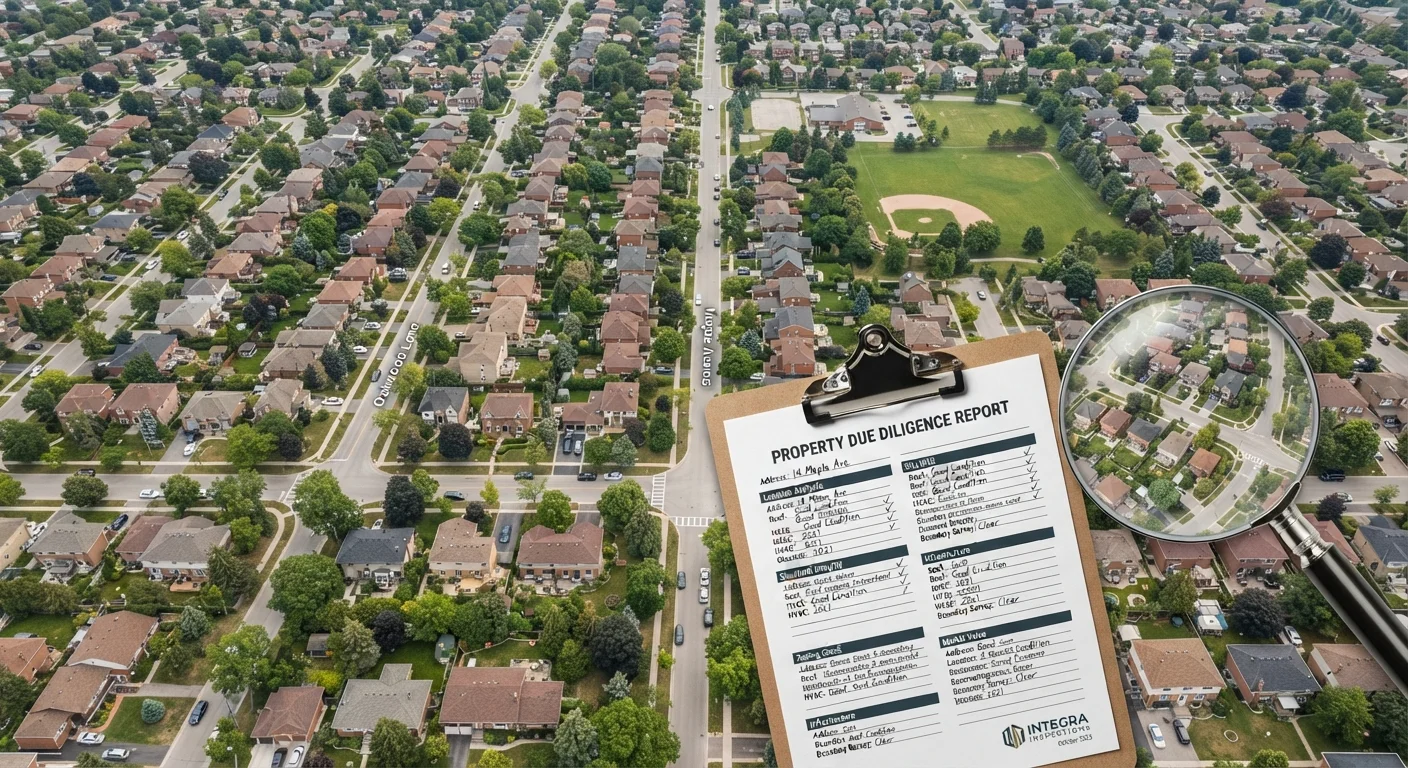
Photo: SaverSteals.com editorial
—— In This Article
Key Takeaways
- Investment property due diligence spans financial, legal, physical, and market dimensions — all four matter.
- Skipping any category of verification exposes buyers to risks that can erode returns or create legal liability.
- A professional team including a real estate attorney, inspector, and accountant is strongly recommended.
- Local rental laws, zoning rules, and tax obligations vary significantly and must be confirmed before closing.
- Even experienced investors use structured checklists to avoid oversight under deal excitement.
Why Structured Due Diligence Matters Before You Commit
Buying an investment property is materially different from buying a primary residence. Beyond finding a home you like, you are acquiring a business asset that must generate reliable income, comply with local regulations, and hold or grow its value over time. Enthusiasm and favorable market conditions are not substitutes for methodical verification.
The consequences of skipping due diligence can be severe — from inheriting problem tenants and code violations to purchasing a property whose rents cannot cover operating costs. As common investor missteps illustrate, the deals that look best on the surface often hide the most risk below it.
This checklist is organized into four dimensions of verification: financial, legal and title, physical condition, and market and regulatory context. Working through all four — with qualified professionals supporting you — gives you the clearest possible picture of what you are actually buying.
Due Diligence Is Not Optional
Purchasing an investment property without completing financial, legal, and physical verification is one of the most common and costly mistakes first-time investors make. Once you close, you assume all undisclosed liabilities, open code violations, and lease obligations. There is no practical recourse for most surprises discovered after closing unless fraud can be proven. Completing this checklist before signing is a non-negotiable step.
The Tools and Professionals You Will Need
Due diligence is not a solo exercise. A reliable team of licensed professionals helps you uncover what you cannot see, interpret what you find, and protect yourself contractually. Budget for these costs as part of your acquisition expenses — they are far less expensive than the problems they help you avoid.
Licensed Home Inspector
Provides an independent professional assessment of the property's physical condition, identifying defects before closing.
Real Estate Attorney
Reviews purchase agreements, lease assignments, title issues, and local regulatory compliance on your behalf.
Title Company or Title Agent
Conducts the title search and issues title insurance to protect against undisclosed liens or ownership disputes.
Certified Public Accountant (CPA)
Advises on the tax treatment of rental income, depreciation schedules, and entity structure for holding the property.
Licensed Appraiser
Provides an independent valuation to confirm the purchase price aligns with comparable market sales.
FEMA Flood Map Service Center
Free government tool to check whether the property lies in a designated flood zone requiring flood insurance.
This checklist is part of a broader framework for evaluating real estate opportunities. For an end-to-end perspective on what the investment process involves, see the comprehensive investor resource covering everything from property types to risk management.
The Complete Due Diligence Checklist
Use the checklist below during your contingency period — the window between an accepted offer and closing during which you have the contractual right to investigate the property and, in most cases, withdraw if findings are unsatisfactory. Confirm with your real estate attorney how much time your purchase agreement allows and which contingencies apply.
Don't Rely on Seller-Provided Projections Alone
Income and expense figures presented by a seller or listing agent reflect the best-case scenario and may exclude vacancy losses, deferred maintenance, or management fees. Always verify numbers against actual tax returns, bank statements, or utility records — and build in conservative assumptions for your own analysis.
Short-Term Rental Restrictions Are Increasingly Common
Many cities and counties have enacted ordinances that limit or prohibit short-term rentals (such as those listed on vacation platforms) even in residentially zoned areas. If your investment strategy involves short-term rental income, confirm local permitting requirements before purchase — not after. Rules change frequently and vary block by block in some jurisdictions.
Financial Verification
Legal and Title Review
Physical Property Inspection
Market and Regulatory Context
For context on how property value is determined — which directly affects your cap rate calculations and offer price — the home valuation hub provides a grounded overview of appraisal methodology and market pricing factors.
This article is for general informational and educational purposes only. It does not constitute legal, financial, tax, or investment advice. Real estate transactions involve significant financial and legal complexity. Always consult a licensed real estate attorney, qualified financial adviser, and other appropriate professionals before making any investment decision.

Real Estate Editorial Team
Real Estate Editorial Team is the collective byline for our editorial team and contributor network. Articles published under this byline or an editorial pen name are researched, written, and reviewed according to our editorial standards for clarity, consistency, and independence before publication.
View author profile