
Indoor Cat, Outdoor Cat, or Both: Understanding the Real Trade-Offs
The indoor-outdoor debate involves safety, enrichment, and health. Here's a balanced look at what each lifestyle actually means for your cat.
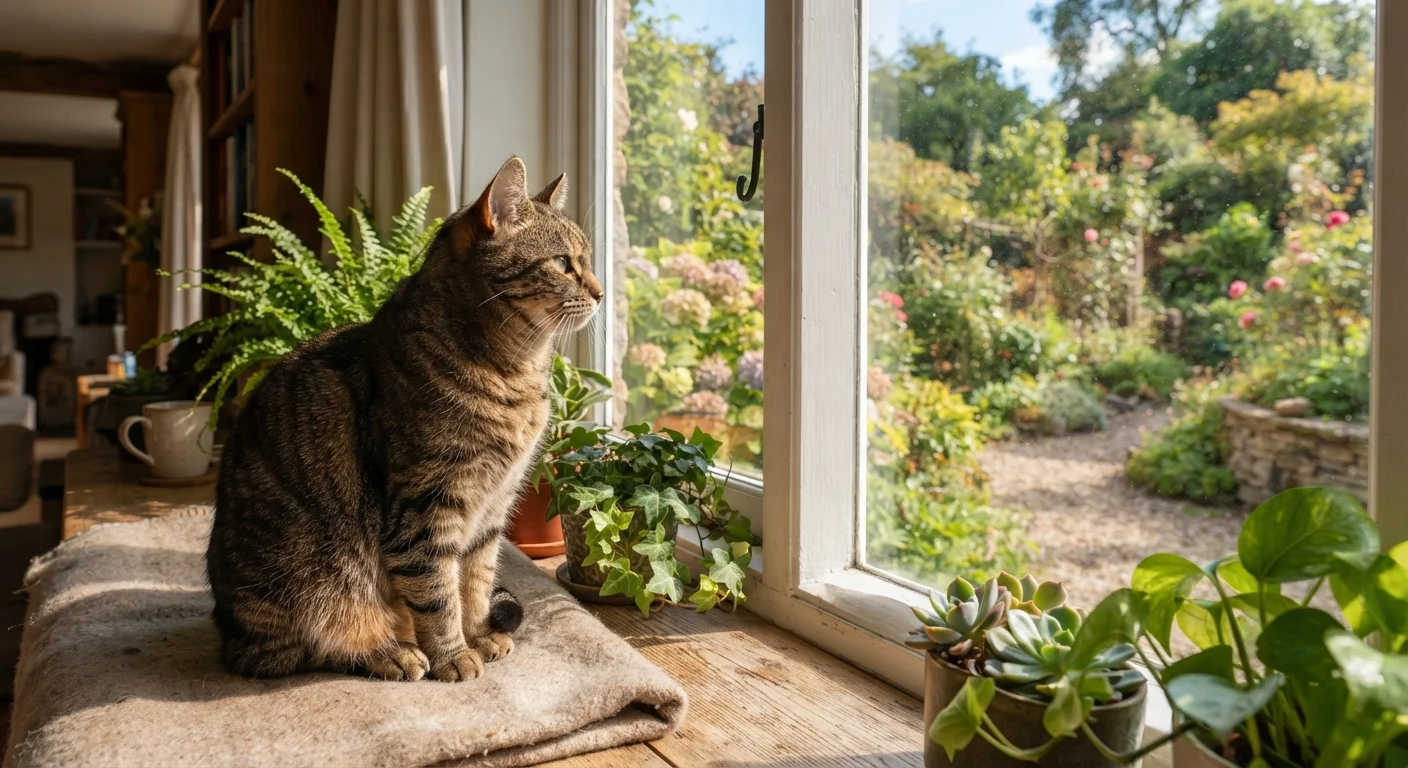
Photo: SaverSteals.com editorial
—— In This Article
Key Takeaways
- Indoor cats generally live longer on average due to reduced exposure to hazards like traffic and predators.
- Outdoor access offers real behavioral and psychological benefits, including stimulation and territory expression.
- A supervised or contained outdoor setup can offer a meaningful middle ground for many cats.
- Your cat's individual temperament, health status, and local environment should guide your decision.
- Whichever lifestyle you choose, enrichment and veterinary care remain non-negotiable.
Significantly reduced exposure to traffic and accidents
Roads are among the leading causes of injury and death in outdoor cats. Keeping cats inside eliminates this risk almost entirely, especially in urban and suburban settings.
Lower risk of infectious disease transmission
Diseases like FIV, FeLV, and upper respiratory infections spread through contact with other cats — contact that indoor cats largely avoid.
Protection from predators and parasites
Indoor cats are far less exposed to fleas, ticks, intestinal parasites, and wildlife threats such as coyotes or birds of prey.
Longer average lifespan
Veterinary sources generally cite that indoor cats live longer on average than outdoor cats, largely due to reduced exposure to cumulative hazards.
No risk of getting lost, stolen, or displaced
Cats that roam freely can wander out of familiar territory, get trapped, or be taken in by others — risks that don't apply to indoor-only cats.
Reduced behavioral and sensory stimulation
Outdoor environments provide complex sensory input — smells, sounds, and unpredictable movement — that indoor settings can only partially replicate. Cats deprived of this may become bored or anxious.
Higher risk of infectious disease from other cats
FIV and FeLV spread primarily through bites and close contact with infected cats, making unsupervised outdoor roaming a meaningful health risk.
Significant threat of traffic-related injury or death
Outdoor cats in urban and suburban areas face road hazards daily, particularly at night when visibility is low and traffic patterns unpredictable.
Ecological impact on local wildlife
Research consistently identifies free-roaming cats as a substantial source of bird and small mammal mortality, a consideration that extends beyond individual cat welfare.
Exposure to toxins and environmental hazards
Outdoor cats may ingest pesticides, antifreeze, toxic plants, or improperly discarded food — hazards that are nearly impossible to control outside the home.
Why This Question Is Harder Than It Looks
Ask ten cat owners whether cats should live indoors or outdoors, and you'll get ten passionate answers. The debate cuts across culture, geography, and deeply held beliefs about animal freedom versus safety. In the United States, veterinary organizations broadly advocate for keeping cats indoors, but the conversation is more nuanced than any single recommendation captures.
Your cat's lifestyle affects everything from lifespan and disease exposure to mental stimulation and behavioral expression. Understanding the actual trade-offs — rather than leaning on habit or assumption — helps you make a genuinely informed choice. For a broader look at behavior myths that often shape these decisions, see common misconceptions about cat behavior.
The Case for Keeping Cats Indoors
Indoor cats are, on average, shielded from a wide range of hazards that outdoor life brings. Traffic, predators, toxic plants, disease exposure from other animals, and the risk of getting lost or stolen are all significantly reduced within a home environment. Many veterinarians point to these risks as the primary reason they recommend indoor living.
Significantly reduced exposure to traffic and accidents
Roads are among the leading causes of injury and death in outdoor cats. Keeping cats inside eliminates this risk almost entirely, especially in urban and suburban settings.
Lower risk of infectious disease transmission
Diseases like FIV, FeLV, and upper respiratory infections spread through contact with other cats — contact that indoor cats largely avoid.
Protection from predators and parasites
Indoor cats are far less exposed to fleas, ticks, intestinal parasites, and wildlife threats such as coyotes or birds of prey.
Longer average lifespan
Veterinary sources generally cite that indoor cats live longer on average than outdoor cats, largely due to reduced exposure to cumulative hazards.
No risk of getting lost, stolen, or displaced
Cats that roam freely can wander out of familiar territory, get trapped, or be taken in by others — risks that don't apply to indoor-only cats.
That said, keeping a cat indoors isn't automatically enriching. A cat confined to a small, unstimulating space may develop stress-related behaviors — over-grooming, aggression, or inappropriate elimination. Indoor enrichment requires active effort: vertical space, interactive toys, window perches, and social engagement all make a meaningful difference. Visit our pet care and training hub for practical ideas on building a stimulating indoor environment.
The Case for Outdoor Access
Cats evolved as hunters, and outdoor environments offer sensory richness that no living room can fully replicate — shifting smells, unpredictable prey, varied terrain, and genuine territory to patrol. For cats with strong prey drives or high activity needs, outdoor time can meaningfully reduce restlessness and stress.
Reduced behavioral and sensory stimulation
Outdoor environments provide complex sensory input — smells, sounds, and unpredictable movement — that indoor settings can only partially replicate. Cats deprived of this may become bored or anxious.
Higher risk of infectious disease from other cats
FIV and FeLV spread primarily through bites and close contact with infected cats, making unsupervised outdoor roaming a meaningful health risk.
Significant threat of traffic-related injury or death
Outdoor cats in urban and suburban areas face road hazards daily, particularly at night when visibility is low and traffic patterns unpredictable.
Ecological impact on local wildlife
Research consistently identifies free-roaming cats as a substantial source of bird and small mammal mortality, a consideration that extends beyond individual cat welfare.
Exposure to toxins and environmental hazards
Outdoor cats may ingest pesticides, antifreeze, toxic plants, or improperly discarded food — hazards that are nearly impossible to control outside the home.
Outdoor access does, however, come with documented risks. Feline leukemia virus (FeLV), feline immunodeficiency virus (FIV), parasites, and injuries from fights are all more common in outdoor cats. There's also the well-documented ecological concern: domestic cats are a significant source of predation pressure on wild bird and small mammal populations, a factor worth considering alongside your cat's individual needs.
10–15 yrs
Average indoor cat lifespan
Veterinary sources broadly estimate indoor cats live 10–15 years, compared to significantly shorter averages for outdoor cats due to accumulated environmental risks.
~1.3–4B
Birds killed by cats annually in the U.S.
A widely cited study published in Nature Communications estimated that free-ranging domestic cats kill between 1.3 and 4 billion birds per year in the contiguous United States.
The Middle Path: Supervised and Contained Outdoor Time
A growing number of cat owners are finding workable middle ground through leash walks, enclosed catios (outdoor cat enclosures), or secure garden setups. These approaches allow cats to experience outdoor stimulation — fresh air, natural light, sights, and smells — while dramatically reducing exposure to the hazards that concern veterinarians.
What Is a Catio?
A catio is an enclosed outdoor structure — ranging from a small window box to a large walk-in enclosure — that allows cats to experience fresh air and outdoor stimulation without roaming freely. They can be purchased as kits or built custom to fit a patio, balcony, or yard. Many cat owners and veterinarians consider them one of the most effective compromises in the indoor-outdoor debate, though construction costs and available space vary considerably.
This approach isn't effortless. Catios require initial investment, and harness training takes patience and consistency. Not every cat takes to leash walking, and some simply have no interest in outdoor exploration. Understanding your cat's individual temperament is key — reading your cat's body language can help you gauge how they're responding to new experiences.
Factors That Should Shape Your Decision
No lifestyle label is right for every cat. Several practical factors deserve honest consideration:
- Age and health: Senior cats, immunocompromised cats, or those with chronic conditions often do better with controlled indoor environments where risks are minimized. Always involve your veterinarian in these decisions.
- Temperament: Some cats are calm, content indoor dwellers. Others become visibly distressed without outdoor stimulation. Neither is a character flaw — it's a spectrum.
- Local environment: Dense urban areas with heavy traffic pose very different risks than quiet rural properties with low road exposure.
- Predator pressure: Coyotes, foxes, and birds of prey are realistic threats in many parts of the country, particularly at dawn and dusk.
If you share your home with multiple pets, their dynamics can also influence how much space and freedom each animal comfortably has. Our guide to multi-pet households covers how territory and cohabitation affect daily life.
This article provides general information for educational purposes and is not a substitute for personalized veterinary advice. Please consult a licensed veterinarian regarding decisions about your cat's health and lifestyle.

Pets Editorial Team
Pets Editorial Team is the collective byline for our editorial team and contributor network. Articles published under this byline or an editorial pen name are researched, written, and reviewed according to our editorial standards for clarity, consistency, and independence before publication.
View author profile