
Bringing a Second Pet Home Without Derailing the First
A step-by-step approach to introducing a new dog or cat into a household that already has a resident pet, minimizing conflict and fear.
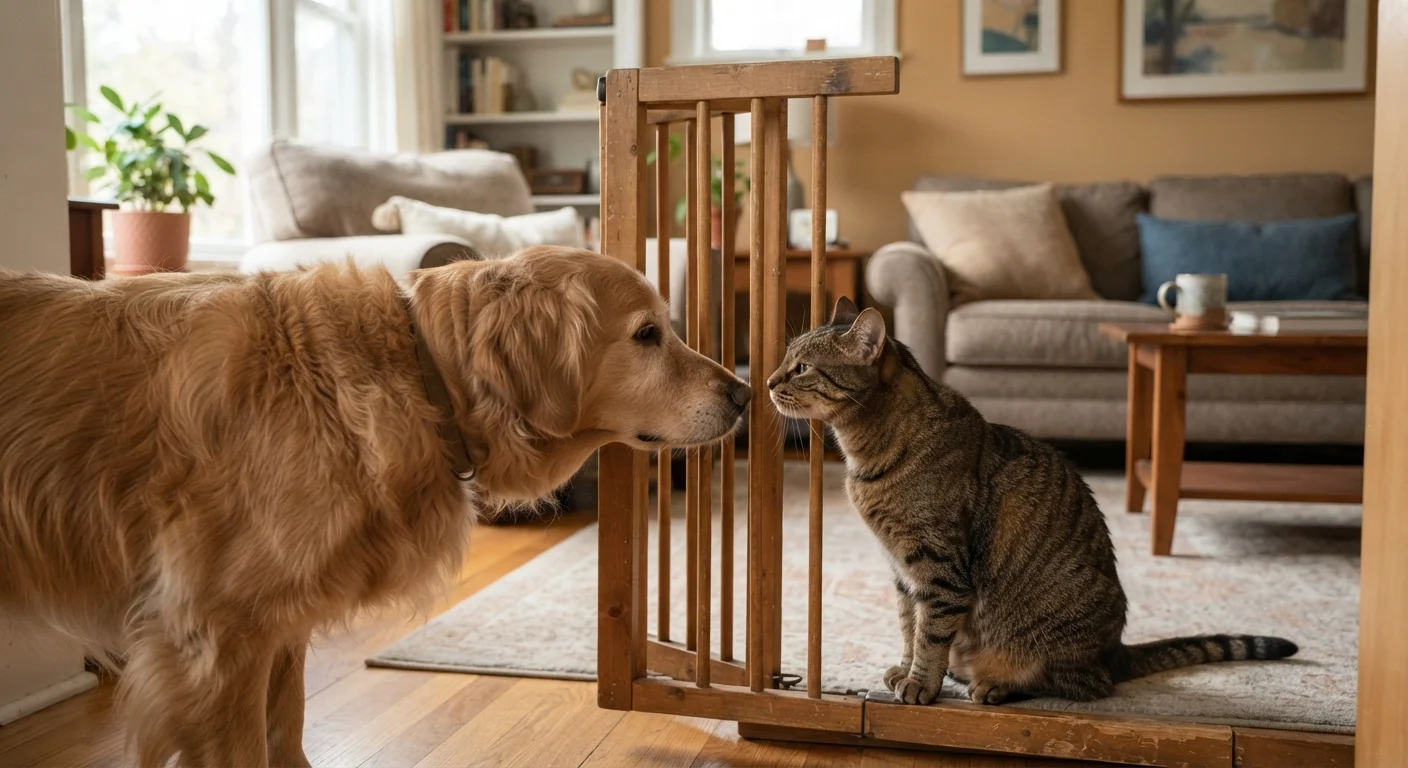
Photo: SaverSteals.com editorial
—— In This Article
Key Takeaways
- Keep the new pet in a separate room for the first few days before any direct contact.
- Allow scent swapping before face-to-face introductions to reduce stress for both animals.
- Never force an interaction — let each animal set the pace.
- Maintain your resident pet's established routines throughout the transition.
- Signs of fear or aggression mean slowing down, not pushing through.
Why the Introduction Process Matters So Much
Bringing a second pet home is rarely as simple as opening the front door and letting the animals figure it out. Your resident pet has built a sense of routine, territory, and security inside your home — and a newcomer disrupts all three at once. How you manage those first days and weeks largely determines whether the two animals develop a tolerant, comfortable relationship or a tense, conflict-prone one.
The process that works is slower than most people expect. Animal behavior research consistently supports gradual, multi-stage introductions over immediate shared access. This is true whether you're introducing two dogs, two cats, or a dog and a cat. For mixed-species households, our article on cats and dogs under one roof covers the extra nuances involved.
Being patient during introductions also protects your resident pet's wellbeing. Stress-related behavior changes — such as increased hiding, loss of appetite, or house-training regression — are common when transitions are rushed. Maintaining your resident animal's existing schedule for feeding, walks, and play throughout this period helps signal to them that their place in your home is secure.
What you will need
Step-by-Step Introduction Guide
The following steps apply broadly to dogs and cats, though the exact pacing will vary by species and individual temperament. Move through each stage only when both animals are showing relaxed, neutral responses — not on a fixed calendar schedule.
Baby gate or exercise pen
Creates a physical barrier that allows animals to see and smell each other safely without direct contact.
Separate feeding stations
Prevents resource guarding by keeping food and water bowls in distinct areas for each pet.
Soft bedding or worn clothing
Used for scent swapping so each animal can grow familiar with the other's smell before meeting.
High-value treats
Reinforces calm, positive behavior during introductions through reward-based conditioning.
Calming pheromone diffuser
Species-specific synthetic pheromone products may help reduce anxiety during transitions; consult your vet for guidance.
Prepare before the new pet arrives
Set up a dedicated room for the new arrival before bringing them home — complete with bedding, food, water, a litter box (for cats), and a place to hide. This space should be off-limits to the resident pet. Taking care of these logistics in advance, as outlined in our new pet preparation checklist, reduces chaos and gives both animals a calmer start.
Let the new pet settle into their sanctuary space
For the first two to four days, keep the new pet confined to their room. Avoid introducing any direct contact during this period. Allow them to eat, rest, and explore their small territory without the added pressure of a stranger nearby. This settling-in window is especially important for cats, who are strongly territorial, but dogs benefit from it too.
Swap scents before any visual contact
Place a piece of the new pet's bedding near the resident pet's sleeping area, and vice versa. You can also rub a cloth on one animal and leave it near the other's food bowl so they associate the unfamiliar smell with something positive. Repeat this for several days until both animals seem relaxed around the scent items rather than alert or agitated.
Introduce them through a barrier
Once scent swapping has gone smoothly, allow the animals to see and smell each other through a cracked door or baby gate. Keep sessions short — two to three minutes — and reward calm behavior on both sides with high-value treats. End each session on a positive or neutral note, before any tension develops.
Allow supervised, loose interactions in a shared space
When both animals appear relaxed during gate sessions, allow them into a shared space together — with you present and the option to retreat freely. Keep the new pet on a loose leash if they are a dog. Do not hold either animal still or force them toward each other. Let curiosity guide the interaction and keep the first sessions brief, ending before either animal becomes overstimulated.
Gradually expand shared time and space
Increase the length and frequency of supervised together-time over the following one to three weeks, watching closely for relaxed body language — loose posture, soft eyes, mutual sniffing, or simply ignoring each other. As comfort grows, you can reduce active supervision while still keeping feeding, sleeping, and high-value toy access separate. For a detailed week-by-week view of what to expect during this adjustment window, see our guide on the first two weeks with a new pet.
Avoid Rushing Face-to-Face Meetings
Forcing animals to share the same space before they are ready is one of the most common mistakes in multi-pet introductions. A single bad encounter early on can set back trust-building by weeks. When in doubt, add more time to each stage rather than skipping ahead.
Keep Feeding Stations Separate
Even after a successful introduction, feeding pets in separate areas eliminates a major source of resource guarding and tension. This simple habit protects the relationship you have worked hard to build and reduces mealtime anxiety for both animals.
When to Involve Your Veterinarian
If either animal shows prolonged hiding, refusal to eat, repeated aggression, or signs of illness during the transition, contact your veterinarian. Stress can suppress immune function and worsen underlying health conditions. A vet behaviorist or certified applied animal behaviorist can also help when introductions stall or escalate.
For a broader look at what life in a multi-pet household actually involves beyond the introduction phase, our guide to multi-pet households covers feeding arrangements, territory management, and longer-term expectations.
This article is for general informational purposes only and is not a substitute for professional veterinary or behavioral advice. If you have concerns about your pet's health or behavior during any transition, consult a licensed veterinarian or certified animal behaviorist.

Pets Editorial Team
Pets Editorial Team is the collective byline for our editorial team and contributor network. Articles published under this byline or an editorial pen name are researched, written, and reviewed according to our editorial standards for clarity, consistency, and independence before publication.
View author profile